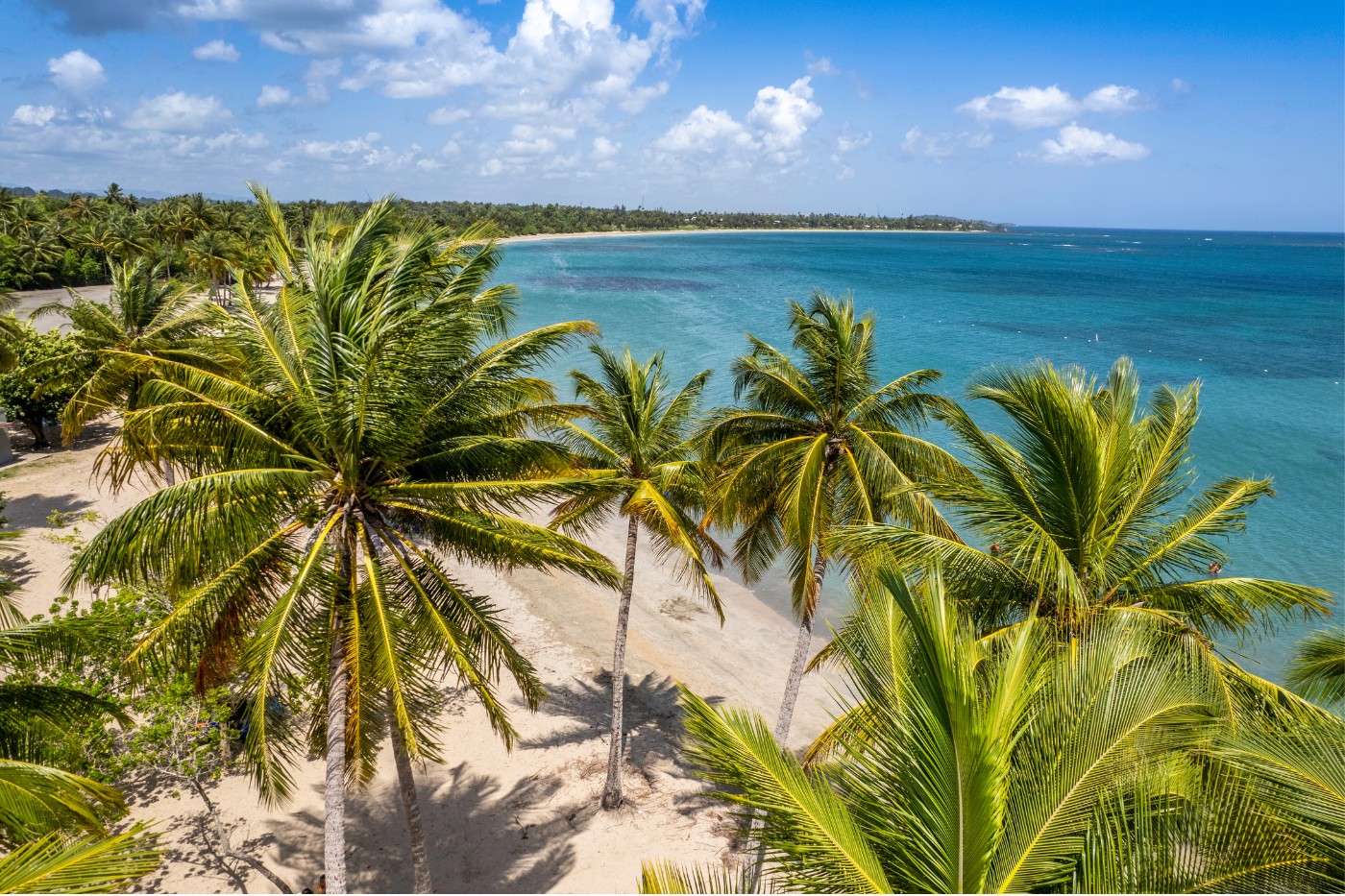
Yes, both U.S. citizens and foreigners can buy luxury real estate in Puerto Rico with full ownership rights. U.S. citizens purchase property with domestic ease—no passports or visas required for transactions or ownership. Foreigners enjoy the same freehold ownership rights as U.S. citizens but must navigate federal visa laws for extended residency beyond tourist stays.
The distinction lies between buying rights, which remain open to all nationalities, and staying rights, which depend on visa status for non-U.S. citizens. In this article, we clarify the legal landscape and tax implications for international and mainland buyers considering Puerto Rico's luxury real estate market.
Key Takeaways
- Both U.S. citizens and foreign nationals can buy luxury real estate in Puerto Rico with full fee simple ownership rights, including the ability to sell, lease, and inherit property.
- Buying property does not provide visa or residency benefits, so non-U.S. citizens must still follow federal immigration rules for long stays.
- Puerto Rico’s Registry of Property and standardized closing process help protect buyers through recorded ownership, title checks, and legally validated transfers.
- Act 60 can offer major tax incentives for qualifying new residents, but eligibility depends on bona fide residency requirements and proper compliance planning.
Who Can Buy and What Rights Do They Have?

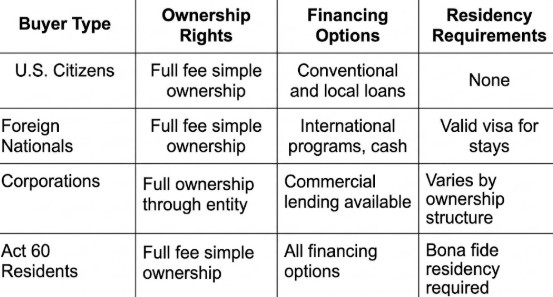
Puerto Rico property laws treat all buyers equally, allowing both U.S. citizens and foreign nationals to acquire fee simple ownership with full rights to sell, lease, and inherit real estate. While U.S. citizens transact domestically, international buyers enjoy the same robust legal protections regarding title and asset control without needing special government permits.
Ownership Structures and Protections
Foreign buyers receive comprehensive rights under Puerto Rico's legal framework, which is backed by the U.S. federal court system. Key protections include:
- Fee Simple Title: Full ownership of the land and improvements, recorded in the Property Registry.
- Entity Formation: The ability to purchase property through corporations or LLCs for liability protection and estate planning.
- Secure Transfer: A standardized closing process involving title studies and notary validation to ensure clear ownership.
Residency vs. Ownership
It is critical to distinguish between property rights and immigration status.
- No Visa Benefits: Purchasing real estate does not grant foreign nationals U.S. residency or visa privileges; federal immigration laws still apply.
Puerto Rico's Legal Framework for Real Estate
Puerto Rico operates under a hybrid legal system combining Spanish civil law for property matters and U.S. federal law for constitutional protections. This unique framework provides robust property rights while maintaining familiar legal protections for U.S. and international buyers. Property transactions follow established protocols that protect all parties through title insurance, escrow services, and legal documentation requirements.
The territorial government maintains its own property registry system and local regulations. Buyers benefit from standardized closing procedures and transparent ownership records.
Title and Registration Process
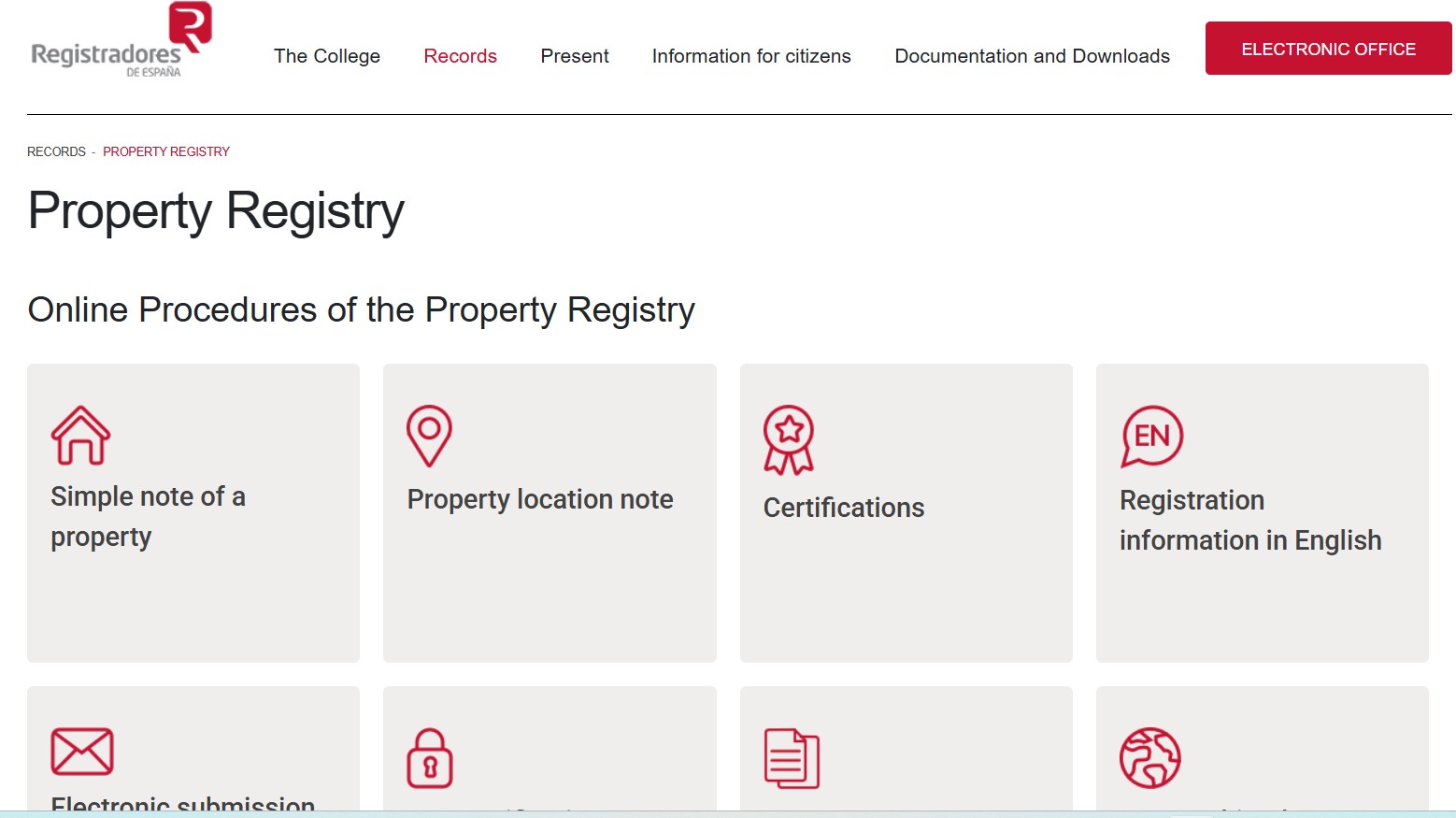
Puerto Rico records and protects real estate ownership through the Registry of Property (Registro de la Propiedad), a civil-law style property registry that provides public, government-recorded evidence of ownership and encumbrances and supports strong legal protections for registered rights. The Property Registry (Registro de la Propiedad) maintains official ownership documentation and ensures clear title transfers. This system offers stronger protections than many mainland U.S. jurisdictions.
Title searches typically reveal any liens, encumbrances, or ownership disputes before closing. Comprehensive title insurance is highly advisable for all luxury property transactions to safeguard against unforeseen ownership defects.
Financing and Banking Regulations
Both local Puerto Rico banks and mainland U.S. lenders provide financing options for qualified buyers. U.S. citizens often secure conventional mortgages through their existing banking relationships or local institutions. Foreign nationals may face additional documentation requirements but can obtain financing through specialized international lending programs.
Cash purchases remain common in the luxury market, particularly among international buyers seeking privacy and expedited closings. Christie's International Real Estate Puerto Rico works with preferred lenders who understand the unique aspects of island real estate financing.
Tax considerations play a significant role in luxury real estate decisions for both domestic and international buyers.
Tax Implications and Incentives
Puerto Rico offers unique tax advantages that attract both mainland U.S. citizens and foreign investors to its luxury real estate market. The island's tax structure operates independently from mainland U.S. tax law while remaining subject to federal oversight. US citizen buying house Puerto Rico can benefit from these local tax advantages without losing their federal tax obligations.
Property taxes remain significantly lower than most mainland markets, with luxury properties typically assessed at favorable rates.
- While statutory tax rates are approximately 8-12%, they are applied to 1957 property values. This results in an effective tax rate that is often below 0.5% of the current market purchase price.
Act 60 Tax Incentive Program
Act 60 provides substantial tax benefits for new Puerto Rico residents, including:
- 4% corporate tax rate for eligible businesses.
- 0% tax on capital gains for new residents.
- Significant reductions in dividend and interest income taxes.
- 100% exemption on certain investment income.
The program requires bona fide Puerto Rico residency, meaning participants must spend at least 183 days per year on the island. Property ownership often supports residency requirements but does not automatically qualify buyers for Act 60 benefits.
Federal Tax Considerations
U.S. citizens remain subject to federal income tax regardless of Puerto Rico residency status. Foreign nationals may face U.S. tax obligations on rental income or capital gains from Puerto Rico property sales. Estate planning considerations become particularly important for international buyers given the intersection of U.S. and foreign tax laws.
Consulting with tax professionals familiar with Puerto Rico’s specific regulations is essential before finalizing significant real estate investments. The potential savings often justify the complexity of proper tax planning.
Practical Considerations for Buyers

Luxury real estate transactions in Puerto Rico require careful attention to local market conditions and regulatory requirements. Residency requirements Puerto Rico real estate purchases involve understanding both immediate transaction needs and long-term ownership goals. International buyers often benefit from establishing relationships with local professionals including attorneys, accountants, and property managers before completing purchases.
Market timing and property selection significantly impact investment returns and personal satisfaction. Experienced local agents can assist buyers with neighborhood selection, property condition assessments, and market valuation analysis.
Due Diligence Requirements
Comprehensive property inspections become essential given Puerto Rico's tropical climate and hurricane exposure. Buyers should evaluate:
- Structural integrity and hurricane resistance.
- Electrical and plumbing systems compliance with local codes.
- Environmental assessments for coastal properties.
- HOA or community association financial health.
- Zoning compliance and future development restrictions.
Professional Service Networks
Successful luxury purchases require coordinated professional support including local attorneys specializing in real estate law, certified public accountants familiar with Puerto Rico tax regulations, and experienced property managers for ongoing maintenance. Christie's International Real Estate Puerto Rico maintains relationships with vetted professionals who understand the unique aspects of luxury property transactions.
Language considerations may affect some aspects of the transaction process. While English remains widely spoken in business settings, some legal documents and government interactions occur in Spanish.
Timeline and Closing Process
Typical luxury property closings require 30-60 days from contract execution to final closing. This timeline allows for proper due diligence, financing approval, and document preparation. Cash transactions may close more quickly, often within 15-30 days.
Buying property in Puerto Rico as a non-resident follows the same timeline as domestic purchases. Remote closing options exist for buyers who cannot travel to the island for final document execution.
Popular Luxury Locations
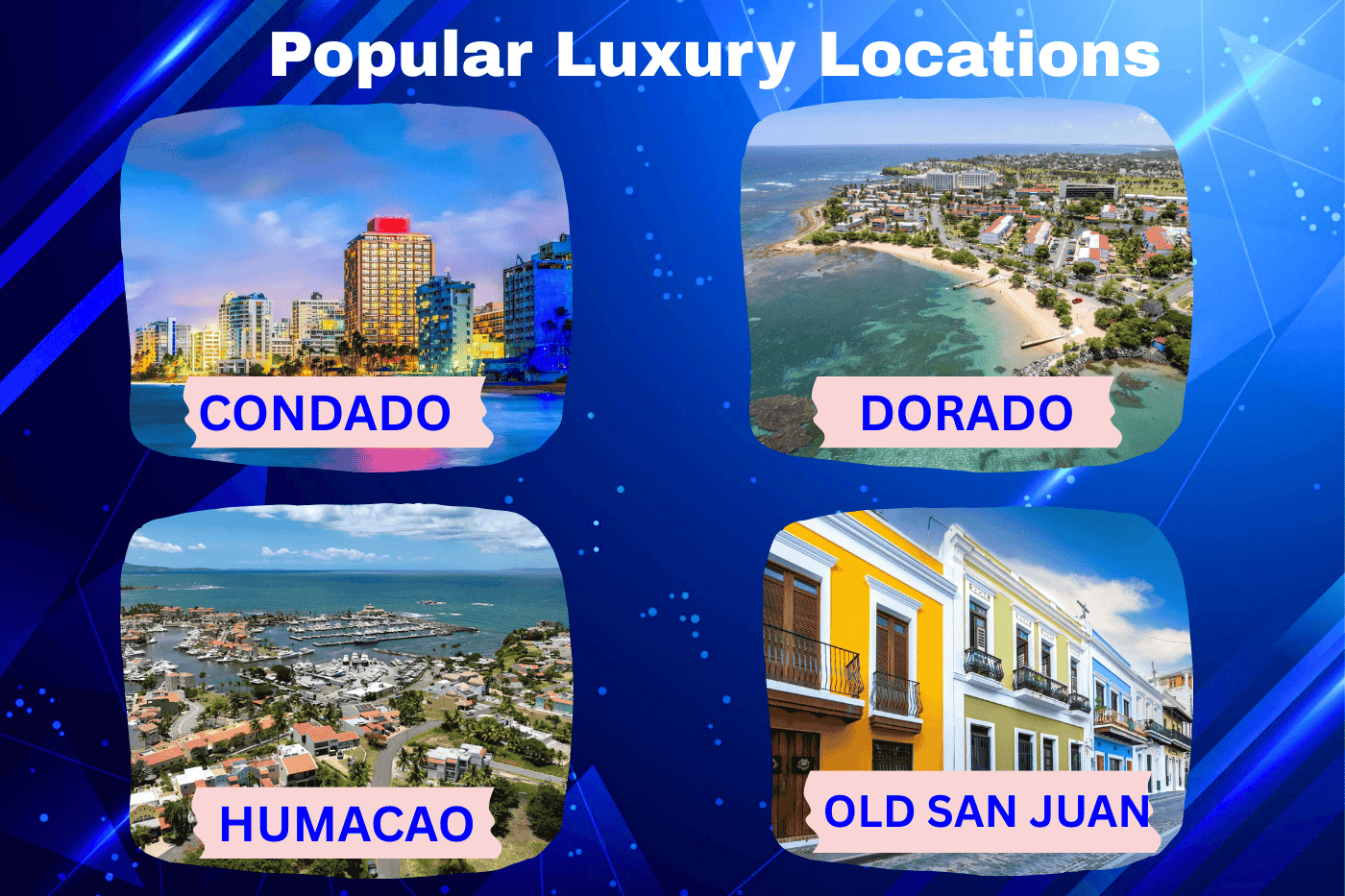
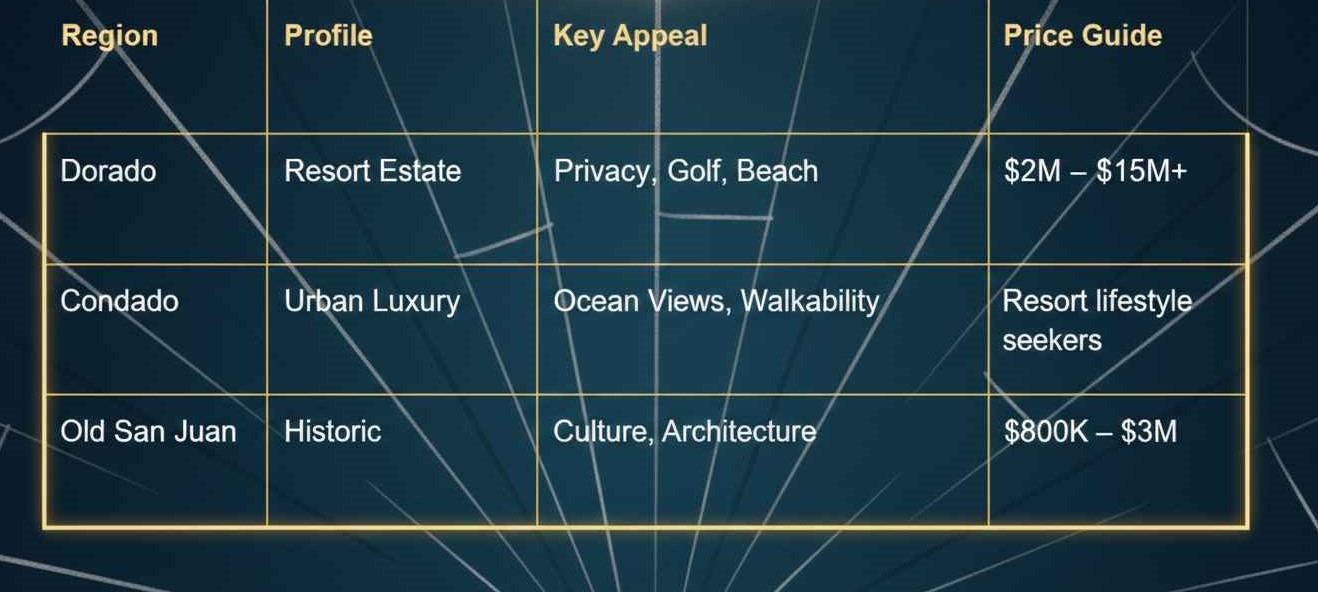
Selecting the right location drives both lifestyle satisfaction and investment performance in Puerto Rico. The luxury market is distinctly segmented between private resort-style enclaves and high-energy urban districts, each offering unique benefits for primary residents and investors.
Resort and Golf Communities
- Dorado: Represents the apex of the luxury market, attracting families and high-net-worth investors seeking maximum privacy. The area features championship golf courses, exclusive beach access, and expansive estates that frequently trade above $15 million.
- Humacao: Serves as a prime alternative for boaters and golfers, offering robust resort amenities and deep-water marina access at more competitive price points compared to the metro area.
Urban and Historic Centers
- Condado: Often compared to Miami Beach, this district offers a cosmopolitan lifestyle with modern high-rise condominiums, top-tier dining, and immediate walkability to beaches and international schools.
- Old San Juan: Appeals to culture-focused buyers desiring restored colonial architecture within a UNESCO World Heritage site. These properties often command strong demand for short-term vacation rentals due to their historic significance.
Market Snapshot
Puerto Rico Luxury Properties for Sale
Christie's International Real Estate Puerto Rico represents the finest luxury properties for sale across the island's most prestigious markets. Our curated portfolio includes exclusive beachfront estates, historic colonial properties, and modern luxury condominiums that meet the exacting standards of discerning international and domestic buyers. We provide comprehensive market knowledge and personalized service to guide clients through every aspect of luxury property acquisition in Puerto Rico.

200 DORADO BEACH DR #3 DORADO PR, 00646
This 5-bedroom, 7-bath, single-story residence spans 5,611 sq ft and sits within Dorado Beach’s East Beach enclave, with high ceilings, stone counters, and a wet bar among its interior highlights. Outside, it pairs an in-ground infinity pool with garden/golf-course views plus a 3-car (and golf-cart) garage, inside a gated community offering amenities like golf, tennis, pool, fitness, trails, and security.

URB. LA LOMITA CALLE VISTA LINDA GUAYNABO PR, 00969
The Hilltop Residence is a custom tropical modern estate in Guaynabo offering 11,602 square feet of indoor-outdoor living, panoramic city views, expansive terraces, an infinity pool, and full backup systems.
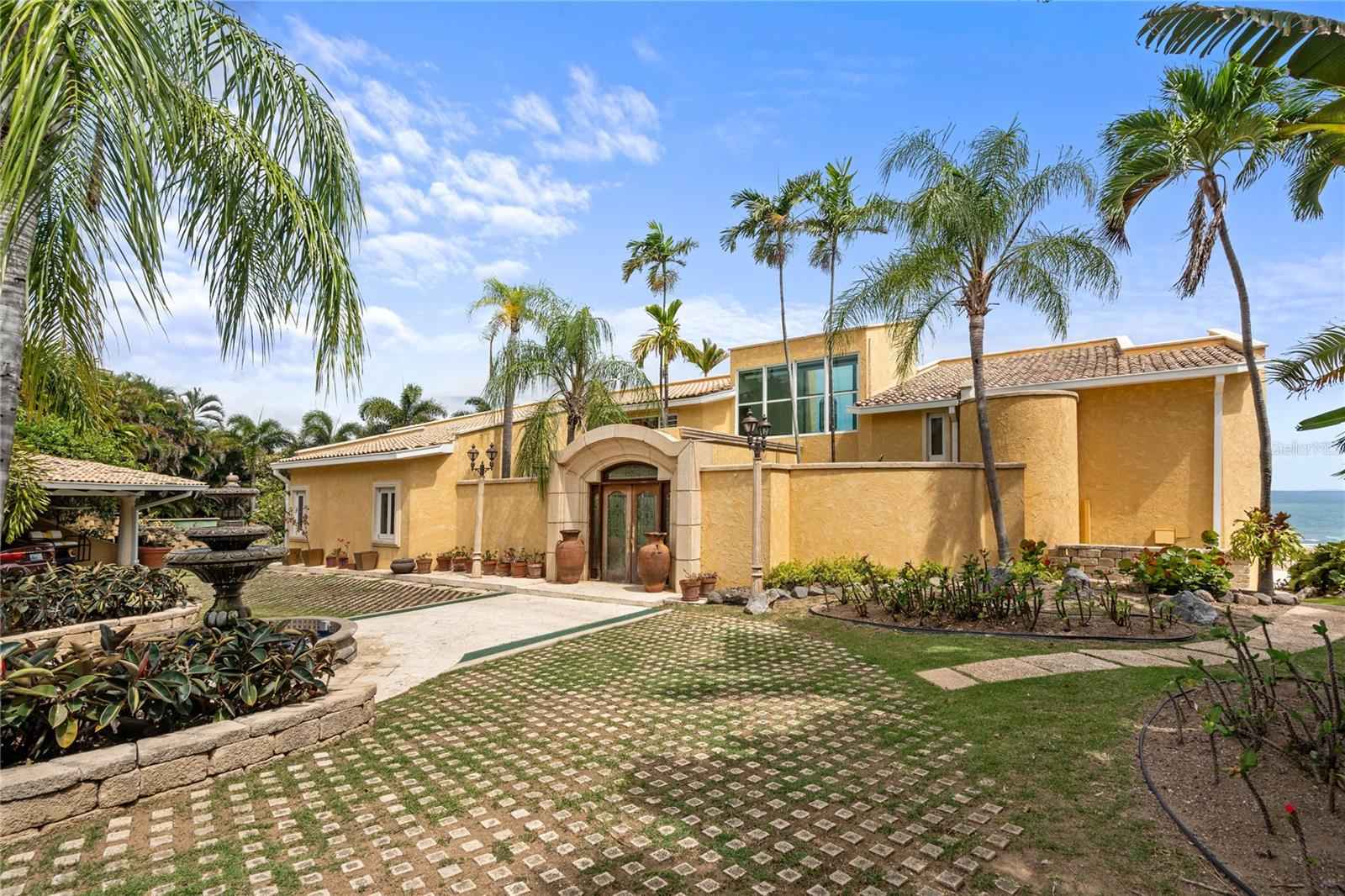
10 RIDGETOP HUMACAO PR, 00791
This historic 6,370-square-foot Palmas del Mar estate offers six bedrooms, sweeping ocean and mountain views, Mediterranean-inspired architecture, expansive indoor-outdoor living, a resort-style pool area, and the distinction of having been built as developer Charles Fraser’s personal residence.

2200 CACIQUE ST SAN JUAN PR, 00913
Located in San Juan’s gated Santa Teresita enclave, this five-bedroom en suite residence features marble floors, double-height living spaces, a private pool, covered terraces, a generator and cistern, all minutes from the beach, Ocean Park, Condado and Old San Juan.
Final Thoughts
Puerto Rico’s luxury market is accessible to both mainland and international buyers, offering strong ownership rights backed by a reliable legal framework and a well-established title and registration process. The biggest advantage is that the purchase itself is straightforward, but the smartest outcomes come from understanding the difference between ownership and residency, planning for taxes correctly, and completing thorough due diligence—especially for coastal, high-value properties. With the right professional guidance, buyers can secure both lifestyle value and long-term protection in one of the Caribbean’s most distinctive luxury markets.
If you’re ready to buy, sell, or rent out luxury property in Puerto Rico, we’re here to guide you through every step with local expertise and full-service support. At Christie's International Real Estate Puerto Rico, we help you identify the right opportunities, manage due diligence, and navigate closings with confidence. Contact us today so we can help you move forward with the right strategy and the right property.
FAQs
Do I need to be in Puerto Rico to close on a luxury property purchase?
No. Many transactions can be completed via remote closing using notarized documents, couriered originals, and a power of attorney when needed—confirm requirements early with your attorney, lender, and notary.
Are there restrictions on short-term rentals (Airbnb-style) for luxury condos and resort communities?
Sometimes. Rules can come from the condo/HOA bylaws, municipal ordinances, and permitting requirements, so buyers should review governing documents and local regulations before purchasing for rental income.
What insurance should luxury buyers budget for in Puerto Rico?
Plan for property/hazard coverage plus windstorm and flood insurance where applicable; coastal and high-value homes may also need excess liability and specialty coverage, and premiums can vary significantly by location and construction type.



.png)