The luxury home buying process in Puerto Rico follows a distinctive timeline of 30–60 days, with one critical difference from mainland U.S. transactions. Puerto Rico closings center on a notary-attorney and the Property Registry, and buyers may also choose title insurance for added protection. This unique Puerto Rico real estate closing process requires sophisticated coordination between multiple parties to ensure seamless execution.
In this article, we outline the step-by-step acquisition process for luxury estates across the island's most exclusive markets.
Key Takeaways
- Puerto Rico luxury closings are notary-led and registry-based, so your attorney and timeline planning matter from day one.
- The option contract (contrato de opción) sets the rules for your deposit, contingencies, and deadlines—get every protection in writing.
- Due diligence must verify title, permits, zoning, and property condition early to prevent delays and costly surprises at closing.
- Financing, insurance, and ownership structure decisions (individual, LLC, trust) shape both approval speed and long-term risk management.
The Option Contract and Initial Deposit

The Puerto Rico luxury home acquisition begins with the contrato de opción, a binding agreement that grants you exclusive purchase rights for a specified period. Earnest money is commonly about 3–5% (often 5%), but it’s negotiable and contract-specific. Refundability depends on the option contract’s contingencies, deadlines, and default terms—confirm this in writing before signing.
Your transaction attorney drafts this contract to include specific contingencies for financing, inspections, and title clearance. The option period usually extends 30–45 days, providing sufficient time for comprehensive property evaluation while securing your position in competitive luxury markets.
Key Components of the Option Contract
The contrato de opción should clearly spell out the price, deposit, contingencies, and timelines so both parties understand exactly what must happen before closing.
- Purchase price and deposit amount: Clearly defined financial terms with escrow instructions.
- Contingency periods: Specific timeframes for inspections, financing, and due diligence.
- Property description: Legal boundaries, improvements, and included fixtures.
- Closing date: Target completion with provisions for reasonable extensions.
- Default remedies: Consequences for breach by either party.
Deposit Protection and Escrow
Your deposit funds enter an attorney-managed escrow account, providing security while maintaining transaction momentum. The escrow agent, typically your transaction attorney, holds these funds until closing or contract termination. Banks and escrow holders typically require source-of-funds and identity documentation for large wires, especially for international buyers—confirm requirements with your bank and closing attorney early.
Due Diligence and Property Investigation

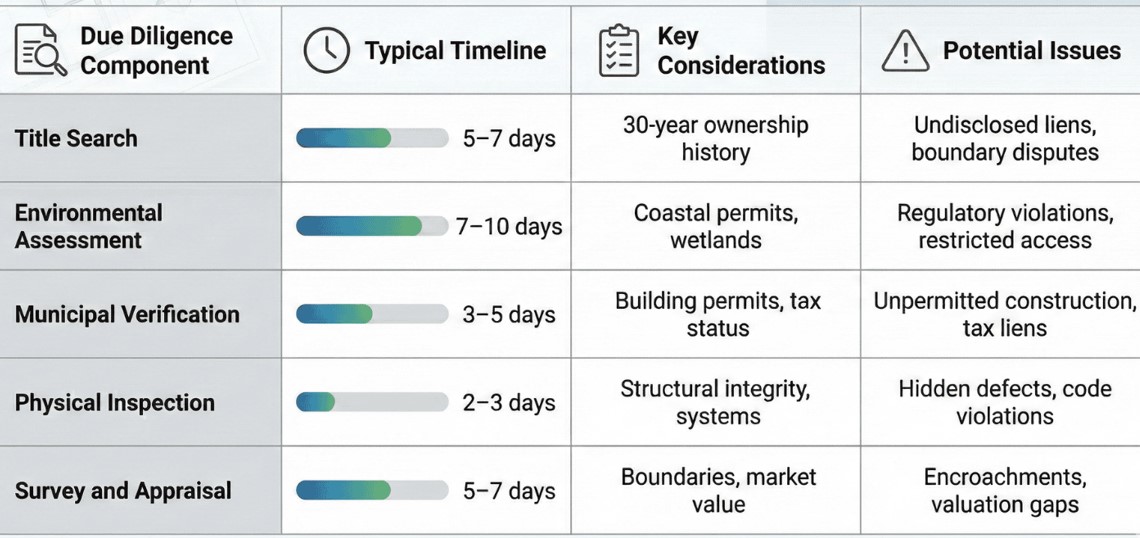
Due diligence Puerto Rico real estate encompasses multiple specialized investigations that differ significantly from mainland procedures. Your transaction team conducts comprehensive title searches through the Property Registry, environmental assessments, and municipal permit verification. This phase typically requires 15–20 days for luxury properties with complex ownership histories or beachfront locations.
The investigation process reveals potential issues before they become costly problems at closing. Your attorney coordinates with surveyors, environmental consultants, and municipal offices to compile a complete property profile.
Title and Legal Verification
Comprehensive due diligence ensuring property ownership, legal compliance, environmental clearance, and utility access verification.
- Property Registry search: 30-year title history with lien and encumbrance verification.
- Municipal compliance: Building permits, zoning conformity, and tax status.
- Environmental clearance: Coastal zone permits and ecological assessments.
- Utility verification: Water, power, and telecommunications access rights.
Physical Property Assessment
Thorough evaluation of a property's physical condition, boundaries, and market value to ensure structural integrity and financial accuracy.
- Structural inspection: Foundation, roofing, and mechanical systems evaluation.
- Boundary survey: Legal property lines and easement identification.
- Appraisal coordination: Market value confirmation for financing purposes.
Financing and Documentation Preparation

Luxury property financing in Puerto Rico often involves jumbo loans or specialized lending products that require sophisticated underwriting. Local banks like Banco Popular and Oriental Bank maintain dedicated private banking divisions for high-net-worth clients, while mainland lenders may require additional documentation for island properties. Your financing timeline typically spans 20–30 days, depending on loan complexity and documentation requirements.
International buyers frequently utilize asset-based lending or portfolio loans that consider global wealth rather than traditional income verification. These financing structures accommodate the unique needs of Act 60 beneficiaries and other high-net-worth relocators.
Documentation Requirements for Luxury Financing
Essential documentation to validate financial capacity, legal structure, property valuation, and risk coverage for luxury financing approval.
- Financial statements: Personal and entity-level wealth verification.
- Source of funds documentation: Wire transfer origins and legitimacy proof.
- Property appraisal: Licensed Puerto Rico appraiser evaluation.
- Insurance commitment: Windstorm and flood coverage confirmation.
- Legal entity formation: LLC or corporation setup for ownership structure.
The Notary Process and Closing Execution

The notary process Puerto Rico represents the most distinctive aspect of island real estate transactions, requiring a licensed Notary Public to validate all deed transfers. This legal professional, equivalent to a specialized attorney, reviews all transaction documents, verifies party identities, and ensures compliance with Puerto Rico Civil Code requirements. The Notary Public issues the escritura pública (public deed), which serves as the official document of ownership transfer.
Your closing typically occurs at the Notary's office, with all parties present for document execution and fund disbursement. The process requires 2–3 hours for complex luxury transactions, allowing a thorough review of all terms and conditions.
Closing Day Procedures
Final coordinated steps to validate documents, confirm identities, transfer funds, execute deeds, and deliver property access.
- Document review: Final examination of all transaction papers.
- Identity verification: Passport and legal presence confirmation.
- Fund transfer: Wire instructions and disbursement coordination.
- Deed execution: Notarial acknowledgment and signature witnessing.
- Key transfer: Physical possession and access code delivery.
Post-Closing Registry Recording
After signing, the deed is submitted for recordation, and processing time can range from several days to a few weeks (or longer if issues arise). Recording and closing-related charges can be significant. Estimate stamp taxes, registry fees, and notary/attorney fees early, and confirm who pays each item in the contract.
The registry provides certified copies of your deed, which serve as proof of ownership for insurance and financing purposes.
Timeline Considerations and Market Factors

The timeline to close in Puerto Rico varies significantly depending on property complexity, financing structure, and market conditions. Cash deals can sometimes close faster than financed purchases. If financing is involved, underwriting and document requirements may extend the timeline.
- Recent and upcoming Act 60 adjustments have encouraged many high-net-worth buyers to move sooner rather than later, often coordinating property acquisition with their residency and decree timelines.
- Luxury beachfront properties may require extended due diligence periods due to environmental regulations and coastal zone permits.
Your transaction team provides realistic timeline estimates based on specific property characteristics and financing requirements.
Factors Affecting Closing Timeline
Key variables that influence the speed and scheduling of property closings, from legal clearances to seasonal conditions.
- Property type: Beachfront locations require additional environmental clearances.
- Financing complexity: Jumbo loans and international transfers extend processing time.
- Title issues: Ownership disputes or lien resolution may delay closing.
- Municipal approvals: Building permits and zoning confirmations vary by jurisdiction.
- Seasonal factors: Hurricane season and holiday periods may impact scheduling—especially for selling decisions.
Legal and Tax Considerations

Puerto Rico's unique legal framework combines Spanish Civil Law traditions with U.S. federal oversight, creating specific requirements for luxury property ownership. Your transaction attorney navigates these complexities while ensuring compliance with both local regulations and federal reporting requirements. Tax planning becomes particularly important for high-value acquisitions, especially considering Act 60 benefits and estate planning implications.
International buyers must understand FBAR reporting requirements and potential tax treaty benefits. Your legal team coordinates with tax advisors to structure ownership in the most advantageous manner for your specific situation.
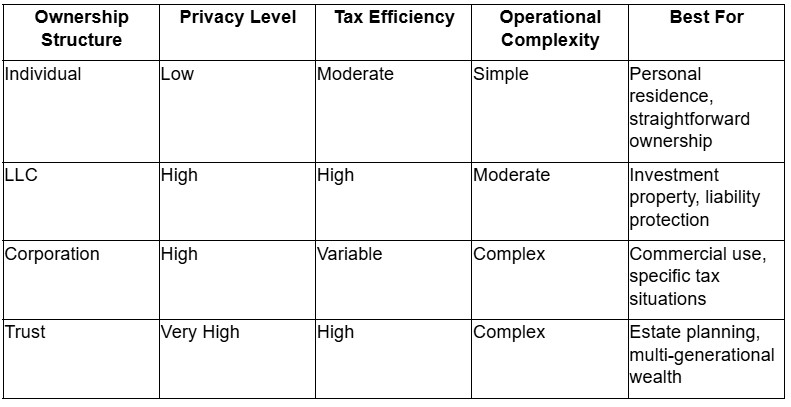
Ownership Structure Options
- Individual ownership: Direct personal title with full control and liability.
- LLC ownership: Limited liability protection with operational flexibility.
- Corporate ownership: Tax benefits for certain investor profiles.
- Trust ownership: Estate planning advantages and privacy protection.
Tax Implications
- Transfer taxes: 1.5% of the purchase price for properties over $100,000.
- Property taxes: Annual assessments based on municipal valuations.
- Act 60 benefits: Potential tax advantages for qualified residents.
- Federal reporting: FBAR and other U.S. compliance requirements.
Puerto Rico Luxury Properties for Sale
Christie's International Real Estate Puerto Rico offers exclusive access to the island's most prestigious luxury properties for sale, from historic Old San Juan mansions to contemporary Dorado Beach estates. Our curated portfolio spans the entire island, featuring exceptional beachfront properties, mountain retreats, and urban penthouses that meet the exacting standards of discerning buyers. We guide clients through every aspect of the luxury home buying process, ensuring seamless transactions from initial viewing to final closing.

2021 CALLE ITALIA, SAN JUAN, PR 00911
This rare Ocean Park beachfront lot on Calle Italia offers 8,500 sq. ft., stunning views, direct access, and shovel-ready plans.

266 SAN FRANCISCO #266, SAN JUAN, PR 00901
This iconic six-story 1925 landmark in Old San Juan offers 12,350 sq. ft., historic charm, rental income, and prime investment potential.

3 LA QUINTA MELONES BEACH BARRIO FLAMENCO, CULEBRA, PR 00775
Villa Navillus Sur in Culebra offers panoramic Caribbean views, luxury living, and direct access to pristine beaches.

Carr. 115 KM 11.4 INT SECTOR JULIO SOTO, RINCON, PR 00677
This four-story Rincón estate offers panoramic ocean views, 12 bedrooms, boutique inn potential, and luxury coastal living.
Securing Your Puerto Rico Luxury Investment
The luxury home buying process in Puerto Rico requires sophisticated coordination between legal, financial, and real estate professionals who understand the island's unique requirements. Success depends on working with experienced local experts who can navigate the notary-based closing system while protecting your interests throughout the transaction. Your investment in Puerto Rico luxury real estate represents not just a property acquisition, but entry into one of the Caribbean's most exclusive and tax-advantaged markets.
Conclusion
Buying a luxury home in Puerto Rico is less about speed and more about precision—where the option contract, registry-based due diligence, and notary-led closing system demand a well-coordinated team from day one. When each step is handled correctly, the process protects your capital, clarifies title and compliance, and ensures your final deed is transferred and recorded without friction. With the right local professionals guiding the timeline, you’re not just purchasing a property—you’re securing a long-term foothold in one of the Caribbean’s most prestigious lifestyle and investment markets.
If you’re ready to buy, sell, or rent luxury real estate in Puerto Rico, we at Christie’s International Real Estate Puerto Rico will guide you with local expertise, discretion, and a seamless process from start to finish. Explore exclusive listings and connect with our team for a private consultation tailored to your goals. Contact us today so we can help you move confidently—whether you’re acquiring a legacy home, selling a premium property, or positioning a rental for high-end demand.
FAQs
Do I need to be in Puerto Rico in person to close on a luxury home?
Not always. Many buyers close remotely by granting a limited power of attorney to their transaction attorney, but you’ll need to plan ahead for notarized/apostilled signatures, lender requirements, and identity verification logistics. The POA must comply with Puerto Rico’s formalities—including notarization and, if signed abroad, apostille or consular legalization—before the notary can use it to sign the deed on your behalf.
What are the most common closing costs beyond the purchase price?
Typical line items include notary/legal fees, registry filing fees, stamps/vouchers, lender fees (if financed), prorations (HOA, property taxes, utilities), and insurance-related costs; your attorney should provide an itemized estimate early to avoid wire-day surprises.
How can I confirm HOA/condo rules and operating health before buying?
Request the governing documents (bylaws/house rules), current budget, reserve study (if available), recent meeting minutes, pending special assessments, litigation status, and short-term rental policies—then have your attorney review for restrictions that affect privacy, renovations, or rental strategy.

.jpg)


.png)