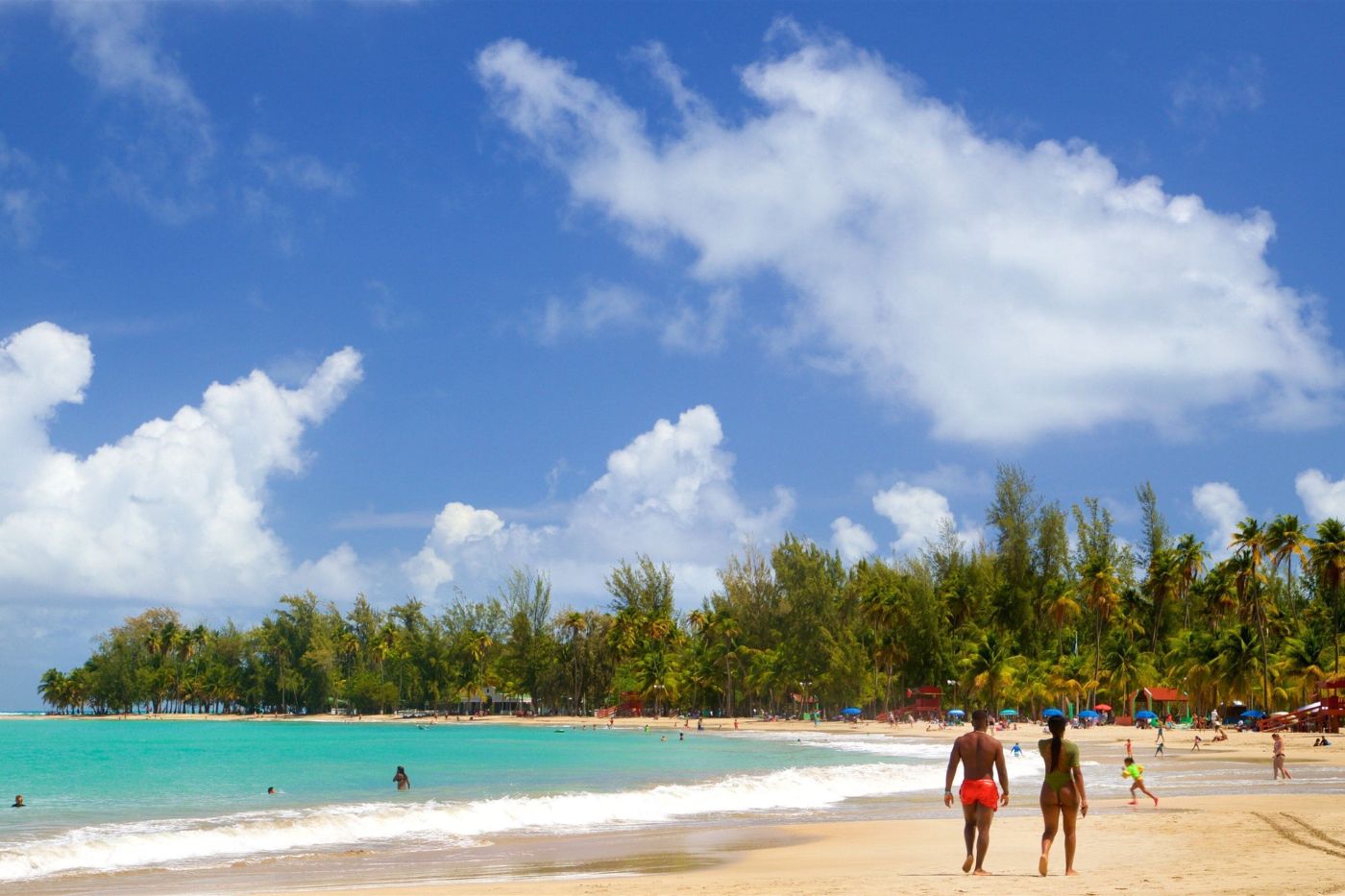
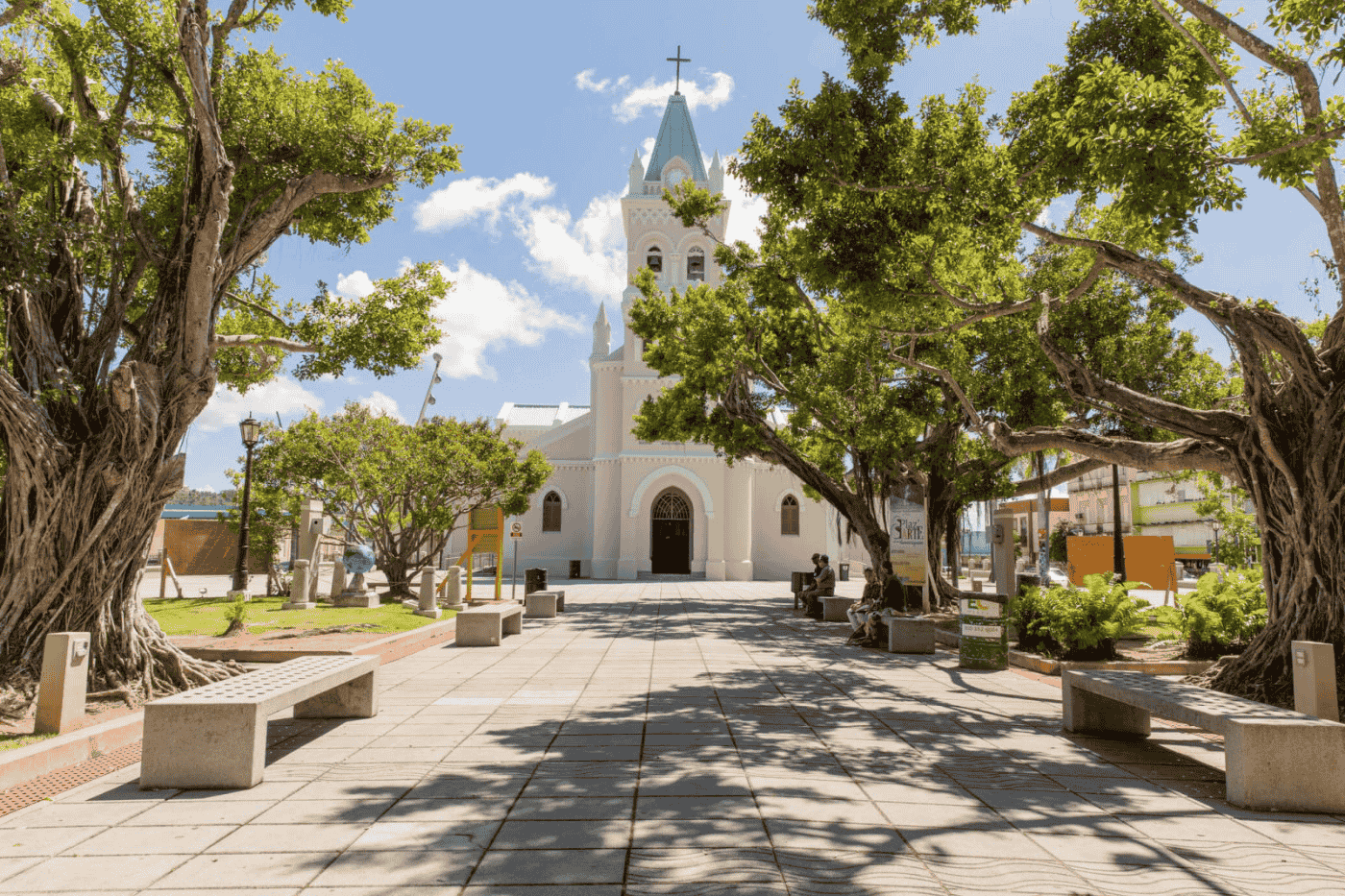
Puerto Rico offers expat families three proven paths to raising Spanish-English bilingual kids: bilingual private schools like Baldwin, Robinson, or St. John's, a consistent one-parent-one-language (OPOL) routine at home, and daily immersion in Spanish-speaking neighborhoods like Condado or Dorado. Christie's International Real Estate Puerto Rico regularly represents Act 60 and relocating families buying in Dorado and San Juan, and the same three variables tend to decide whether a child ends up genuinely bilingual or English-dominant with survival-level Spanish.
In this article, we'll cover the school categories that work, the daily habits that reinforce language outside class, the curriculum trade-offs families face, and a relocation checklist for bilingual-minded households.
Key Takeaways
- School choice in year one sets the home language balance for years.
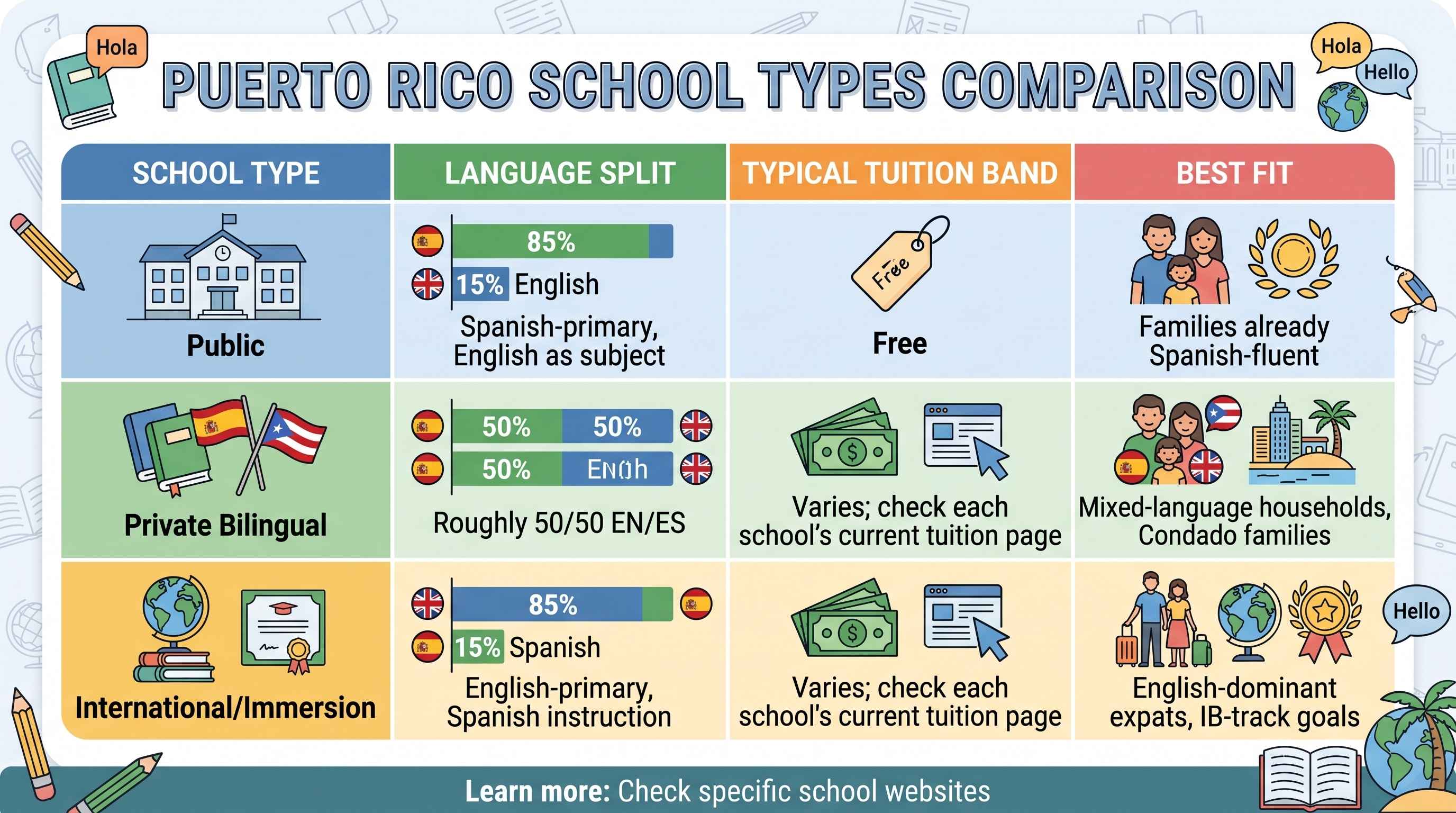
- Private bilingual schools split roughly 50/50 English-Spanish; public schools teach mainly in Spanish.
- OPOL works best paired with local Spanish-speaking friends, not alone.
- Condado offers walkable immersion; Dorado offers space with less daily Spanish exposure.
- Act 38-2026 extends Act 60 through 2055, with a 4% tax on new applications after December 31, 2026.
How Expat Families Actually Raise Bilingual Kids in Puerto Rico
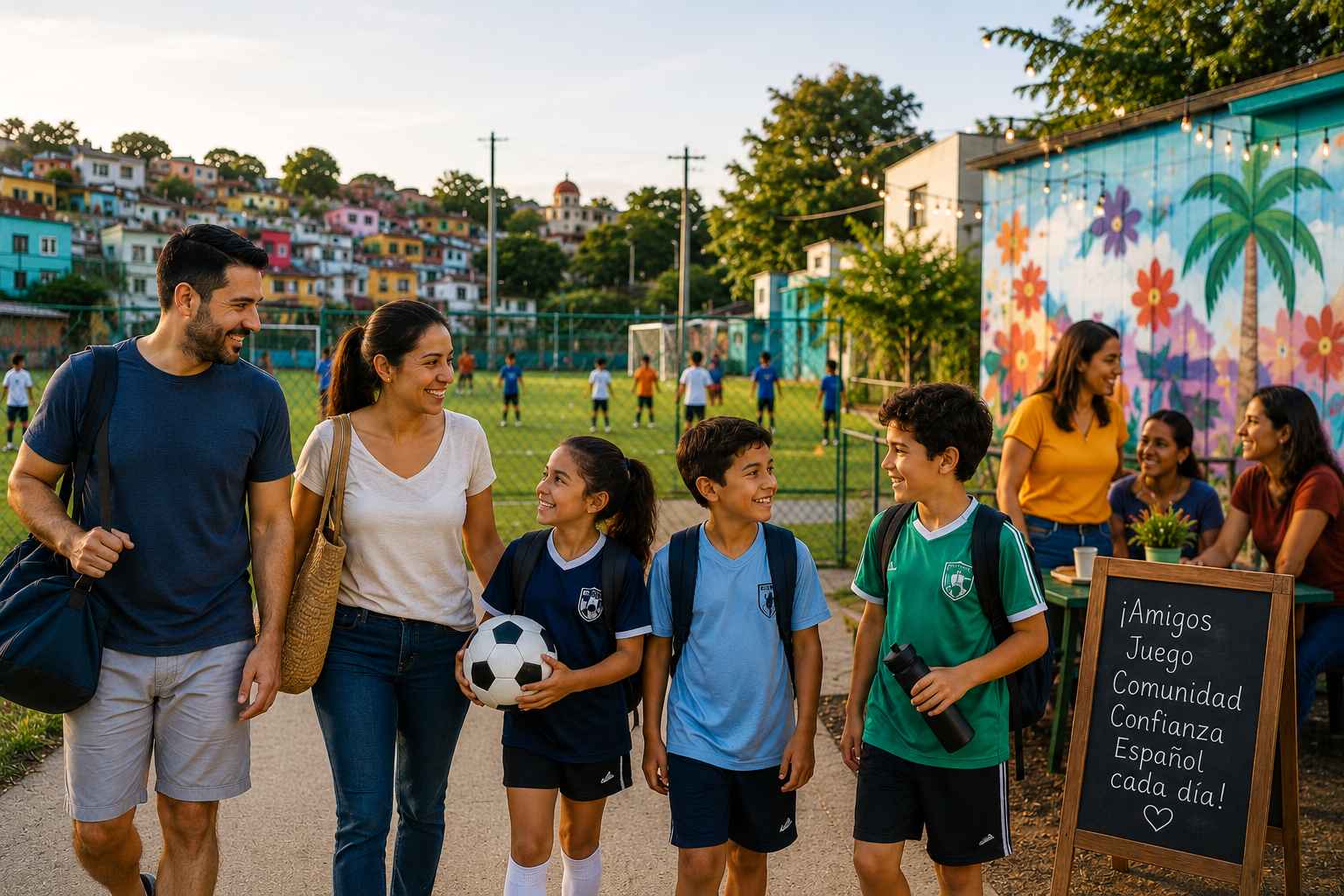
Most bilingual outcomes trace back to one decision made in year one: the school category chosen, which sets the daily language ratio for years afterward.
Among relocating parents touring in Dorado, school choice tends to come up before square footage—often framed as a choice between commuting to a Condado-area campus like Robinson or St. John's and staying in a Dorado community closer to TASIS. Families who want strong English plus solid Spanish typically land in private bilingual schools such as:
- Baldwin
- St. John's
- American School, or
- Cupeyville
- Then reinforce whichever language is weaker at home instead of relying on the school alone.
That pattern matches what expat-parenting forums repeatedly show: families rarely pick a school and walk away, they keep adjusting the home-language mix for years afterward.
- School-led immersion model: child attends a bilingual campus, parents reinforce Spanish through weekend activities.
- OPOL home model: one parent speaks only Spanish, the other only English, regardless of school choice.
- Community immersion model: family leans on neighborhood life, sports leagues, and local friendships to build Spanish fluency outside any classroom.
Public, Private Bilingual, and International School Categories in Puerto Rico
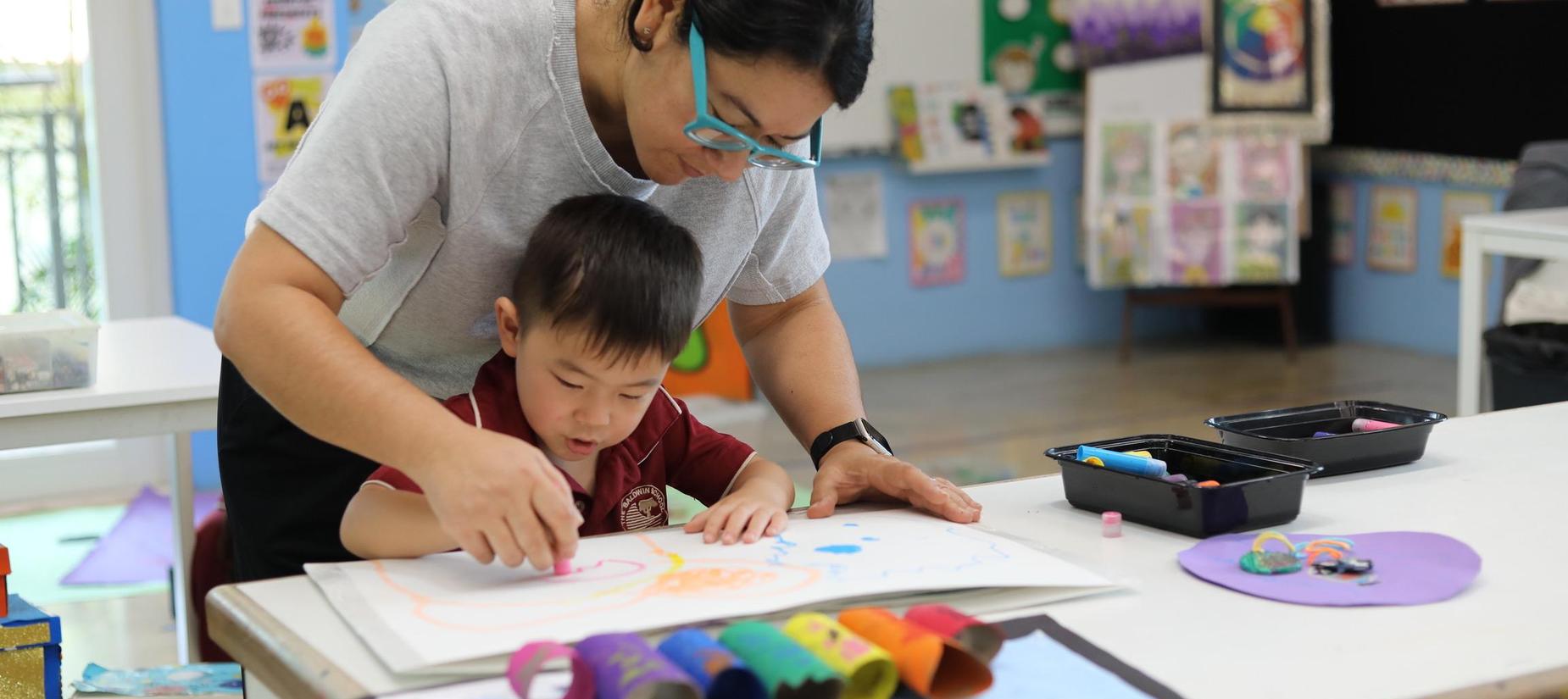
Puerto Rico's education options for expats split into three categories, and the split matters more than each school's marketing language.
Public Schools
Public schools teach almost entirely in Spanish, with English required as a second-language subject at every grade level, per Puerto Rico Department of Education policy. That structure suits families already comfortable in Spanish, but it disadvantages English-dominant children in year one. Families relocating from the mainland under Act 60 rarely choose the public-school route in year one or two, since English-dominant children typically can't follow Spanish-medium instruction without a transition period.
Private Bilingual Schools
These campuses run genuine dual-language curricula, not English as an add-on subject.
- Baldwin School — Guaynabo (often described as Bayamón area), IB continuum school, English-medium with Spanish instruction.
- Robinson School — Santurce/Condado, popular with families relocating to Condado for walkability.
- St. John's School — Condado, another frequent pick among newcomers.
- American School of Bayamón — a private bilingual option newcomers commonly consider when public schools aren't the right fit.
International and Immersion-Style Schools
TASIS Dorado, Palmas Academy in Humacao, and Caribbean School in Ponce round out the international-school category, offering IB-track or college-preparatory curricula built for globally mobile families. For families targeting Dorado Beach and adjacent gated communities, TASIS Dorado is the nearest international-school option and tends to be the default consideration on commute grounds alone.
Everyday Cultural Immersion Outside the Classroom
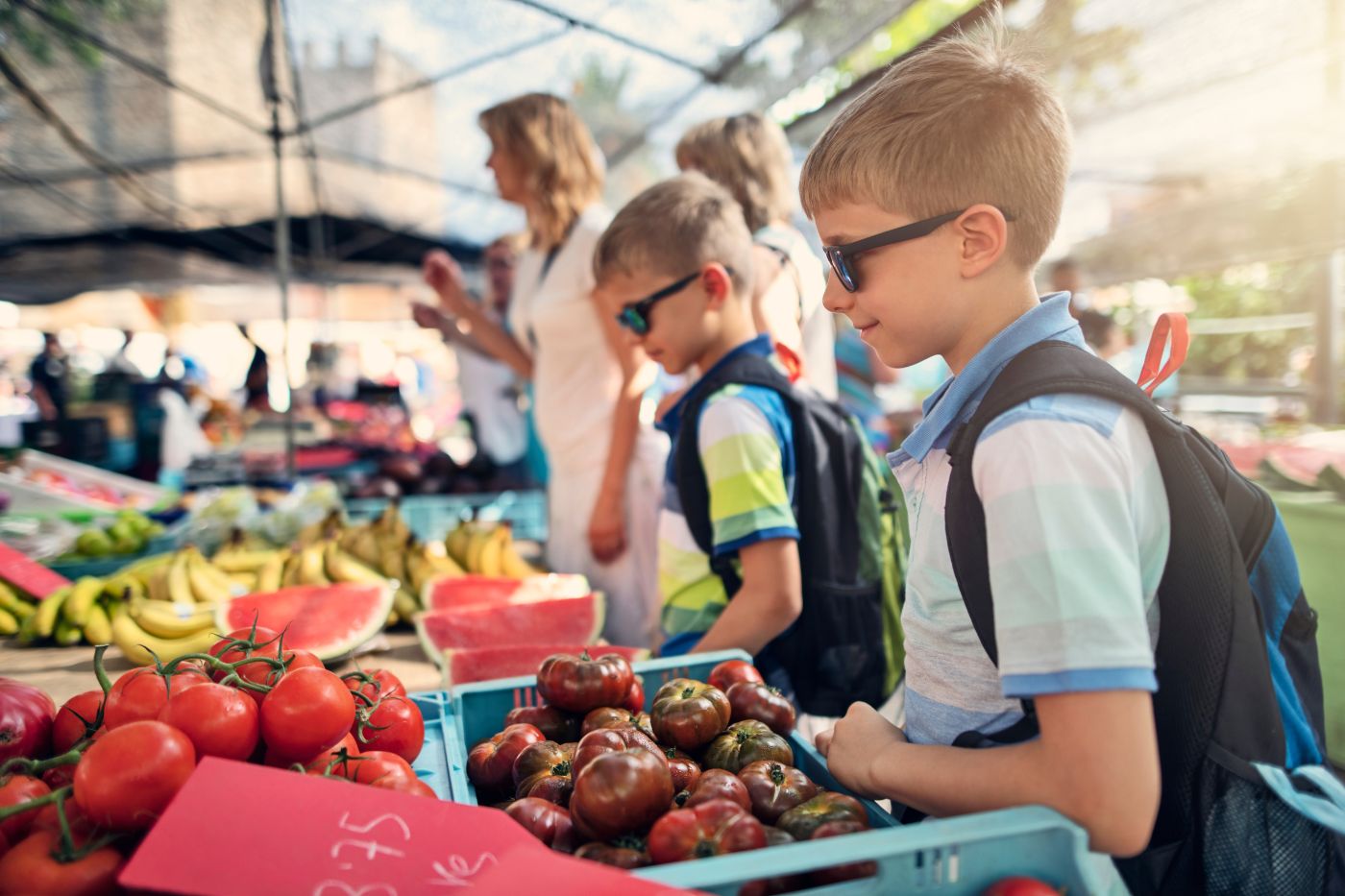
Language exposure outside school hours often determines whether a bilingual education produces a bilingual kid. Condado gets recommended constantly for a reason: it's walkable, hosts a large English-speaking expat community, and sits within blocks of two well-regarded bilingual schools. Condado gets recommended constantly for a reason: it's walkable, hosts a large English-speaking expat community, and sits within blocks of two well-regarded bilingual schools — a combination that lets children maintain English while slowly picking up Puerto Rican culture through daily errands, not formal lessons.
- Colmados (corner stores) and farmers' markets for casual Spanish practice.
- Youth sports leagues in Dorado and Condado, where coaches usually run drills in Spanish.
- Old San Juan cultural events and gallery walks, useful for older kids building vocabulary through art and history.
- Beach clubs in Dorado, where staff and other families often switch fluidly between languages.
Families settling in Dorado for the beachfront lifestyle tend to get less daily Spanish exposure than Condado families simply because gated communities skew more English-speaking. That's a trade-off worth naming honestly rather than glossing over.
Where OPOL Actually Works and Where It Breaks Down
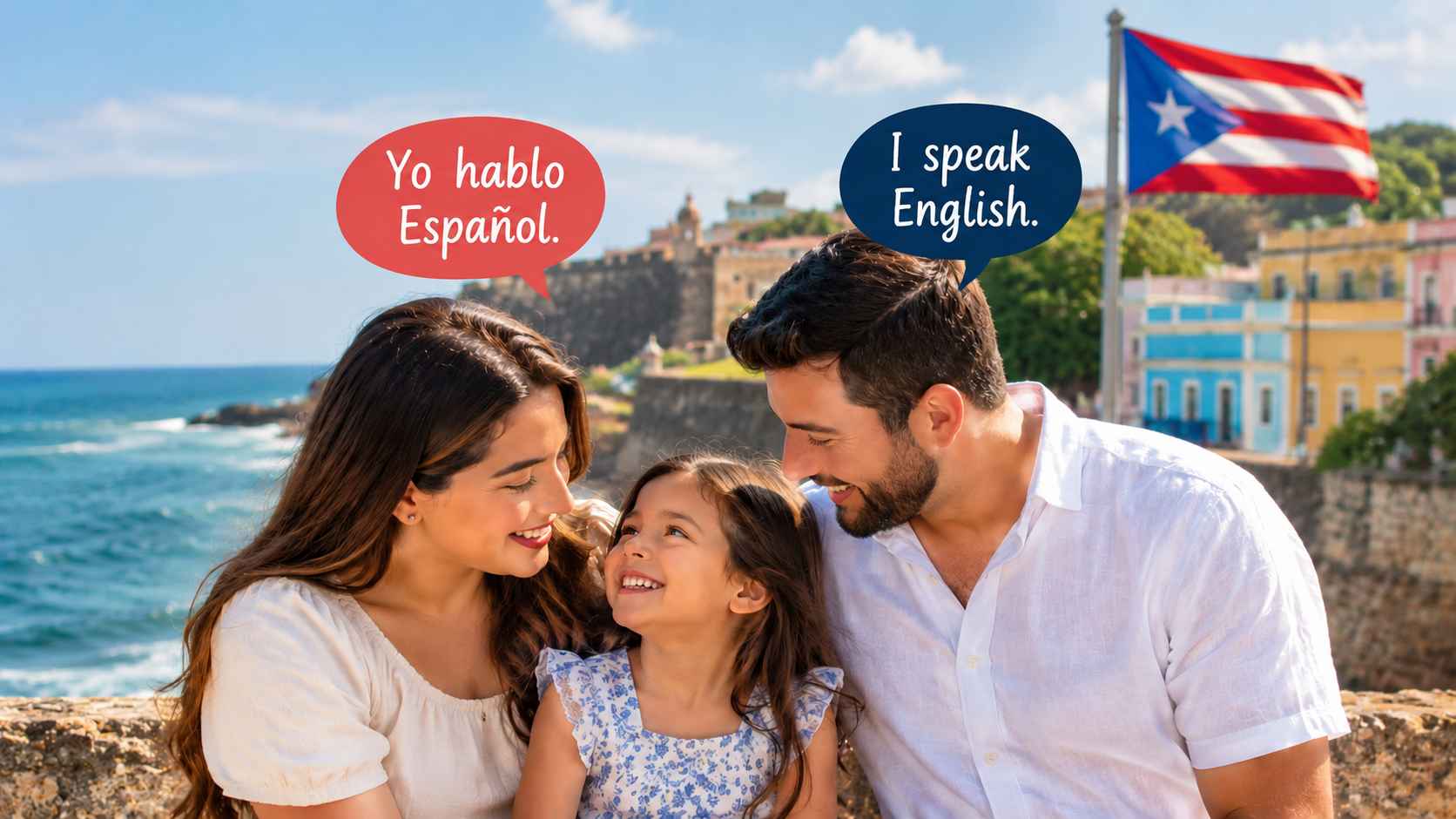
OPOL works best as a supplement to school choice, not a replacement for it. On expat forums covering Puerto Rico, the recurring point from parents is that since public schools teach in Spanish, non-Spanish-speaking families end up choosing between private English-medium schools, bilingual schools, or homeschooling — and that choice becomes the main lever for how immersive a child's Spanish environment actually is.
The standard bilingual-development guidance is to focus on social immersion — local friends, playdates, community activities, and a Spanish tutor — while keeping academic support in the home language so the child stays bilingual instead of falling behind in their first language. This aligns with the broader bilingual-development literature: children who get OPOL at home without a Spanish-speaking peer group tend to plateau at a conversational level and rarely reach academic fluency.
Curriculum Alignment and Language-Balance Challenges
Switching a child into a Puerto Rico school mid-year, especially from a US mainland public school, creates real curriculum gaps that families underestimate.
- Reading level mismatches: Spanish grammar instruction can slow English reading progress for a semester or two.
- Religious-versus-secular trade-offs: Families comparing Marista, San Ignacio, and Robinson often weigh Spanish-dominant Catholic schools against more secular bilingual options.
- Fix: a private Spanish or English tutor during the first two semesters, budgeted separately from tuition.
- Fix: summer immersion camps before the school year starts, common among families relocating to Dorado in June or July ahead of an August enrollment.
Bilingual education stays largely a private-sector offering on the island, a pattern documented in the academic literature on Puerto Rico's bilingual education landscape. Families budgeting for a luxury home purchase in Dorado or Condado should treat private school tuition as a recurring cost alongside property taxes and homeowner association dues, not an afterthought.
Family Relocation Checklist for Act 60 Bilingual Households
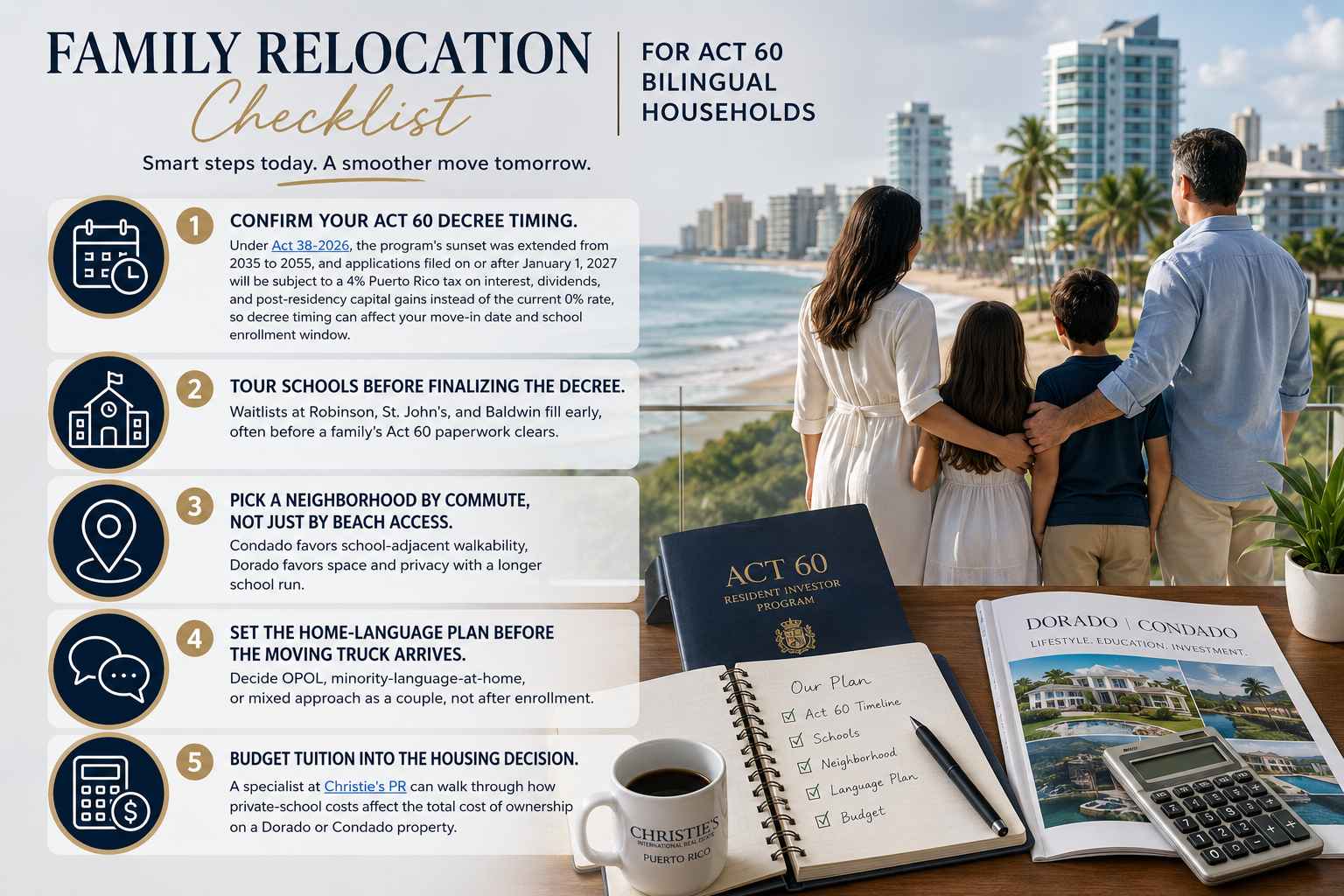
- Confirm your Act 60 decree timing. Under Act 38-2026, the program's sunset was extended from 2035 to 2055, and applications filed on or after January 1, 2027 will be subject to a 4% Puerto Rico tax on interest, dividends, and post-residency capital gains instead of the current 0% rate, so decree timing can affect your move-in date and school enrollment window. .
- Tour schools before finalizing the decree. Waitlists at Robinson, St. John's, and Baldwin fill early, often before a family's Act 60 paperwork clears.
- Pick a neighborhood by commute, not just by beach access. Condado favors school-adjacent walkability, Dorado favors space and privacy with a longer school run.
- Set the home-language plan before the moving truck arrives. Decide OPOL, minority-language-at-home, or mixed approach as a couple, not after enrollment.
- Budget tuition into the housing decision. A specialist at Christie's PR can walk through how private-school costs affect the total cost of ownership on a Dorado or Condado property.
Puerto Rico Luxury Properties for Sale
Families building a bilingual household around school access and a walkable neighborhood need a home that matches that lifestyle. Christie's International Real Estate Puerto Rico works with Act 60 and relocating families across Dorado, Condado, Old San Juan, and beyond, matching school priorities to the right property before the offer stage. Below are a few current luxury properties for sale worth touring if school access and neighborhood fit are driving your search.
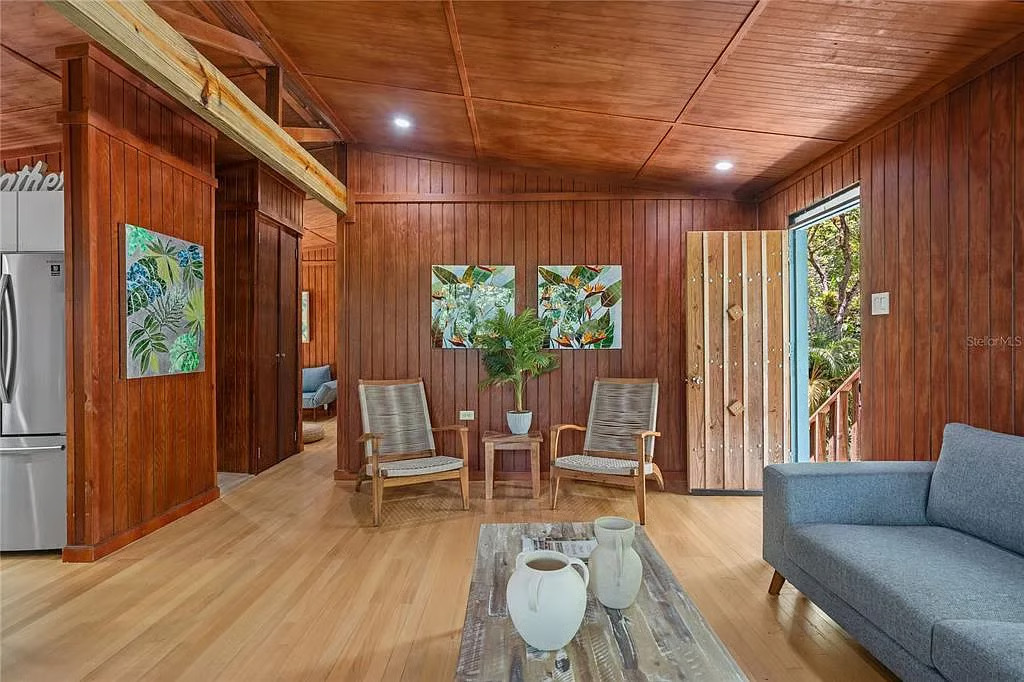
Guavate 184 Bo, Cayey, PR 00736
This mountain-area property offers privacy and space for families who want distance from San Juan traffic while staying within reach of bilingual schools in the metro corridor. View the Guavate 184 Bo listing for full details and to request a virtual tour.
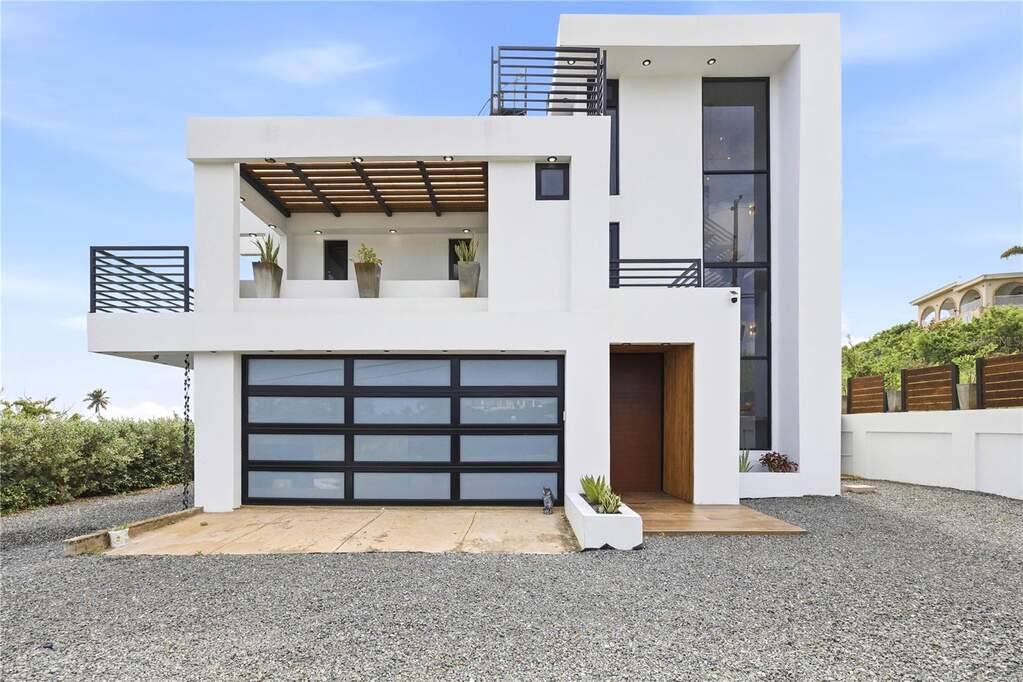
Bo. Membrillo Solar 1, Camuy, PR 00627
Set on the island's north coast, this property suits families prioritizing land and coastal access over walkable urban schooling. See the Camuy listing details to review acreage and pricing.
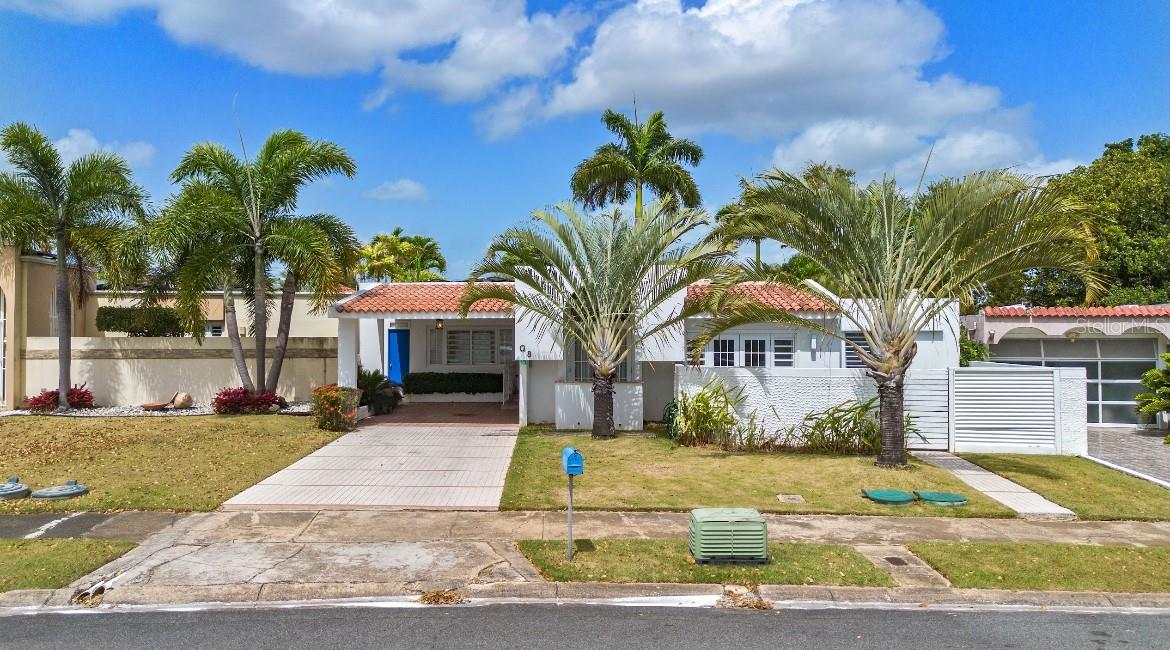
Calle 2 Dorado Del Mar G8, Dorado, PR 00646
Located inside the Dorado Del Mar community, this home sits minutes from TASIS Dorado and the beach clubs families use for weekend Spanish immersion. Explore the Dorado Del Mar listing for floor plans and community amenities.

1 Calle San Geronimo Unit 319, San Juan, PR 00907
This Condado-area residence puts families within walking distance of Robinson and St. John's, the two bilingual schools most requested by relocating parents. Check availability for this San Juan listing before it moves off market.
Conclusion
Raising bilingual kids in Puerto Rico isn't about picking one "right" school—it's about matching a school category to your child's starting language, then reinforcing that choice daily through neighborhood life, sports, and community routines. Families who treat OPOL, school selection, and local immersion as three connected levers, rather than one silver-bullet fix, consistently produce stronger bilingual outcomes than those relying on classroom time alone. The neighborhood you choose shapes this as much as the school itself, which is why property decisions in Condado, Dorado, or Old San Juan deserve the same scrutiny as admissions timelines.
Ready to buy, sell, or rent in Puerto Rico? Christie's International Real Estate Puerto Rico connects families with luxury properties in Puerto Rico near top bilingual schools in Dorado, Condado, and Old San Juan. Reach out today to start your search.
FAQs
How early should we apply to private bilingual or international schools?
For campuses like Baldwin, Robinson, St. John's, and TASIS Dorado, families typically start inquiries 6–12 months ahead because admissions testing, interviews, and waitlists move faster than Act 60 relocation timelines. If you're arriving mid-year, ask about rolling openings and short-term placements, and be ready with US transcripts, immunization records that meet Puerto Rico Department of Health requirements, and teacher recommendations.
What can we do if our child understands Spanish but won't speak it?
Create low-pressure Spanish contact through neighborhood life — a weekly activity with a Spanish-speaking coach (baseball and swim leagues in Dorado and Condado work well), Spanish-only playdates arranged through school parents, and "need-to-speak" routines like ordering at a colmado or panadería. If anxiety is the blocker, a tutor focused on conversation rather than grammar often unlocks speaking faster than adding classroom hours.
How do we keep English strong if most of our child's day is in Spanish?
Protect English literacy at home: daily reading, audiobooks, and age-appropriate writing. For older kids in Spanish-dominant private schools like Marista or San Ignacio, keep one academic subject in English at home — usually math or science vocabulary — so English stays school-level, not just conversational. Families in Condado often use the walkable access to English-language bookstores and cultural events at the Museo de Arte de Puerto Rico to reinforce this.