The Dollar Goes Caribbean: Banking, Luxury Living & the Cost of Calling Puerto Rico Home in 2027
There's something intriguing about earning in American dollars while living on a Caribbean island. Mornings overlooking the Atlantic, afternoons exploring colorful neighborhoods, and evenings spent dining along San Juan's coastline. For many Americans, Puerto Rico offers a lifestyle that feels worlds away without requiring a move outside the United States.
But paradise comes with a price tag, and that price depends heavily on where and how you choose to live.
The cost of living in Puerto Rico in 2027 is not simply a question of whether the island is affordable. It's a question of what your money can buy, which neighborhoods match your lifestyle, and whether renting or owning real estate makes sense for your long-term plans.
From banking and property taxes to beachfront condominiums and exclusive residential communities, this guide explores the financial realities of calling Puerto Rico home. And if purchasing property is part of your plan, understanding the island's real estate market is one of the most valuable places to begin.
What Does It Really Cost to Live in Puerto Rico in 2027?
Puerto Rico presents an interesting financial contrast. Certain housing options may cost less than comparable properties in major mainland metropolitan areas, while electricity, imported products, insurance, and exclusive real estate can carry substantial premiums.
Location makes an enormous difference. A condominium in central San Juan, a beachfront home in Dorado, and a residence in the mountains near Cayey represent three very different lifestyles and financial commitments.
Rather than relying on a single island-wide average, prospective residents should evaluate their expected spending across six categories:
ExpenseWhat influences the cost?HousingNeighborhood, property type, views, amenities, and ownershipUtilitiesElectricity consumption, air conditioning, backup power, and waterFoodImported groceries, restaurants, household size, and shopping habitsTransportationVehicle ownership, insurance, fuel, parking, and commutingHealthcareInsurance coverage, private providers, and specialized servicesLifestyleClub memberships, recreation, property maintenance, and travel
For higher-income households, housing is often the most consequential financial decision because it affects several other expenses simultaneously. A waterfront property may provide exceptional lifestyle benefits while introducing additional insurance, maintenance, and association obligations.
The goal isn't necessarily to spend less in Puerto Rico. It's to understand what you're paying for.
Banking in Puerto Rico: Moving Your Money Without Moving Overseas
One of Puerto Rico's practical advantages is its relationship with the United States financial system. The island uses the U.S. dollar, eliminating the currency conversion considerations that often accompany international relocation.
Residents can access local banking institutions, federally insured deposit accounts at eligible banks, mortgage services, and familiar methods of conducting financial transactions.
Which Banks Operate in Puerto Rico?
Prominent banking institutions include Banco Popular, FirstBank Puerto Rico, and Oriental Bank. Before opening an account, compare personal and business banking services, account minimums, maintenance fees, wire transfers, digital banking capabilities, mortgage products, and customer support.
Deposits at FDIC-insured institutions are subject to applicable federal coverage rules. Investment products and cryptocurrency holdings are not FDIC-insured deposits.
Banking Considerations for Relocating Homebuyers
Purchasing real estate introduces additional financial questions. Buyers should plan for purchase deposits, financing arrangements, proof-of-funds documentation, closing expenses, and potential international transfers if assets are held outside the United States.
Those managing substantial portfolios may also need coordination between financial advisers, accountants, lenders, and real estate professionals. Relocating your residence does not automatically relocate your tax obligations or change the treatment of your investments. Banking, residency, and taxation should be considered together, but each requires its own planning.
The Puerto Rico Housing Market: Renting vs. Buying in 2027
Housing is where Puerto Rico's financial differences become most visible. The island offers everything from traditional apartments and modest suburban properties to waterfront penthouses, gated resort residences, and multimillion-dollar estates.
The decision to rent or buy depends on more than the monthly payment.
When Renting Makes Sense
Renting provides flexibility, particularly for newcomers who have not yet settled on a neighborhood. A temporary lease can offer valuable insight into traffic patterns, seasonal conditions, nearby amenities, and the rhythm of daily life.
For families relocating from the mainland, renting may provide time to evaluate schools, healthcare access, and commuting needs. Desirable rentals in beachfront communities can command premium rates, particularly when furnished accommodations, security, or resort amenities are included.
When Buying Makes Sense
Buying provides greater control over your living environment and an opportunity to establish a long-term presence on the island. Ownership may appeal to retirees, entrepreneurs, remote professionals, and families intending to make Puerto Rico their primary residence.
Yet purchasing requires a wider financial evaluation. Beyond the asking price, buyers should consider property taxes, insurance, closing costs, maintenance, association dues, and potential capital improvements.
A luxury condominium may involve recurring building assessments. A detached coastal home could require landscaping, storm protection, and backup infrastructure. These are important components of the true ownership budget.
Exploring ownership? Browse Puerto Rico real estate with Christie's International Real Estate Puerto Rico to compare homes, neighborhoods, and available property types.
Where Should You Live in Puerto Rico? Five Lifestyle and Real Estate Markets
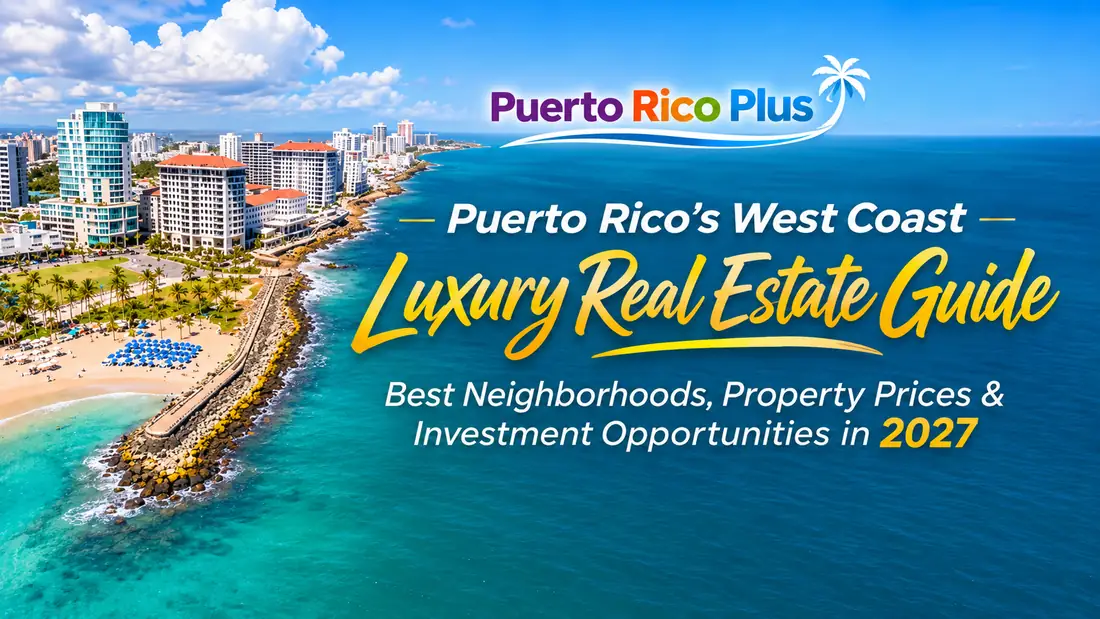
Puerto Rico's most attractive residential markets offer dramatically different experiences. A buyer seeking resort privacy may favor Dorado, while a professional wanting walkable restaurants and ocean views may prefer Condado.
Understanding these distinctions can help narrow your home search before comparing listings.
1. Dorado: Resort Living, Privacy, and Luxury Real Estate
Dorado has become one of Puerto Rico's most recognizable luxury residential destinations. Its appeal combines coastal surroundings with private communities, golf, beach access, and resort-oriented amenities.
Buyers exploring Dorado Beach, Dorado Beach East, Plantation Village, and surrounding neighborhoods will encounter a broad selection of property types. Some communities emphasize detached residences and outdoor space. Others offer condominium living with access to resort infrastructure.
Pricing varies dramatically by neighborhood, property condition, and available amenities, with certain premier residences occupying the island's highest price tiers.
Best suited for: Buyers prioritizing privacy, resort amenities, spacious homes, and a quieter coastal lifestyle.
Explore Dorado homes for sale with Christie's.
2. Condado: Urban Luxury Meets Oceanfront Living
For residents who enjoy city energy without giving up the beach, Condado offers a compelling combination. Restaurants, boutique shopping, waterfront hotels, and residential towers make this one of San Juan's most recognizable neighborhoods.
Luxury condominiums are particularly attractive to buyers seeking an apartment-style ownership experience with access to amenities. However, convenience often carries a premium.
When evaluating Condado real estate, consider building age, parking availability, association fees, security, maintenance reserves, and exposure to coastal weather.
Best suited for: Professionals, second-home buyers, couples, and residents seeking walkable urban amenities.
Explore luxury real estate in Condado and Coastal San Juan.
3. Ocean Park: Residential Character Near the Beach
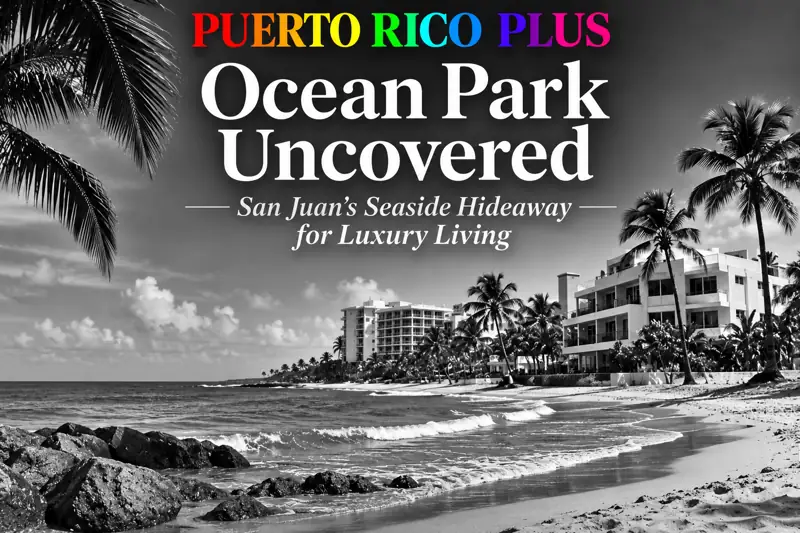
Ocean Park offers another version of coastal San Juan living. Compared with Condado's concentration of high-rise developments, Ocean Park is known for its residential streets, distinctive homes, and proximity to the beach.
The neighborhood attracts buyers who appreciate architectural character, outdoor living, and access to local dining and cultural destinations. Property condition deserves particular attention, especially when purchasing older homes that may require renovations or storm-resilience upgrades.
Best suited for: Buyers seeking residential character, beach proximity, and single-family home opportunities.
Discover Coastal San Juan properties through Christie's.
4. Río Grande: Nature, Golf, and Resort Communities
East of San Juan, Río Grande offers a setting shaped by beaches, resort developments, golf courses, and proximity to El Yunque National Forest. Residential buyers can explore areas associated with Bahía Beach, Río Mar, and nearby communities.
For those balancing luxury living with outdoor recreation, Río Grande presents a different atmosphere from central San Juan. However, transportation needs and commuting distances deserve careful consideration.
A property with beautiful surroundings may still require substantial driving for everyday appointments and services.
Best suited for: Nature enthusiasts, resort-home buyers, families, and residents looking for coastal space outside the capital.
Explore Río Grande luxury homes with Christie's.
5. Palmas del Mar: A Planned Community on the East Coast
Located in Humacao, Palmas del Mar appeals to buyers interested in a planned residential environment. The area combines housing options with recreational amenities, golf, marina access, and a lifestyle distinct from San Juan's more urban neighborhoods.
Properties vary in size, setting, and maintenance requirements, making it important to compare individual communities rather than treating Palmas del Mar as one uniform market.
For households considering permanent relocation, schools, healthcare, transportation, and community services should play a role in the decision.
Best suited for: Families, boaters, retirees, and buyers seeking community-oriented resort living.
Discover Palmas del Mar and Humacao real estate.
How Much Should You Budget for a Home in Puerto Rico?
A realistic property budget should extend well beyond the listing price. Consider the difference between the cost of acquiring a residence and the ongoing cost of maintaining it.
The Full Cost of Homeownership
CostWhat buyers should investigatePurchase priceComparable sales, property condition, and negotiating positionClosing expensesLegal services, title review, registration, and transaction chargesFinancingLoan terms, required down payment, lender fees, and monthly paymentsProperty taxesApplicable CRIM assessments and available exemptionsInsuranceHazard, windstorm, flood, and other relevant coverageAssociation feesCondominium or community assessments and servicesMaintenanceLandscaping, repairs, air conditioning, and building upkeepResilience upgradesShutters, generators, solar batteries, and water storageLifestyle costsClub memberships, parking, recreation, and property services
For condominiums, request financial statements, information about reserves, and records of significant assessments when available. For detached homes, evaluate the roof, drainage, electrical systems, storm protection, and maintenance history.
For resort residences, determine which amenities are included with ownership and which require separate memberships or recurring fees.
A property that appears affordable based solely on its asking price may become less attractive after accounting for ongoing obligations. Conversely, a higher-priced residence with well-maintained infrastructure may better match a buyer's long-term requirements.
Building a Smarter Purchase Budget
Instead of starting with the maximum property price a lender will approve, work backward from the total monthly carrying cost your household can comfortably sustain.
Include anticipated insurance, taxes, association obligations, maintenance reserves, and transportation expenses. This creates a more useful comparison between neighborhoods and property types.
If you're narrowing your search, contact Christie's International Real Estate Puerto Rico to discuss property availability and neighborhood options within your budget.
Food, Groceries, and Dining: The Everyday Cost of Caribbean Living
Food expenses depend heavily on personal preferences. Puerto Rico offers an expansive culinary scene, ranging from neighborhood cafeterias and traditional Puerto Rican restaurants to upscale dining experiences in San Juan's coastal districts.
Residents who cook frequently can establish predictable grocery routines, while households relying on imported specialty products or frequent restaurant visits should anticipate higher spending.
Local Food vs. Imported Goods
Fresh local produce and regionally sourced products can provide alternatives to some imported groceries. However, prices vary according to availability, seasonality, store location, and transportation costs.
For families relocating from major U.S. cities, a useful approach is to compare an actual weekly grocery basket rather than relying on generalized cost-of-living estimates. Include the products your household purchases regularly, particularly specialty foods, household supplies, and dietary essentials.
Dining out follows the same principle. A quick lunch in a residential neighborhood and a multi-course waterfront dinner represent very different budgets. Puerto Rico rewards those willing to explore its local food culture, but luxury dining can become a significant discretionary expense.
Transportation: Do You Need a Car in Puerto Rico?
For most people considering a permanent move, transportation should be part of the housing decision. Puerto Rico has public transportation options in portions of the San Juan metropolitan area, including Tren Urbano and bus services. However, coverage is limited compared with comprehensive transit systems in some major U.S. cities.
A car is especially useful when living in Dorado, Río Grande, Palmas del Mar, or areas outside central San Juan. Vehicle ownership introduces expenses such as insurance, maintenance, fuel, registration, and parking. For families with multiple drivers, these costs can become a meaningful component of the household budget.
Residents considering luxury condominium living should also investigate deeded parking, guest parking, charging infrastructure, and building access.
A useful relocation question: Would you prefer a smaller home near restaurants and services, or a larger property that requires more driving? The answer may shape both your lifestyle and your monthly expenses.
Electricity, Water, and Hurricane Preparedness
Utility expenses deserve particular attention in Puerto Rico. Air conditioning can represent a substantial portion of electricity usage, especially in larger residences. Households should review the home's energy efficiency, insulation, cooling equipment, and available backup systems.
For buyers exploring beachfront homes or luxury estates, generators, solar panels, batteries, and water storage may be important considerations.
Planning for Hurricane Season
Puerto Rico's Atlantic hurricane season runs from June through November, with activity typically peaking around September. Homeowners should investigate roof condition, drainage, shutters, emergency access, and insurance requirements.
Some coastal properties may require separate flood coverage, depending on their location and financing circumstances. A property's visual appeal is only one part of its value. Resilience, maintenance, and insurability also affect the ownership experience.
For a practical checklist, explore Preparing for Hurricane Season in Puerto Rico.
Healthcare, Schools, and Quality of Life
Housing alone does not determine whether Puerto Rico is the right fit. Residents should also evaluate healthcare access, educational options, professional services, and proximity to family or business commitments.
Healthcare
Puerto Rico provides public and private healthcare options, but coverage, provider networks, specialist availability, and insurance acceptance vary. Prospective residents should confirm that their insurance arrangements will work on the island before relocating.
Those with ongoing medical needs should research specialist availability and travel distances from their preferred neighborhoods.
Schools and Family Living
Families may wish to evaluate public, private, and bilingual educational options. School locations, admission requirements, tuition, extracurricular programs, and commuting arrangements can influence the choice between urban and suburban neighborhoods.
Dorado, San Juan, Guaynabo, Río Grande, and Humacao offer different combinations of housing and access to services. For households planning a long-term move, visiting schools and neighborhoods before committing to a purchase can be worthwhile.
Puerto Rico Taxes in 2027: What Changes Under Act 60?
Puerto Rico's tax incentives have attracted attention from entrepreneurs, investors, and high-income individuals. However, the island's tax structure is more complex than headlines promising tax-free living might suggest.
One important development is Act 38-2026, which amended provisions of Puerto Rico's Act 60 Incentives Code for individual resident investors.
What Changes on January 1, 2027?
Under the amended framework, qualifying new individual resident investor applicants generally face a 4% Puerto Rico tax rate on specified interest, dividends, and post-residency capital gains, rather than the previous 0% treatment available under qualifying earlier decrees.
The program's horizon has also been extended through 2055 for qualifying new applicants. Applications filed by December 31, 2026 may retain benefits under the prior framework, subject to applicable conditions and approval.
Importantly, these incentives do not automatically apply to everyone who purchases a Puerto Rico home.
Does Buying Property Establish Tax Residency?
No. Purchasing real estate alone does not establish bona fide residency for U.S. federal tax purposes. The IRS generally considers physical presence, tax home, and closer-connection requirements, with specific exceptions and tests applying to different circumstances.
Applicants under the resident investor program must also satisfy applicable decree and primary-residence acquisition requirements. For qualifying new applicants in 2027, the rules governing how a required primary residence is owned are especially important.
Prospective residents should consult qualified Puerto Rico and U.S. tax counsel before changing residency, selling investments, or relying on an incentive.
Real estate should support a legitimate relocation plan, not substitute for one.
A Practical Roadmap for Buying Luxury Real Estate in Puerto Rico
Buying a property on the island becomes easier to navigate when the process is broken into manageable decisions.
Step 1: Choose Your Lifestyle
Start by identifying your preferred environment. Do you want the activity of Condado, residential charm of Ocean Park, privacy of Dorado, natural surroundings of Río Grande, or the planned-community lifestyle of Palmas del Mar?
Your priorities should determine the search, not simply the first attractive listing.
Step 2: Establish Your Financial Framework
Define a realistic purchase budget and estimate the property's recurring expenses. Include your financing strategy, insurance expectations, association fees, and maintenance obligations.
If you are relocating under a particular tax arrangement, coordinate those financial decisions with your advisers.
Step 3: Compare Neighborhoods and Property Types
Review current listings, recent comparable sales, building conditions, and amenities. A beachfront apartment and a gated estate may offer comparable ocean access but very different responsibilities.
When evaluating higher-value homes, experienced local representation can help buyers identify issues not immediately apparent in listing photographs.
Step 4: Complete Due Diligence
Before closing, coordinate appropriate title review, inspections, financing verification, insurance review, and legal documentation. For condominiums, investigate association obligations. For properties undergoing renovation, examine available permits and relevant construction records.
Step 5: Prepare for Ownership
Arrange utilities, insurance, property services, security, and maintenance before taking possession. If you do not intend to occupy the property year-round, consider how the home will be monitored and maintained while vacant.
Ready to move from research to property selection?
Explore available luxury homes with Christie's International Real Estate Puerto Rico.
Frequently Asked Questions About Living in Puerto Rico in 2027
Is Puerto Rico cheaper to live in than the United States?
It depends on where you're moving from and the lifestyle you intend to maintain. Certain housing markets may compare favorably with expensive mainland cities, while electricity, imported goods, insurance, and luxury housing can increase household expenses.
Can U.S. citizens buy property in Puerto Rico?
Yes. U.S. citizens can purchase real estate in Puerto Rico. However, buyers should still complete appropriate legal, title, financial, and property due diligence.
Is Dorado more expensive than San Juan?
Dorado's premier resort communities contain some of Puerto Rico's most expensive residential properties. However, both Dorado and San Juan include different neighborhoods and property types, making broad comparisons difficult. Individual listings and comparable sales provide more meaningful guidance.
Where do luxury homebuyers look in Puerto Rico?
Popular areas include Dorado, Condado, Ocean Park, Río Grande, and Palmas del Mar. The right location depends on lifestyle preferences, property availability, privacy requirements, and budget.
Do you need a passport to move to Puerto Rico from the mainland United States?
U.S. citizens traveling directly between the mainland United States and Puerto Rico generally do not need a passport. Adults flying must carry identification acceptable under current TSA requirements.
Are there property taxes in Puerto Rico?
Yes. Real estate may be subject to property taxes administered through Puerto Rico's Municipal Revenue Collection Center, commonly known as CRIM. Assessments, exemptions, and obligations depend on the specific property and applicable rules.
Can you finance a home in Puerto Rico?
Financing is available, although lending criteria, down payment requirements, appraisal procedures, and documentation can differ among institutions. Buyers should compare financing options early and confirm their purchasing capacity before making offers.
For additional guidance, read Mortgage Companies in Puerto Rico and How to Choose One.
Is buying Puerto Rico real estate a good investment?
That depends on the purchase price, property condition, market fundamentals, ownership costs, financing, and intended use. Real estate can provide lifestyle benefits and potential long-term value, but appreciation and rental income are never guaranteed.
What is the best first step before relocating?
Spend time in the neighborhoods you're considering, evaluate your full household budget, and consult professionals familiar with Puerto Rico real estate, banking, and taxation.
The Bottom Line: Your Dollar, Your Lifestyle, Your Puerto Rico
Puerto Rico offers an unusual combination of American financial familiarity and Caribbean living. There are practical advantages to using the U.S. dollar, enjoying established banking services, and accessing a diverse residential market. There are also genuine costs to consider, particularly when purchasing luxury real estate or relocating permanently.
The most rewarding move is rarely the one made around a single tax incentive or attractive property photograph. It's the one where the neighborhood fits your daily routine, the financial commitments make sense, and the home supports the life you're building.
From the coastal energy of Condado to the resort communities of Dorado and the natural beauty surrounding Río Grande, Puerto Rico offers several distinct versions of luxury living. The next step is discovering which one belongs to you.
Find Your Place in Puerto Rico With Christie's International Real Estate
Considering a beachfront condominium, resort residence, family home, or luxury estate?
Christie's International Real Estate Puerto Rico specializes in helping buyers explore the island's residential markets, including Coastal San Juan, Dorado, and Río Grande.
Explore current listings, compare neighborhoods, and connect with a local real estate specialist to discuss your priorities.
Browse Luxury Homes for Sale in Puerto Rico
Contact Christie's International Real Estate Puerto Rico
Phone: (939) 337-3000
This article provides general lifestyle, financial, and real estate information. Property prices, utility rates, taxes, and regulations can change. Readers should obtain current property-specific estimates and consult appropriate legal, tax, lending, and insurance professionals before making decisions.