U.S. citizens require no visa or passport to relocate permanently to Puerto Rico, as the territory maintains full U.S. citizenship rights and domestic travel status. Non-U.S. citizens must obtain appropriate U.S. immigration visas or maintain existing legal status to establish Puerto Rico residency. This article examines the precise legal requirements for establishing Puerto Rico residency and Act 60 tax incentive qualifications.
It also covers bona fide residency tests and compliance obligations for domestic and international relocators.
Key Takeaways
- U.S. citizens can move to Puerto Rico without a visa, while non-U.S. citizens need valid U.S. immigration status.
- Act 60 requires real residency, including physical presence, documentation, and ongoing compliance.
- The 183-day rule is central, but tax home and closer connection tests also matter.
- Applying before the end of 2026 may offer more favorable Act 60 terms.
- Choosing the right home in Puerto Rico can support both lifestyle goals and residency requirements.
Immigration Status Requirements for Puerto Rico

U.S. citizens enjoy unrestricted movement to Puerto Rico without immigration documentation, work permits, or residency applications. Puerto Rico operates under U.S. federal immigration law, meaning your existing citizenship status determines your legal ability to relocate. International citizens must possess valid U.S. visas, green cards, or other authorized immigration status to establish legal residency.
Non-U.S. citizens should verify their current immigration status allows indefinite U.S. residence before beginning Puerto Rico relocation planning. Tourist visas and temporary work authorizations may not provide sufficient legal foundation for permanent residency establishment.
Visa Categories for International Residents
International citizens typically utilize these immigration pathways for Puerto Rico residency. Each category carries specific obligations and renewal requirements that affect long-term residency planning.
- Permanent Residents (Green Card Holders): Full relocation rights with standard residency obligations.
- E-2 Investor Visas: Renewable status requiring substantial business investment maintenance.
- L-1 Intracompany Transfers: Corporate relocation basis with employer sponsorship requirements.
- O-1 Extraordinary Ability: Individual merit-based status for specialized professionals.
- H-1B Specialty Occupation: Employment-based authorization with sponsorship dependencies.
Documentation Requirements
Standard documentation facilitates residency establishment regardless of citizenship status. Proper documentation preparation expedites government processes and compliance verification.
- Valid U.S. passport or immigration documents.
- Birth certificates and marriage certificates (certified copies).
- Financial statements demonstrating economic capacity.
- Criminal background checks from previous residency locations.
- Medical records and vaccination documentation.
- Employment verification or business incorporation documents.
Act 60 Requirements and Eligibility Criteria

Act 60 provides significant tax incentives for new Puerto Rico residents who meet strict compliance requirements and maintain bona fide residency status. The program extends through 2055, though applications submitted after December 31, 2026 face modified terms including higher tax rates and extended non-residency proof requirements. Puerto Rico residency rules under Act 60 demand comprehensive lifestyle changes rather than simple tax planning strategies.
Act 60 requirements include mandatory charitable contributions, primary residence acquisition, and detailed annual reporting to maintain decree validity. Applications submitted before 2027 benefit from more favorable terms and grandfathered provisions.
Physical Presence Requirements
The 183-day presence test forms the foundation of Act 60 compliance and bona fide resident Puerto Rico status. This requirement demands actual physical presence rather than simple property ownership or tax filing.
- Minimum 183 days annually: Calendar year calculation with precise day counting.
- Documentation requirements: Travel records, utility bills, and residency evidence.
- Departure limitations: Extended mainland travel may jeopardize compliance.
- Medical emergency exceptions: Limited provisions for unavoidable absences.
- Business travel considerations: Careful planning required for professional obligations.
Financial and Investment Obligations
Act 60 requirements extend beyond physical presence to include specific financial commitments and investment activities. These obligations demonstrate genuine commitment to Puerto Rico economic development.
- Primary residence purchase: Must acquire within two years of decree approval.
- Annual charitable contributions: $10,000 minimum to qualified Puerto Rico organizations.
- Real estate investment: Primary residence serves as substantial local investment.
- Business activities: Certain decree types require local business establishment.
- Banking relationships: Puerto Rico financial institution accounts recommended.
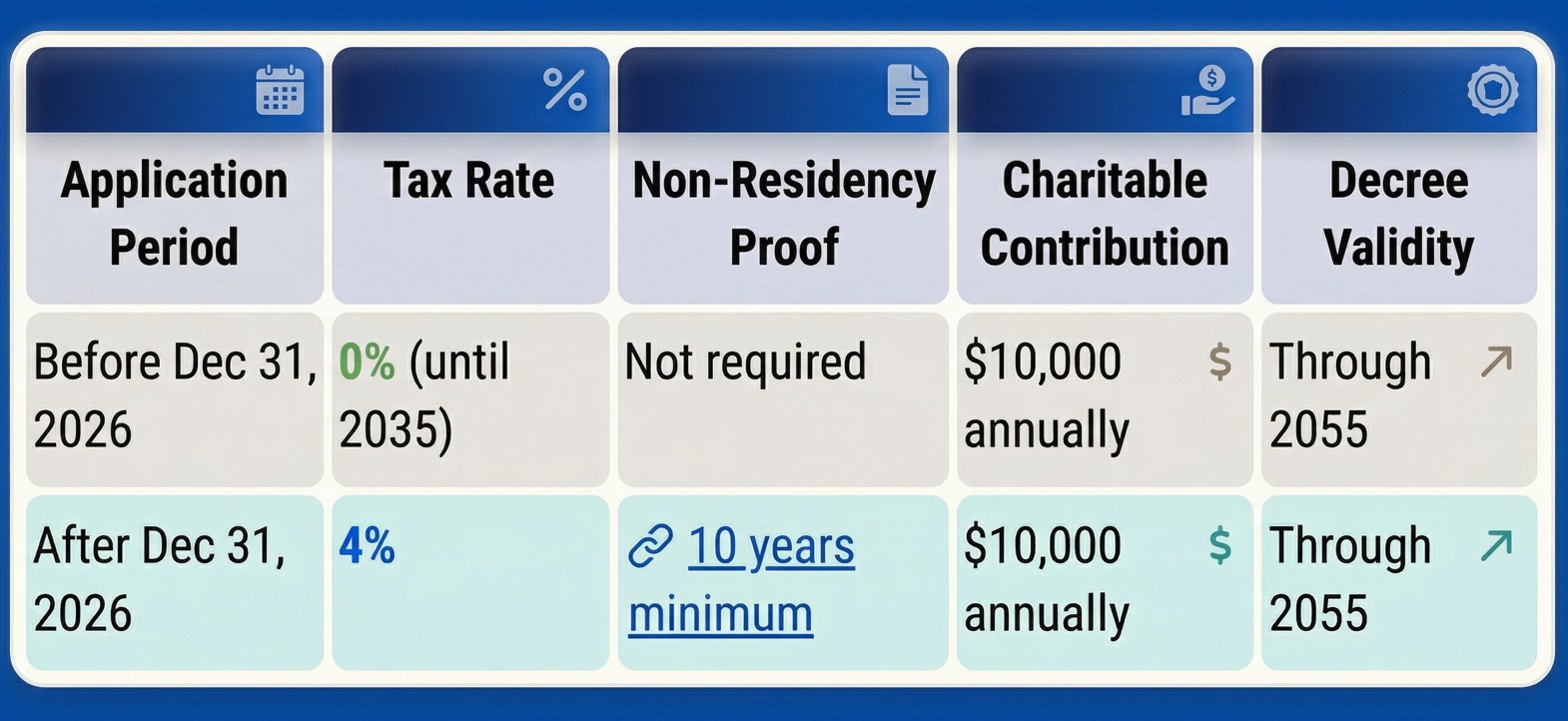
Understanding the timeline advantages helps optimize your application strategy and long-term tax planning approach.
Bona Fide Residency Test Components
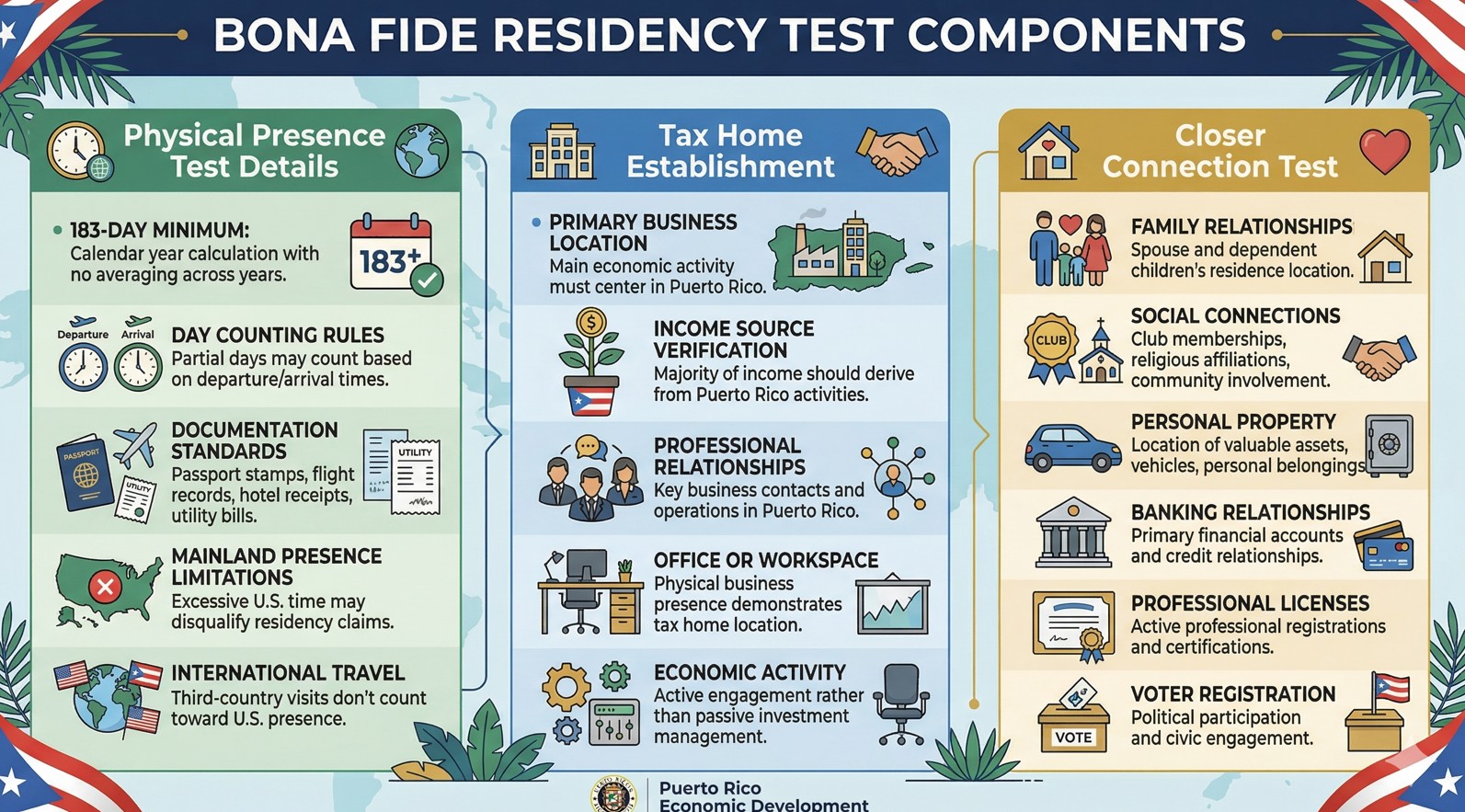
The IRS bona fide residency test determines your eligibility for Puerto Rico tax benefits through three distinct criteria that evaluate your genuine connection to the territory. Each component requires substantial evidence and lifestyle changes that demonstrate authentic residency rather than tax avoidance schemes. Relocating to PR successfully demands comprehensive understanding of these interconnected requirements.
Bona fide residency extends beyond simple presence calculations to include economic, social, and personal ties that establish Puerto Rico as your primary life center. The IRS scrutinizes these connections during audits and compliance reviews.
Physical Presence Test Details
- 183-day minimum: Calendar year calculation with no averaging across years.
- Day counting rules: Partial days may count based on departure/arrival times.
- Documentation standards: Passport stamps, flight records, hotel receipts, utility bills.
- Mainland presence limitations: Excessive U.S. time may disqualify residency claims.
- International travel: Third-country visits don't count toward U.S. presence.
Tax Home Establishment
- Primary business location: Main economic activity must center in Puerto Rico.
- Income source verification: Majority of income should derive from Puerto Rico activities.
- Professional relationships: Key business contacts and operations in Puerto Rico.
- Office or workspace: Physical business presence demonstrates tax home location.
- Economic activity: Active engagement rather than passive investment management.
Closer Connection Test
- Family relationships: Spouse and dependent children's residence location.
- Social connections: Club memberships, religious affiliations, community involvement.
- Personal property: Location of valuable assets, vehicles, personal belongings.
- Banking relationships: Primary financial accounts and credit relationships.
- Professional licenses: Active professional registrations and certifications.
- Voter registration: Political participation and civic engagement.
These comprehensive requirements ensure that bona fide residency reflects genuine lifestyle changes rather than temporary tax strategies.
Application Process and Timeline

The Act 60 application process involves multiple government agencies and requires extensive documentation to demonstrate eligibility and commitment to Puerto Rico residency. Applications typically require 6-12 months for processing, though complex cases may extend longer depending on documentation completeness and government review capacity. Puerto Rico investor visa applications demand thorough preparation and professional guidance to navigate regulatory requirements successfully.
Early application submission before December 31, 2026 provides significant advantages including lower tax rates and reduced documentation requirements. Professional assistance often proves essential for complex financial situations or international applicants.
Required Documentation Package
- Personal identification: Passports, birth certificates, marriage certificates.
- Financial statements: Tax returns, bank statements, investment portfolios.
- Criminal background checks: FBI and local jurisdiction clearances.
- Professional credentials: Educational degrees, professional licenses, employment history.
- Investment documentation: Real estate contracts, business incorporation papers.
- Charitable commitment: Letters of intent for required contributions.
Government Review Process
- Initial application review: Completeness check and basic eligibility verification.
- Financial analysis: Income sources, investment capacity, and economic impact assessment.
- Background investigation: Criminal history and regulatory compliance review.
- Site visits: Potential inspection of proposed residence and business locations.
- Final approval: Decree issuance with specific terms and conditions.
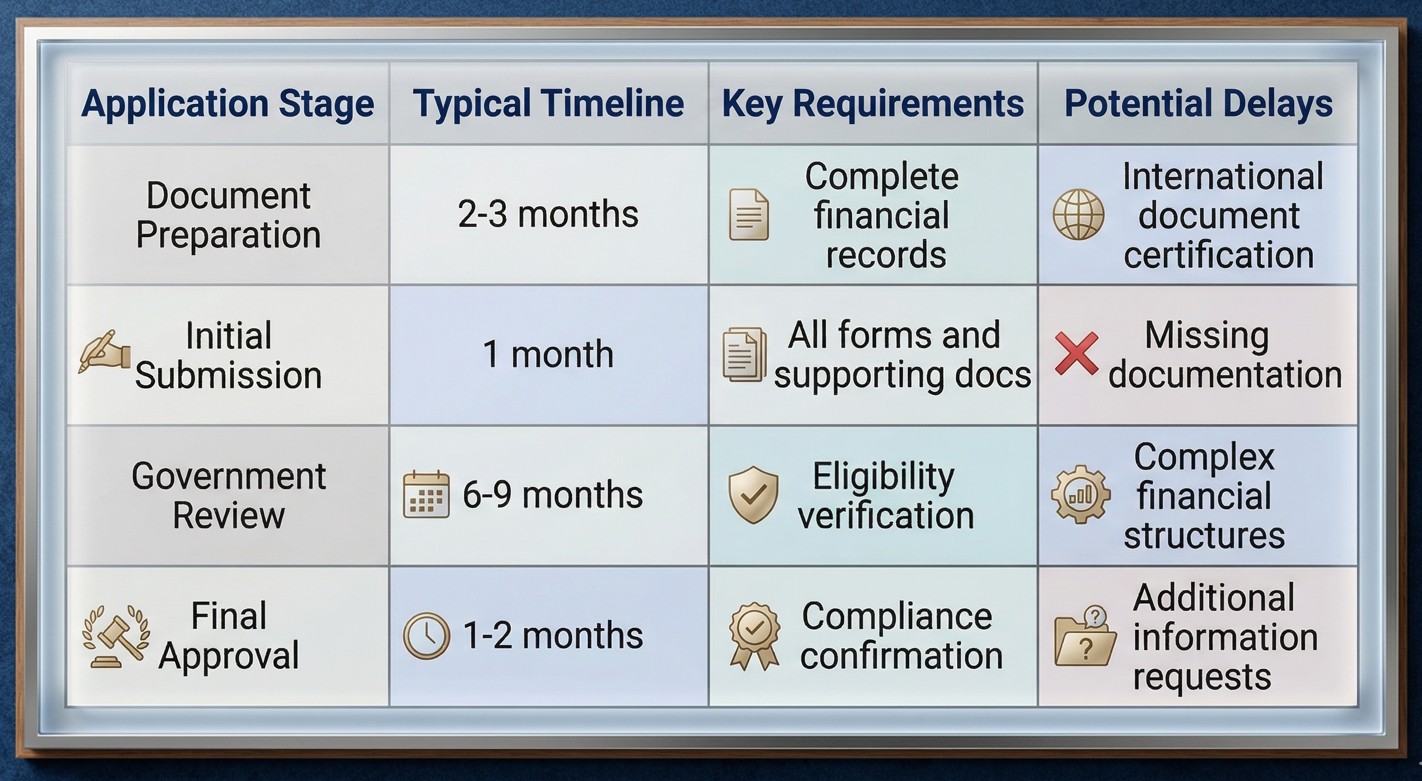
Professional guidance helps navigate these complex requirements and avoid common application delays that extend the approval timeline.
Compliance and Ongoing Obligations

Act 60 decree holders must maintain strict compliance with annual reporting requirements, charitable contribution obligations, and residency maintenance throughout the decree validity period. Annual reports document your continued eligibility and compliance with all decree terms, including physical presence verification and economic activity reporting. Failure to maintain compliance can result in decree revocation and retroactive tax liability for all benefits received.
Ongoing obligations extend beyond simple tax filing to include community engagement, economic development participation, and detailed lifestyle documentation. Regular compliance monitoring helps identify potential issues before they threaten decree validity.
- Annual reporting: Comprehensive compliance documentation due each tax year.
- Charitable contributions: $10,000 minimum to qualified Puerto Rico organizations annually.
- Physical presence tracking: Detailed travel records and residency documentation.
- Tax filing obligations: Puerto Rico and federal tax returns with proper elections.
- Real estate maintenance: Primary residence ownership and occupancy requirements.
- Business activity reporting: Economic development and local employment documentation.
- Banking compliance: Puerto Rico financial institution relationship maintenance.
- Professional licensing: Local professional registration where applicable.
Cost of Living and Lifestyle Considerations

Puerto Rico offers a compelling combination of Caribbean lifestyle, U.S. legal framework, and favorable cost structure. This attracts high-net-worth individuals seeking tropical relocation with mainland convenience. Housing costs vary dramatically by location, with luxury beachfront properties in Dorado and Condado commanding premium prices while interior regions offer more affordable options.
Luxury properties in Puerto Rico have experienced significant appreciation, particularly in prime coastal locations where international buyers compete for limited inventory. The combination of Act 60 tax benefits and lifestyle advantages creates strong demand among affluent relocators.
Housing Market Overview
- Luxury coastal properties: $2-15 million range in prime locations.
- Urban condominiums: $500,000-3 million in Condado and Isla Verde.
- Mountain and interior homes: $300,000-1.5 million with larger acreage.
- Rental market: $2,000-8,000 monthly for luxury accommodations.
- Property taxes: Generally lower than comparable U.S. mainland markets.
Essential Services and Amenities
- Healthcare: Modern hospitals and specialist care in San Juan metro area.
- Education: International schools and university programs available.
- Transportation: Major airlines serve Luis Muñoz Marín International Airport.
- Banking: Full-service U.S. and international banking institutions.
- Utilities: Improving electrical grid and telecommunications infrastructure.
- Recreation: World-class golf courses, marinas, and cultural attractions.
These lifestyle advantages, combined with tax benefits, create an attractive proposition for luxury property investment and permanent relocation.
Puerto Rico Luxury Properties for Sale
Puerto Rico's luxury real estate market offers exceptional opportunities for Act 60 participants seeking primary residences that satisfy program requirements while providing world-class amenities and investment potential. Christie's International Real Estate Puerto Rico connects discerning buyers with exclusive properties in the island's most prestigious locations. Offerings range from oceanfront estates in Dorado to historic penthouses in Old San Juan.
The current market features luxury properties for sale that combine Caribbean elegance with modern convenience, perfect for high-net-worth individuals establishing their new Puerto Rico lifestyle.

5 The Greens Villas at Dorado Beach Dorado PR, 00646
This exceptional oceanfront villa at the prestigious Dorado Beach Resort offers 6,500 square feet of luxury living with private beach access and resort amenities. The property features panoramic ocean views, designer finishes, and access to the Ritz-Carlton Reserve services, making it an ideal primary residence for Act 60 compliance.

Palmas del Mar PLAZA DEL MAR #N-3A HUMACAO PR, 00791
This elegant four-bedroom residence in Plaza del Mar Norte offers 280 square metres of spacious living, panoramic balcony views, direct beach access, three parking spaces, and premium Palmas del Mar amenities.

10 The Meadows Estates Guaynabo PR, 00971
This elegant estate in Guaynabo's premier gated community offers 7,200 square feet of refined living with mountain and city views. The property features extensive outdoor entertaining areas, a resort-style pool, and proximity to San Juan's business district, ideal for professionals relocating under Act 60.

4327 Isla Verde Ave #PH 1506 Carolina PR, 00979
This spectacular penthouse offers 4,500 square feet of luxury oceanfront living with panoramic Atlantic views and private terraces. Located in the heart of Isla Verde's hotel zone, the property provides resort-style amenities and easy access to the airport, perfect for frequent travelers maintaining Puerto Rico residency.
Conclusion
Moving to Puerto Rico can open the door to meaningful tax advantages, a stronger lifestyle fit, and access to one of the Caribbean’s most appealing luxury real estate markets, but success depends on doing far more than simply spending time on the island. From immigration status and bona fide residency tests to Act 60 compliance and long-term tax planning, every step requires clear documentation, strategic preparation, and a genuine relocation plan.
At Christie's International Real Estate Puerto Rico, we help clients confidently navigate the island’s luxury market whether they are relocating, investing, or repositioning a property for sale or rent. We connect our clients with exceptional luxury properties in Puerto Rico while guiding them through the local market with clarity and discretion. Explore our offerings and let us help you buy, sell, or rent with confidence.
FAQs
Does moving to Puerto Rico change my U.S. state residency and tax obligations?
Yes—your prior state may continue treating you as a resident until you clearly sever domicile ties (home, driver’s license, voter registration, doctors, clubs, etc.). Plan a formal “domicile break” checklist alongside Puerto Rico residency steps to reduce audit risk.
How are “days in Puerto Rico” counted for residency purposes?
Day counts can hinge on travel details (arrival/departure timing, transit, and where you sleep). Keep a contemporaneous travel log and supporting records (boarding passes, receipts, calendar entries) so your day count is defensible if questioned.
What happens if I fall out of compliance after receiving an Act 60 decree?
Noncompliance can jeopardize the decree and may trigger loss of benefits and potential back taxes, penalties, and interest. Many residents use periodic compliance reviews (mid-year and year-end) to catch issues early and document corrective actions.





.png)