Hurricane risk in Puerto Rico is not a background concern — it is the single most important factor that should shape every luxury property decision you make on the island. Not every home marketed as high-end is actually built to survive a major storm, and the gap between cosmetic upgrades and genuine structural resilience can cost you millions.
This guide walks you through the exact building standards, construction materials, and inspection checkpoints that separate truly hurricane-proof luxury homes from properties that simply look the part.
Key Takeaways
- Hurricane resilience should guide every Puerto Rico luxury home purchase.
- Building permits and stamped structural plans are essential due diligence.
- Reinforced concrete, impact glazing, and backup systems matter most.
- Flood zone status can affect safety, insurance, and long-term value.
- Christie’s International Real Estate Puerto Rico helps buyers evaluate luxury homes with confidence.
Non-Negotiable Hurricane-Resilience Standards in Puerto Rico Luxury Homes

Puerto Rico luxury real estate operates under a post-Maria regulatory environment that fundamentally changed what "up to code" actually means on the island. The Puerto Rico Building Code, aligned with the International Building Code and ASCE 7 wind‑load standards, now mandates that new construction in most coastal and urban zones withstand design wind speeds of approximately 184 mph. In some particularly exposed locations, the required design wind speed is even higher.
If a property was built or substantially renovated after 2018, you should expect the developer or seller to produce documentation proving compliance with these standards. Beyond wind speed, two additional structural principles define a genuinely resilient luxury home in Puerto Rico.
Wind-Load Compliance and Permit Documentation
- Require a copy of the construction permit and the engineer's stamped structural plans — these confirm the design wind speed the building was engineered for.
- Ask for the Certificate of Occupancy (Certificado de Uso y Ocupación) and verify it was issued after inspections, not just applied for.
- Confirm that the structural engineer of record used ASCE 7-16 or later wind-load calculations for the specific site location.
- Properties in Exposure Category D (open coastline, waterfront) face higher design pressures — the structural plans should reflect this classification explicitly.
- Any addition, roof replacement, or window upgrade done after original construction also needs its own permit trail.
Elevation and Flood Zone Compliance
- Cross-reference the property address against FEMA flood zone maps Puerto Rico homes fall within — specifically FEMA's Flood Insurance Rate Maps (FIRMs) for the municipality.
- Properties in Zone AE or VE (coastal high-hazard areas) require flood insurance and must meet minimum base flood elevation requirements.
- Ask for the Elevation Certificate — a licensed surveyor prepares this document, and it tells you exactly how the finished floor elevation compares to the base flood elevation.
- Luxury villas built below the base flood elevation, even with beautiful finishes, carry structural and financial risks that no amount of renovation can fully eliminate.
- Drainage design matters as much as elevation — confirm the site has engineered surface drainage and that the lot does not sit in a natural runoff path.
With code compliance established, the next layer of evaluation focuses on the actual materials and systems inside the structure.
Structural Systems and Materials That Actually Perform
Concrete construction luxury villas represent the dominant building typology in Puerto Rico for good reason. Reinforced concrete performs better than wood‑frame or light‑gauge steel under sustained hurricane‑force winds and wind‑driven rain. The best luxury properties in Puerto Rico combine structural concrete with a layered system of storm-resistant components that work together, not in isolation.
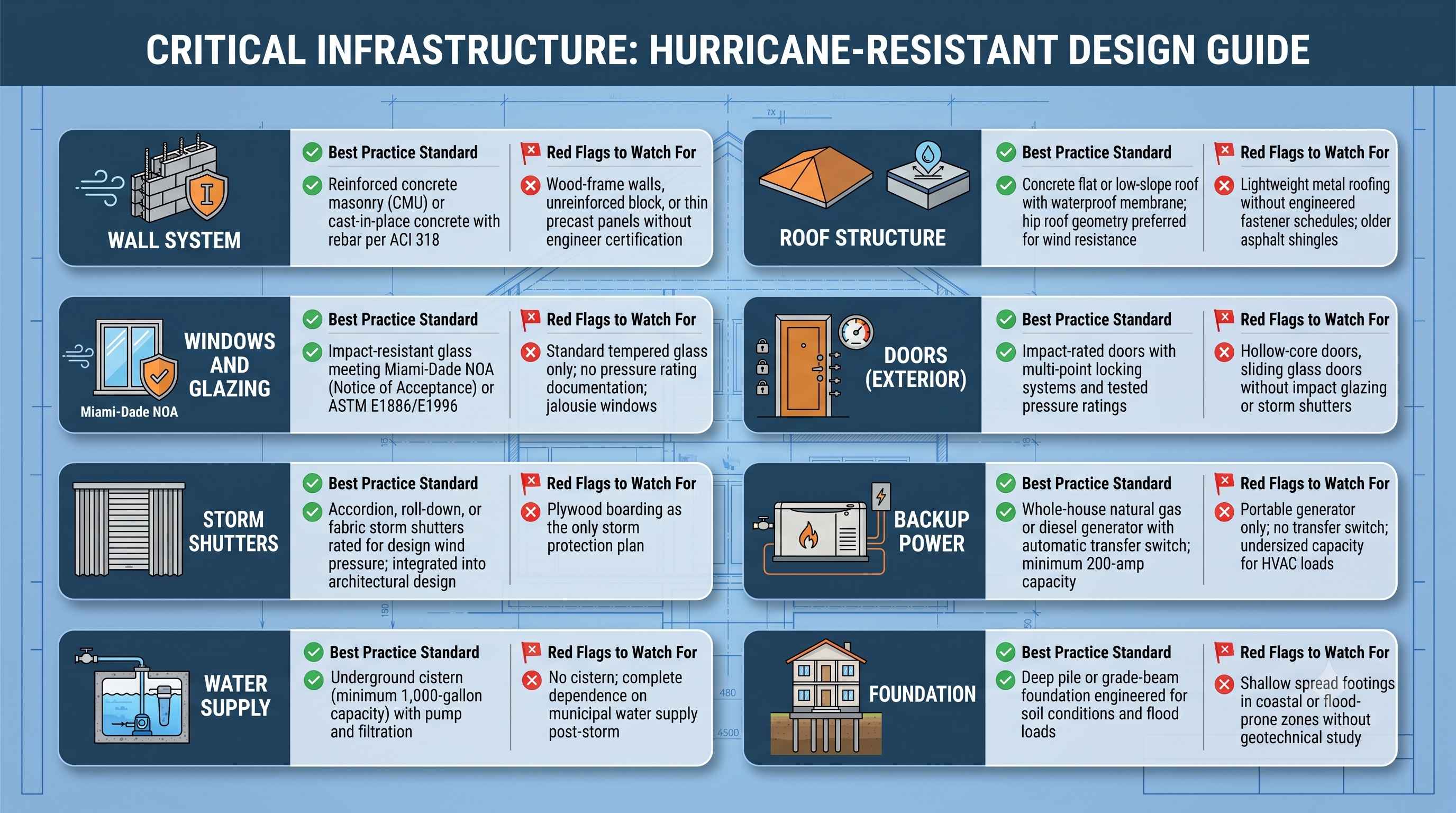
The table below compares the key structural systems you will encounter across Puerto Rico luxury real estate, along with what to look for and what to avoid.
Reinforced Concrete and Insulated Wall Systems
- Standard concrete masonry unit (CMU) walls need vertical and horizontal rebar with grout fill — ask for the structural drawings to confirm bar spacing and grout schedule.
- Some newer Puerto Rico luxury homes use insulated concrete form (ICF) systems, which combine foam insulation with a reinforced concrete core — these perform well in both wind and thermal comfort.
- Insulated concrete wall systems also appear in resort-adjacent developments where energy efficiency and storm resistance are both priorities.
- Post-tensioned concrete slabs add an additional layer of structural continuity — worth asking about in newer construction.
Impact Windows, Doors, and Storm Shutters
- Impact windows and doors in Puerto Rico must carry a Miami‑Dade County Notice of Acceptance (NOA) or meet ASTM E1886/E1996 testing. This is the minimum standard, not a premium feature.
- Pressure ratings on impact glazing come in two categories: Design Pressure (DP) ratings for positive and negative loads — confirm the DP rating matches the design wind speed for the property's location.
- Storm shutters and roof systems Caribbean luxury homes use range from motorized roll-down aluminum to fabric-based systems — all should carry documented wind-load ratings, not just manufacturer marketing claims.
- Large glazed openings (floor-to-ceiling glass walls common in luxury design) require both impact-rated glass and a secondary shutter system for full protection.
- Check that all exterior door frames are anchored directly into the concrete structure, not just into a wood buck or drywall framing.
Roofing Systems and Water Infiltration
- Flat concrete roofs with a built-up or modified bitumen waterproof membrane outperform pitched roofs in hurricane conditions when properly detailed at parapets and drains.
- Roof-to-wall connections are a common failure point — confirm that the structural engineer specified and inspected anchor bolts or strap connections.
- Low-profile, single-story layouts reduce wind uplift exposure and are a deliberate design choice in some of the best-performing storm-resistant villas on the island.
- Roof drains and scuppers need to handle extreme rainfall rates — Puerto Rico can receive 10 to 20 inches of rain in 24 hours during a major storm event.
Backup Power and Water Independence
- A whole-house generator with an automatic transfer switch is a baseline expectation in Puerto Rico luxury real estate — confirm fuel type, tank capacity, and last service date.
- Underground cisterns with a minimum 1,000-gallon capacity allow a household to remain self-sufficient for water for days or weeks after a storm.
- Some luxury developments in communities like Dorado Beach and Bahia Beach have community-level backup power infrastructure — verify whether the property connects to this system or relies solely on its own generator.
- Solar-plus-battery systems (such as Tesla Powerwall installations) appear in newer Puerto Rico luxury homes as a complement to generator backup, not a replacement.
Knowing what to look for in the structure is only part of the process — the other part is knowing how to verify it through proper due diligence.
Buyer Due Diligence: Inspections, Reports, and the Right Questions to Ask

A standard home inspection in Puerto Rico will not tell you whether a luxury property is genuinely hurricane-resilient — it tells you whether the outlets work and if the roof leaks today. Due diligence hurricane inspections Puerto Rico buyers need goes significantly further, and the cost of skipping this step is not abstract. Properties that survived Maria with minimal damage did so because of specific engineering decisions made years earlier, and you need documentation to confirm those decisions were actually made on the home you are considering.
The following steps form a practical due diligence framework for evaluating Puerto Rico luxury properties.
Step-by-Step Due Diligence Checklist
- Order a structural engineering inspection. Hire a licensed Puerto Rico structural engineer (not just a general home inspector) to evaluate the wall system, roof structure, foundation, and all storm-protective elements. Request a written report with specific findings, not a pass/fail summary.
- Request the full permit history. Ask the seller or listing agent for all building permits, including original construction, any additions, and roof or window replacements. Missing permits are a red flag that work may not have been inspected or approved.
- Obtain the Elevation Certificate. Confirm the finished floor elevation relative to the base flood elevation for the specific flood zone the property sits in. This document also affects flood insurance premiums directly.
- Verify impact window and door certifications. Ask for the product specifications and NOA numbers for all impact-rated glazing. Cross-reference these numbers on the Miami-Dade County product approval database to confirm they are legitimate.
- Inspect the generator and cistern. Test the generator under load and review service records. Measure or confirm cistern capacity and inspect the pump and filtration system for condition.
- Review the homeowners association documents (if applicable). In luxury communities like Dorado Beach Estates or Bahia Beach Resort, the HOA may maintain community infrastructure — review what storm-related services and protections are included.
- Check for post-Maria insurance claims. Request a CLUE (Comprehensive Loss Underwriting Exchange) report or ask the seller directly about any storm-related insurance claims and repairs made after 2017. Repairs done without permits are a serious concern.
- Consult a local real estate attorney. Puerto Rico real estate follows a distinct legal framework — a local attorney can review title, easements, and any outstanding municipal violations that could affect the property's compliance status.
Questions to Ask Listing Agents and Developers
- What design wind speed was this structure engineered for, and can you provide the stamped structural plans?
- Were all windows and doors installed with permits and inspected by the municipality?
- What is the generator's rated output in kilowatts, and does it run the entire home including HVAC?
- Has the property ever flooded, and what is the current flood insurance premium?
- For new construction: what insulated concrete or wall system did the developer use, and what third-party inspections occurred during construction?
- For Act 60 luxury properties Puerto Rico buyers specifically: does the property's construction timeline and permit history align with current code requirements, or was it grandfathered under older standards?
Red Flags That Warrant Further Investigation
- A seller who cannot produce original building permits or structural plans for post-2000 construction.
- Windows or doors that lack visible product labels or whose NOA numbers do not appear in official databases.
- A roof that was replaced after Maria, but for which no permit or inspection record exists.
- A property in a VE flood zone with a finished floor at or below the base flood elevation.
- Visible efflorescence (white salt deposits) on concrete walls can indicate water infiltration through the structure.
- A generator that has not been serviced in over 12 months or that cannot carry the home's full electrical load.
Beyond the physical structure, the community context and tax incentive environment also shape how buyers approach Puerto Rico luxury real estate decisions.
Act 60, Luxury Communities, and What the Market Looks Like Now
Act 60 luxury properties in Puerto Rico attract a specific profile of buyer, typically a high‑net‑worth individual relocating from the continental U.S. This buyer wants both favorable tax treatment and a genuinely livable, storm‑resilient primary residence. The Act 60 incentive (formerly Acts 20 and 22) requires bona fide residency in Puerto Rico, which means the home you buy needs to function year-round, not just as a vacation property that gets boarded up before every storm season.
Communities like Dorado Beach, Bahia Beach Resort, and Condado have become the primary markets for this buyer profile, and they differ meaningfully in how hurricane resilience is built into the development framework.
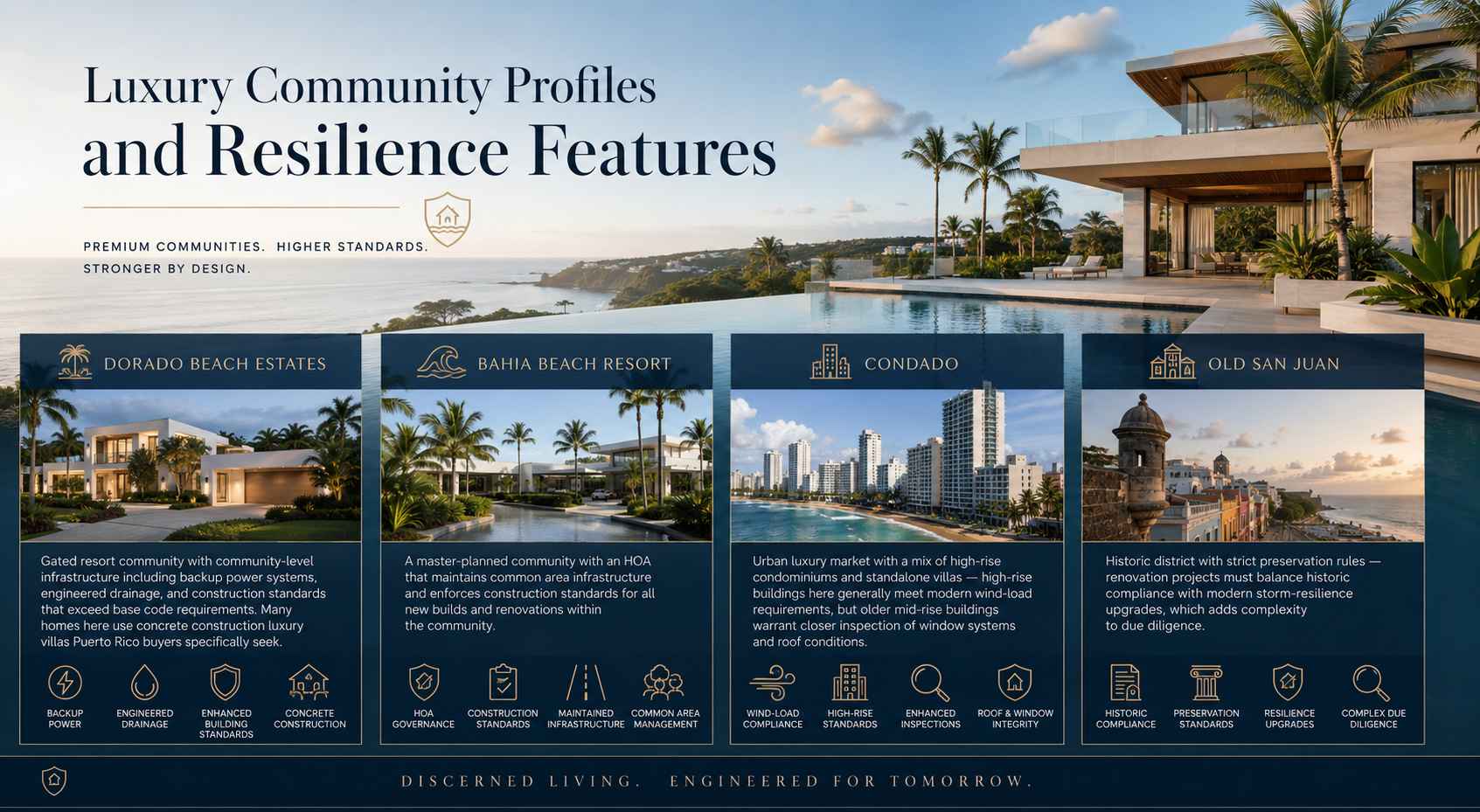
Luxury Community Profiles and Resilience Features
- Dorado Beach Estates: Gated resort community with community-level infrastructure including backup power systems, engineered drainage, and construction standards that exceed base code requirements. Many homes here use concrete construction luxury villas Puerto Rico buyers specifically seek.
- Bahia Beach Resort: A master-planned community with an HOA that maintains common area infrastructure and enforces construction standards for all new builds and renovations within the community.
- Condado: Urban luxury market with a mix of high-rise condominiums and standalone villas — high-rise buildings here generally meet modern wind-load requirements, but older mid-rise buildings warrant closer inspection of window systems and roof conditions.
- Old San Juan: Historic district with strict preservation rules — renovation projects must balance historic compliance with modern storm-resilience upgrades, which adds complexity to due diligence.
Since Hurricane Maria, Puerto Rico’s luxury real estate market has placed much greater emphasis on resilient construction and storm‑hardening, particularly in communities that attract Act 60 buyers and international investors. Buyers now ask more pointed questions about building standards and backup systems, and new luxury developments are more likely to document code compliance and hurricane‑resilience features in their marketing.
Puerto Rico Luxury Properties for Rent
If you want to experience a hurricane-resilient luxury home in Puerto Rico before committing to a purchase, exploring luxury properties for rent through a qualified brokerage gives you a direct, practical way to evaluate construction quality, community infrastructure, and livability firsthand. Christie's International Real Estate Puerto Rico curates a portfolio of Puerto Rico luxury properties that meet the structural and lifestyle standards this guide describes.
Below are four featured listings that reflect what genuine luxury resilience looks like across the island's top markets.
Luxury Proprties for Rent
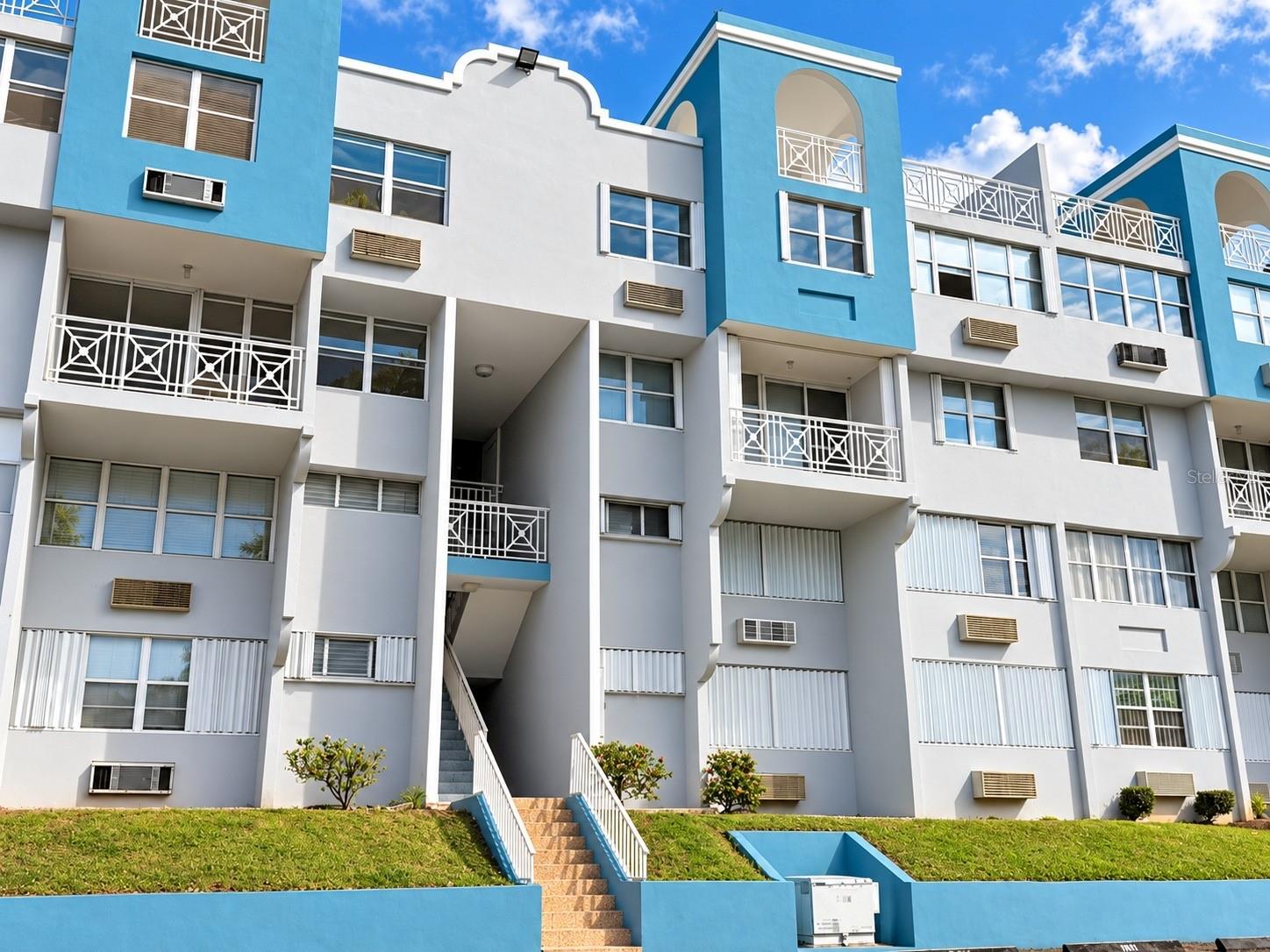
403 VEREDAS DE PARQUE ESCORIAL, CAROLINA, PR 00987
This 1,427.60-square-foot, three-level penthouse in Veredas del Parque Escoria offers three bedrooms, two-and-a-half bathrooms, a private rooftop terrace with gazebo and views of Isla Verde, two parking spaces, and community amenities including a pool, sports courts, and gated security.

25 Munoz Rivera Ave Unit: 614, San Juan, PR 00901, Puerto Rico
This fully furnished designer residence at Bahia Plaza in Paseo Caribe offers an expansive open floor plan, Atlantic Ocean and Condado Lagoon views, a spacious terrace, dual walk-in closets, and access to a pool, gym, and tropical residents’ lounge.
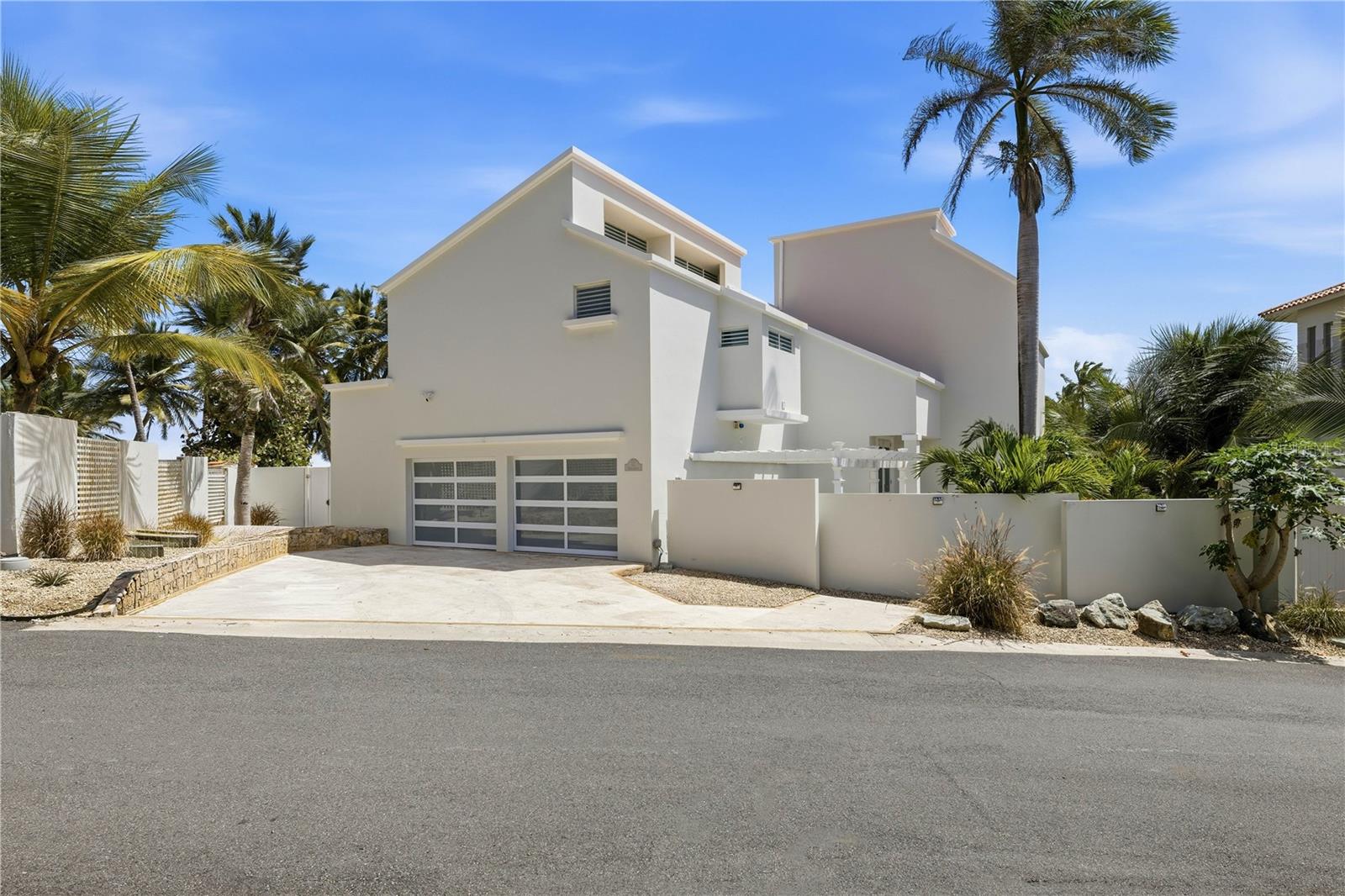
32 SHELL CASTLE HUMACAO PR, 00791
32 Shell Castle is a refined five-bedroom oceanfront residence in Palmas del Mar offering approximately 5,500 square feet, panoramic sea views, expansive terraces, a beachfront pool, solar panels, Tesla Powerwall backup and access to premier resort amenities.

A Street Villa Caparra #A-13, Guaynabo, PR 00966
Located in the established Villa Caparra neighborhood of Guaynabo, this property offers proximity to San Juan's business and cultural centers within a well-maintained residential community. Its concrete construction and thoughtful site positioning reflect the building principles that define Puerto Rico hurricane resistant homes at this price point.
.jpeg)
904 Villa Dorado Estates, Dorado, PR 00646
Set within Dorado's most sought-after residential enclave, this estate-level property delivers the community infrastructure and construction standards that Act 60 luxury properties Puerto Rico buyers specifically seek. Villa Dorado Estates combines resort-adjacent living with the kind of structural resilience that makes year-round primary residence practical and secure.
Final Thoughts for Serious Buyers
Buying a luxury home in Puerto Rico requires more than reviewing finishes and location. Serious buyers should verify wind-load standards, flood elevation, impact protection, backup systems, and permit documentation before making an offer. The safest purchases are properties where hurricane resilience is proven through engineering, records, and real-world due diligence.
Whether you want to buy, sell, or rent a luxury property in Puerto Rico, expert local guidance is essential. Christie’s International Real Estate Puerto Rico helps clients evaluate premium homes, hurricane-resilient features, and the island’s most desirable luxury communities. Contact our team today to explore Puerto Rico luxury properties built for lifestyle, comfort, and long-term confidence.
FAQs
How can I verify a home’s hurricane claims if the seller has limited paperwork?
Ask for contractor invoices, product submittals, and municipal inspection receipts, then have a structural engineer confirm conditions on-site (roof-to-wall connections, rebar/grout patterns where visible, and opening protections). If documentation can’t be reconstructed, price the uncertainty into your offer or require corrective work/escrows.
Do condos and high-rises require different hurricane due diligence than single-family villas?
Yes—review the building’s association records for façade/window replacement history, waterproofing and roof maintenance, generator capacity for common elements (elevators, pumps), water storage, and any special assessments tied to resilience upgrades. Your engineer should evaluate common-area vulnerabilities, not just the unit.
What should I budget annually to maintain hurricane-resilient systems in a luxury home?
Plan for annual costs, including generator servicing, storm shutter maintenance, roof membrane inspections, sealant replacement, hardware checks, and cistern or pump cleaning. The exact budget depends on the home’s size, location, exposure, and systems, but luxury homeowners should expect to set aside several thousand to tens of thousands of dollars per year. A pre-purchase hurricane-readiness inspection can help estimate the true annual maintenance cost before buying.



.png)