LEED homes in Puerto Rico can lower resource use and improve resilience or indoor comfort, but certification cost and operating savings depend heavily on the specific property, its equipment, its location, and whether it started as new construction or a renovation. Buyers in Puerto Rico's luxury market frequently ask about "green" premiums without getting a clear answer, largely because the data gets lumped into vague eco-luxury marketing language instead of project-level facts.
This article walks through Puerto Rico's documented LEED residential projects, breaks down what certification actually costs line by line, and lays out the operating trade-offs buyers need before paying a premium for the label.
Key Takeaways
- Puerto Rico has one confirmed LEED Platinum home, Casa Mar Azul in Isabela.
- LEED registration and certification fees total roughly $375–$525 combined, before design and verification costs.
- Operating savings come mainly from insulation and solar-plus-storage, not the certification label.
- Some Puerto Rico builders skip formal certification while still building to high-performance standards.
- Certification pays off most in eco-luxury markets where buyers value the label itself.
Puerto Rico Has Documented LEED Residential Projects, but Savings Are Property-Specific
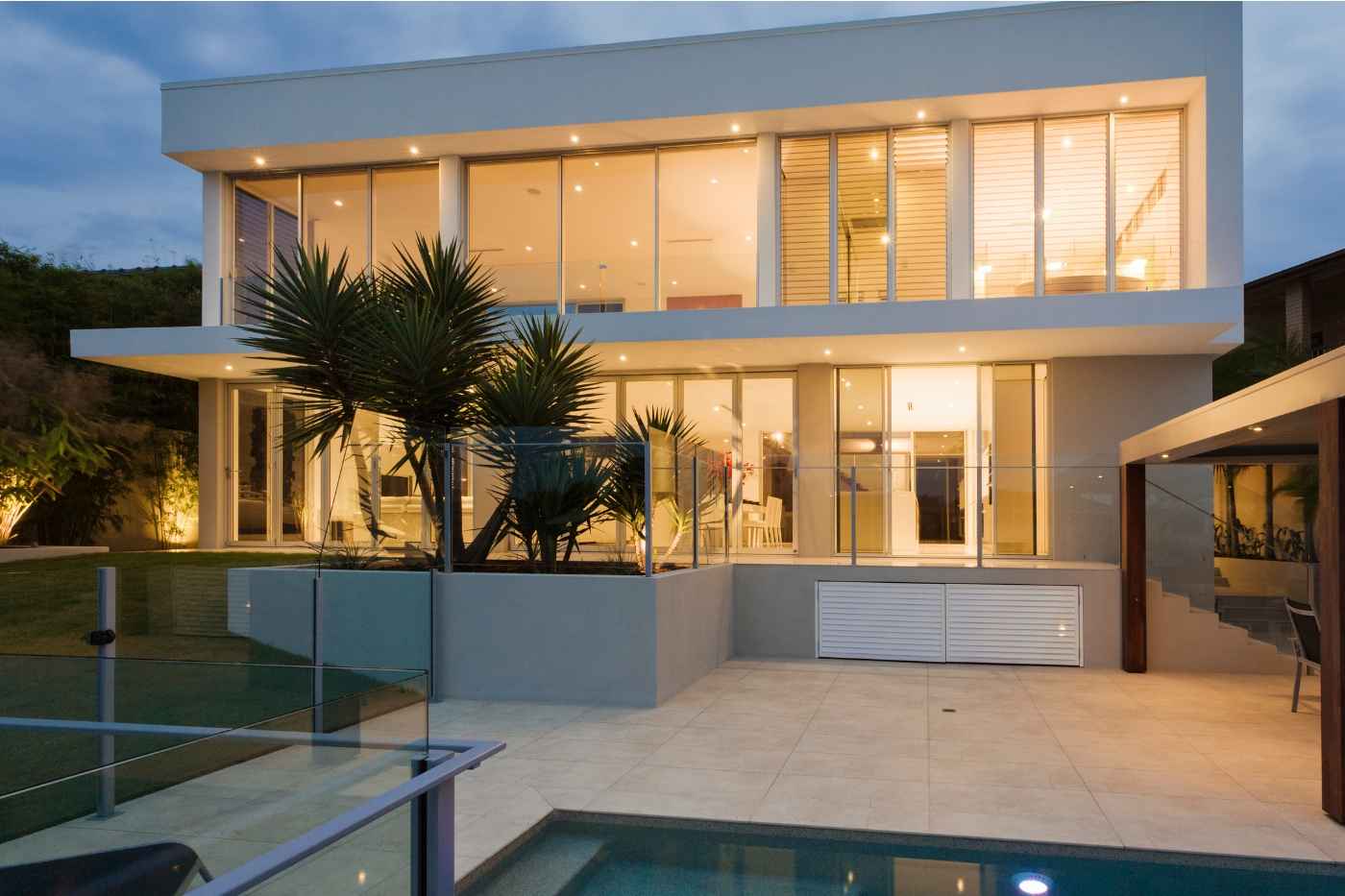
Puerto Rico's LEED residential track record is narrow, and no single project's savings transfer automatically to another home. The most cited example, Casa Mar Azul in Isabela, is reported as the first single-family residence in Puerto Rico and the Caribbean to reach LEED Platinum, built from three shipping containers with energy-efficient systems, water conservation measures, and recycled materials.
That project's performance numbers reflect its container envelope and 2022 completion date, not what a buyer should assume for a poured-concrete Dorado villa or a 1930s Old San Juan townhouse conversion. In Puerto Rico's north coast luxury segment, properties that actually deliver on efficiency claims tend to combine solar, rainwater harvesting, and smart-home energy management with resilient construction. The lesson for buyers: ask for the specific home's energy model and utility history, not a general LEED reputation.
Casa Mar Azul: What LEED Platinum Actually Looked Like on the Ground
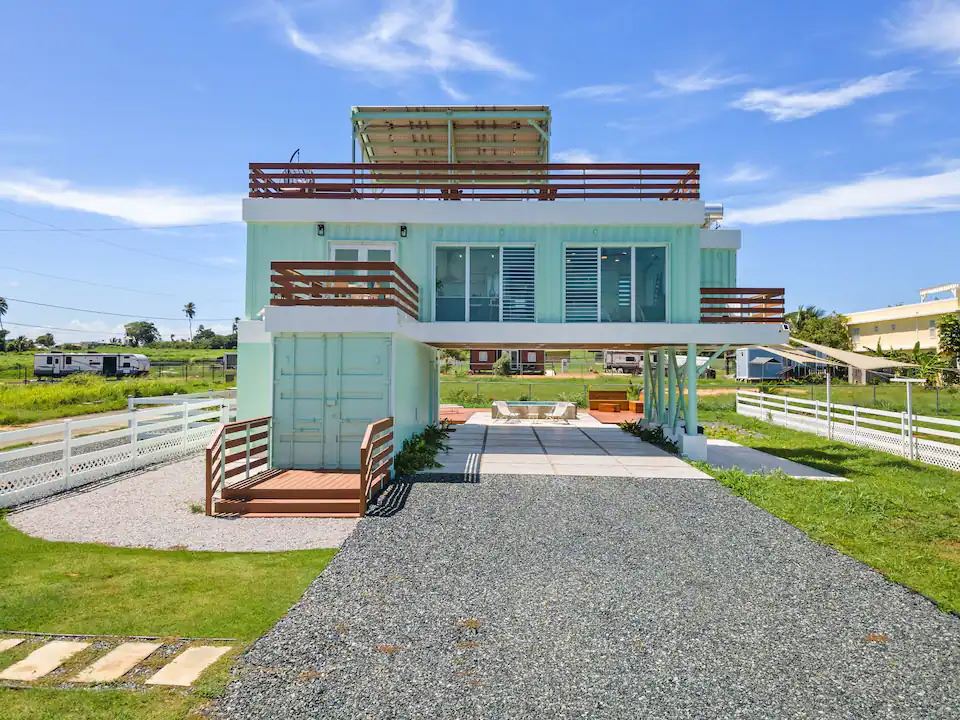
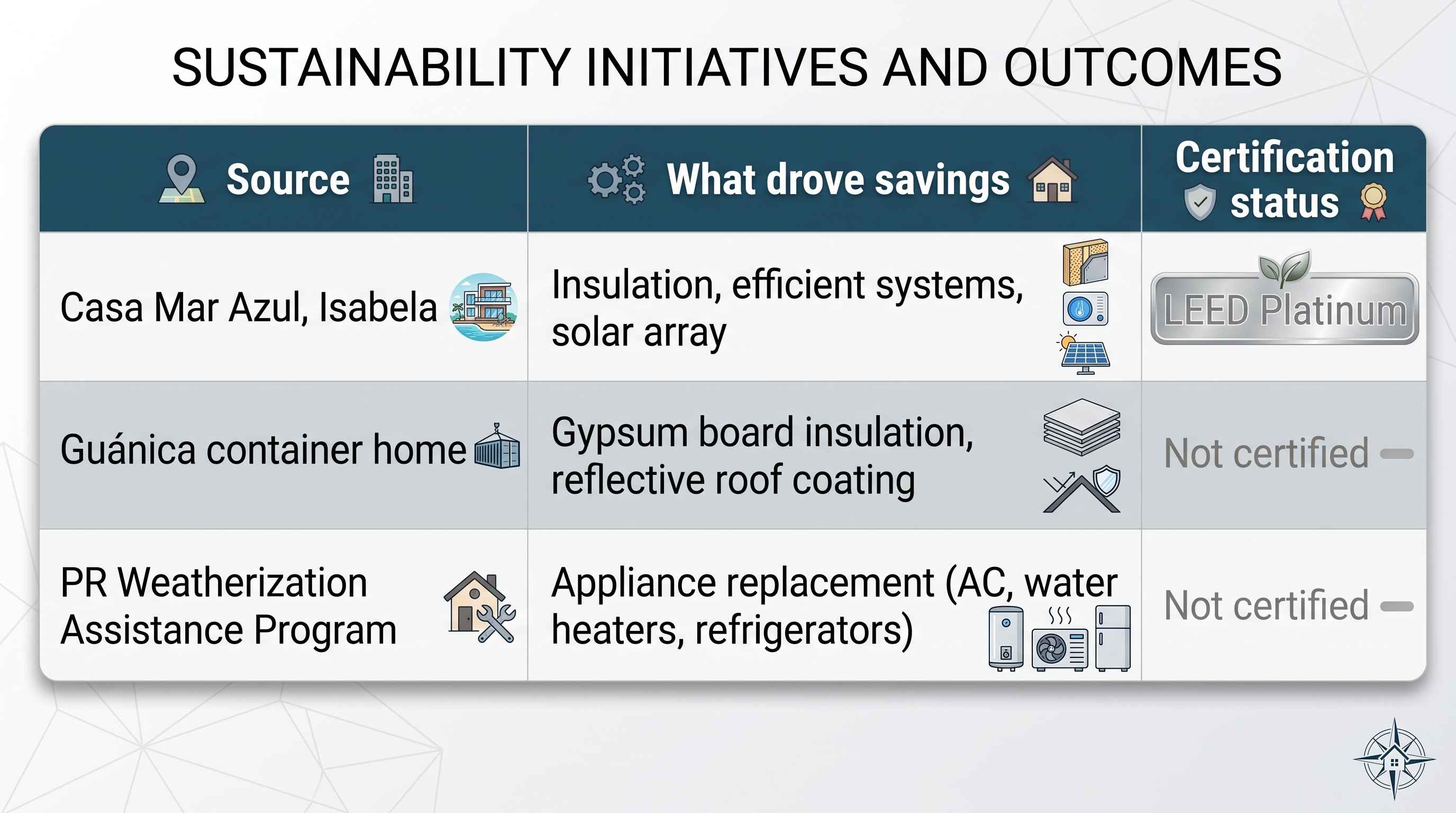
Casa Mar Azul earned its Platinum rating through a combination of an efficient building envelope, a compact three-bedroom footprint, and systems chosen specifically for hurricane-prone coastal conditions in Isabela. According to the project's builder, KONTi Design, the build relied on efficient systems, insulation, and a solar array intended to reduce ongoing electricity costs, though the shipping-container envelope carried a higher upfront cost than conventional construction.
Eco-luxury positioning matters far more to a niche segment of the market than to the average buyer comparing two similar homes on price per square foot. That split shows up across the north coast market generally: relocating mainland buyers tend to ask pointed questions about certification and energy modeling, while long-time island buyers more often ask about generator capacity and cistern size.
Breaking Down LEED Home Certification Costs Line by Line
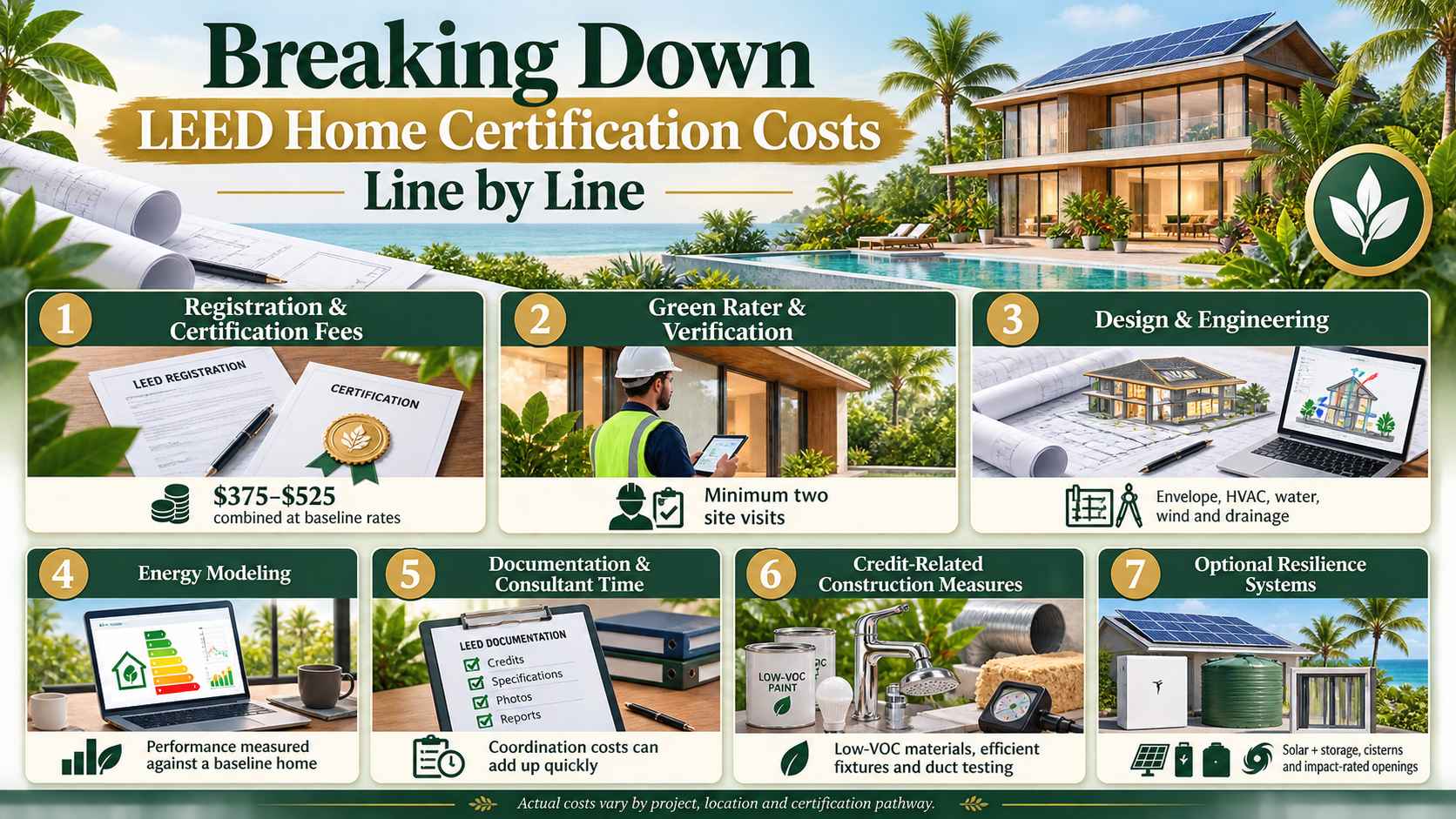
LEED certification costs for a Puerto Rico home is not one number; it's a stack of separate line items that vary by project size, pathway, and how much of the design work happens before ground breaks. As of USGBC's current published fee schedule, single-family home registration runs $150 (USGBC members) to $225 (non-members) for 1–25 homes, and certification runs $225 to $300 per home—plus additional fees charged separately by the third-party verification team, which USGBC does not include in its base pricing. These are national baseline figures, not Puerto Rico-specific numbers.
Those USGBC fees are only the starting point. A fuller LEED home certification cost estimate for a Puerto Rico luxury project usually includes:
- Registration and certification fees paid to USGBC, roughly $375–$525 combined at baseline rates, before any project-specific adjustments.
- LEED Green Rater or verification fees, covering the third-party inspector who confirms the home meets its claimed credits — USGBC's residential certification guide requires a minimum of two site visits, one after insulation is installed but before drywall, and one at project completion.
- Design and engineering costs tied to envelope performance, HVAC sizing, and water systems, which run higher for coastal or hillside sites with wind-load or drainage challenges.
- Energy modeling, which documents projected performance against a baseline home and is required for several LEED for Homes credit categories.
- Documentation and consultant time, often the least visible cost but one that adds up fastest on custom architecture.
- Construction measures tied directly to credits, such as low-VOC materials, water-efficient fixtures, and third-party duct testing.
- Optional resilience systems, including solar-plus-storage, cisterns, and impact-rated openings, which support both LEED credits and hurricane readiness but sit outside the base certification fee.
A homeowner describing a non-Puerto Rico LEED Gold home certification in a December 2023 r/LEED thread reports the process took four to five months from post-construction submission to final certification. Their experience suggests the timeline holds even for straightforward, sustainability-minded builds—sustainability should ideally be designed in from the outset rather than retrofitted, since it's difficult to adjust an off-the-shelf plan after the fact.
Where Buyers and Builders Get LEED Cost Assumptions Wrong
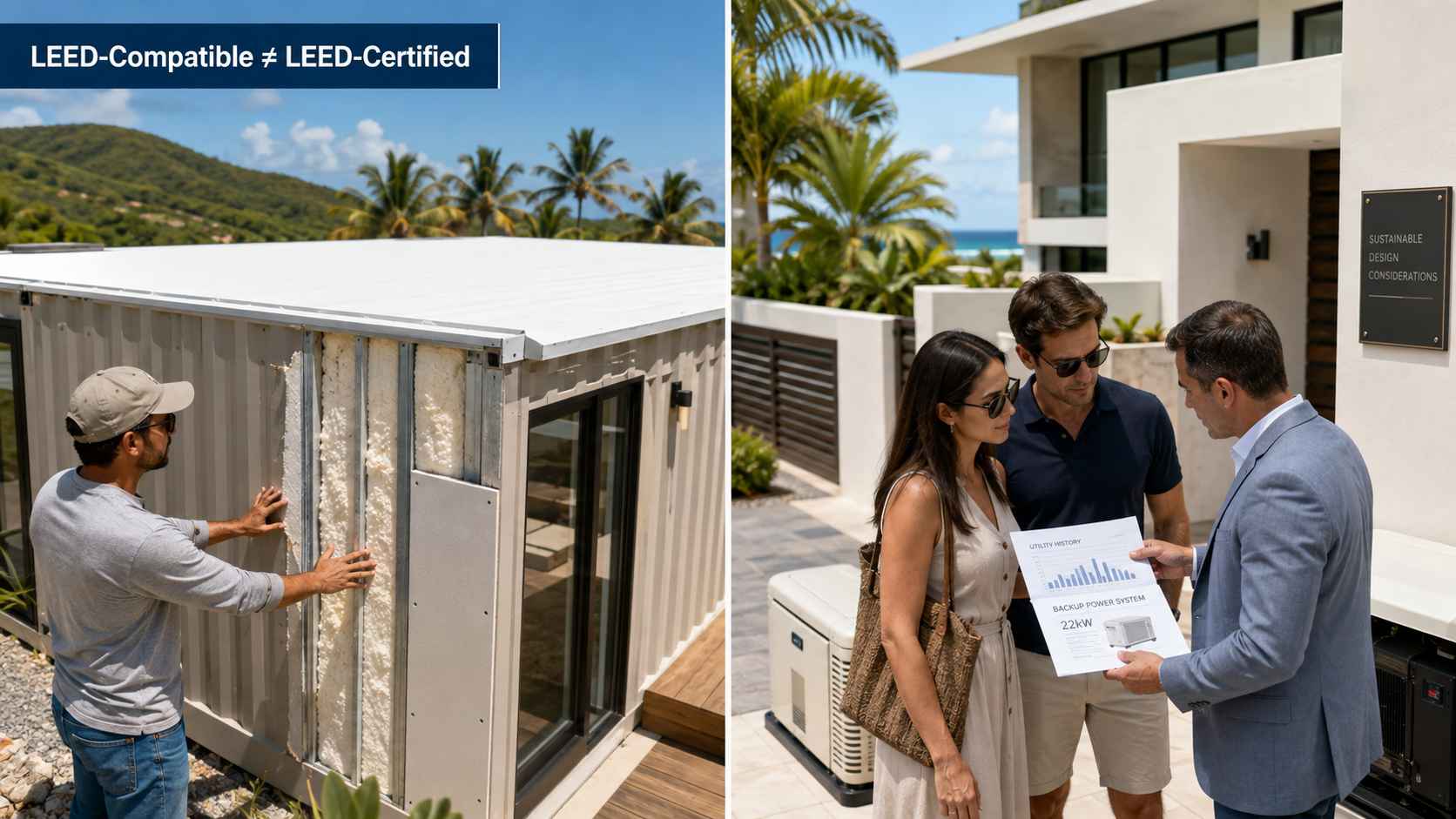
The most common mistake seen in Puerto Rico's residential green-building conversations is treating LEED-compatible design and formal LEED certification as the same thing, as the examples below illustrate.
Builders Who Skip Certification on Purpose
An owner of a highly insulated container home in Guánica used 3/4-inch gypsum board insulation throughout and white reflective roof coating instead of pursuing formal certification, noting in an online discussion that these choices measurably reduced indoor heat.
Buyers Who Overvalue the Label
That pattern holds across Dorado and Condado transactions generally: buyers tend to negotiate hardest over documented utility bills and generator capacity, not certification plaques, though the plaque still helps at the listing stage when marketing to relocating US mainland buyers who recognize the LEED name.
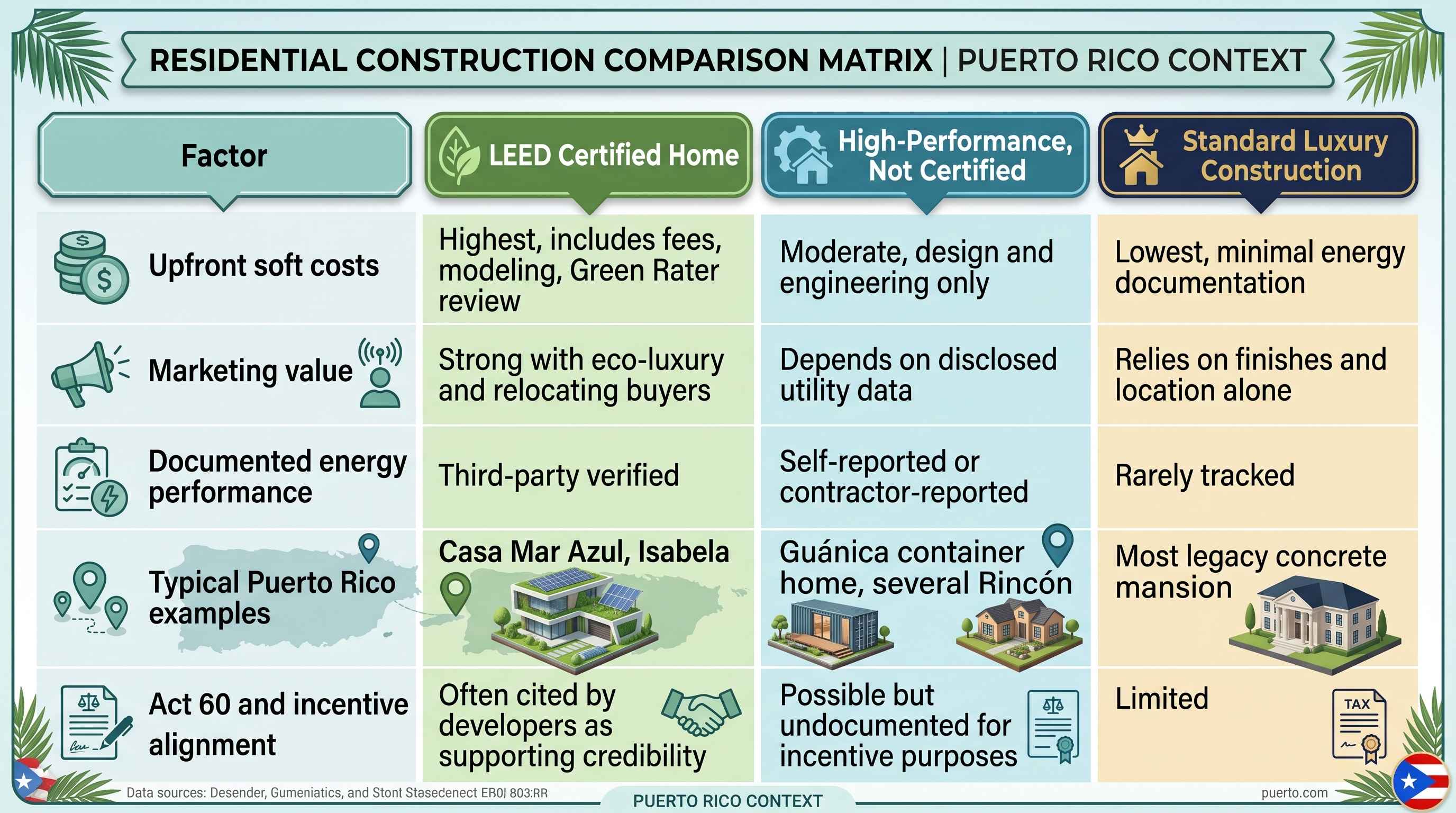
LEED Certified vs High-Performance Non-Certified vs Standard Luxury Construction
The table below compares these three approaches based on the sourced examples above and the listings referenced throughout this article.
Operating Savings: What Changes on the Utility Bill and What Doesn't
Operating savings on a LEED or high-performance Puerto Rico home come almost entirely from envelope quality, HVAC sizing, and solar offset, not from the certification process itself.
- The Casa Mar Azul owner's account in the September 2023 r/container_homes thread ties lower electricity bills specifically to insulation and efficient systems, with solar reducing grid draw further.
- The Guánica owner reports drastically reduced AC usage from passive cooling and envelope design, achieved without pursuing LEED at all.
- Puerto Rico's Weatherization Assistance Program, which focuses on appliance efficiency rather than certification, reported $137,136 in combined annual energy savings across 336 low-income households from replacing air conditioners, water heaters, and refrigerators alone — evidence that envelope and appliance efficiency drive savings independent of any certification label.
None of these sources publish a universal savings percentage, and neither should this article. An honest estimate requires the home's actual utility history, solar system size, and insulation specification, which is exactly what a qualified inspector or energy modeler should provide before closing on any eco-luxury listing in Dorado or on the north coast.
Resilience Systems That Matter More Than the Plaque

Hurricane resilience, not the certification badge, is what most Puerto Rico buyers actually pay for when they say they want a "green" home. Puerto Rico's own green-building framework reflects this priority directly.
What Local Regulation Emphasizes
Government-backed guidance, including the green building standard checklist published by Puerto Rico's housing recovery office, requires new or substantially damaged residential projects funded through recovery programs to meet recognized standards such as LEED, ENERGY STAR, or Enterprise Green Communities. That requirement grew directly out of post-hurricane rebuilding needs rather than a general market push toward sustainability branding.
Systems Worth the Premium
- Solar-plus-storage sized for extended outages, not just daytime offset
- Cisterns and rainwater harvesting for water security during grid disruptions
- Impact-rated windows and doors, which factor into both resilience and insurance underwriting
- Passive cooling and envelope sealing, which reduce AC dependence during long outages
Anecdotally, buyers touring Dorado Beach and Palmas del Mar properties increasingly ask about backup power capacity alongside — and sometimes ahead of — finishes, pool design, or ocean frontage. That shift in priorities tracks with what the Reddit and BiggerPockets sources describe: resilience sells, and certification helps mainly when it's paired with visible resilience infrastructure.
Puerto Rico Luxury Properties for Sale
Buyers weighing LEED credentials against real operating value need a brokerage that can verify utility history, energy systems, and resilience infrastructure property by property, not just repeat marketing language. Christie's International Real Estate Puerto Rico works directly with architects, raters, and property managers across Dorado, Condado, and the north coast to confirm exactly what a listing's green features actually deliver before a buyer commits.
Below are current luxury properties for sale that reflect a range of construction quality, resilience features, and locations worth comparing against the cost and savings data above.
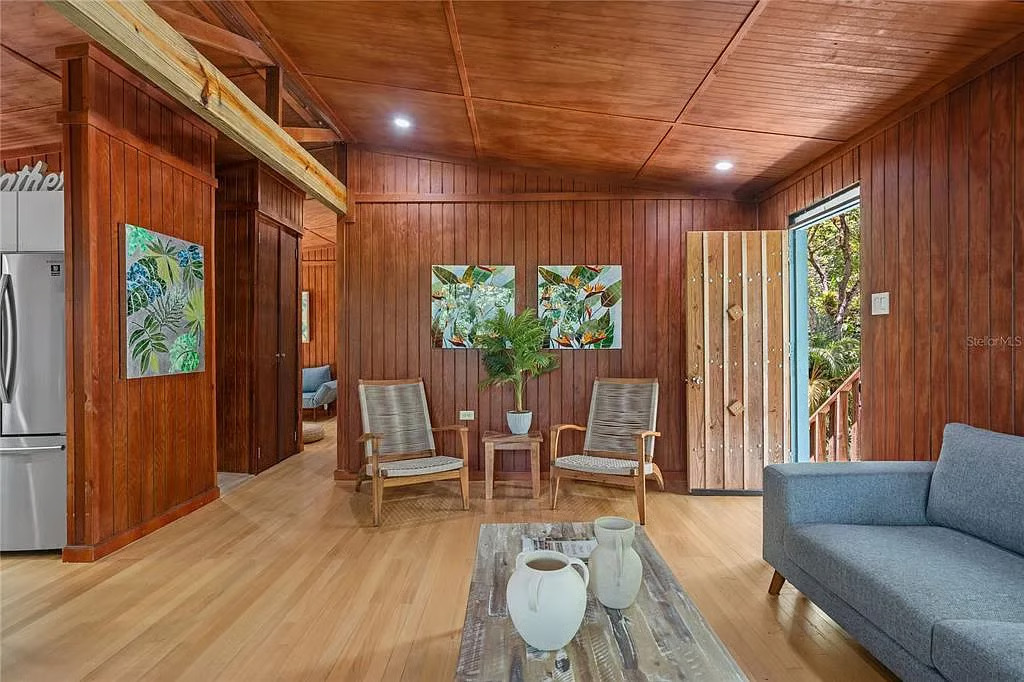
Guavate 184 Bo, Cayey, PR 00736
This mountain-region property offers privacy and elevation away from coastal flood risk, an increasingly relevant factor for buyers prioritizing resilience over beachfront exposure. Its setting suits buyers interested in land, agricultural potential, or a retreat-style estate outside San Juan's dense coastal corridor.
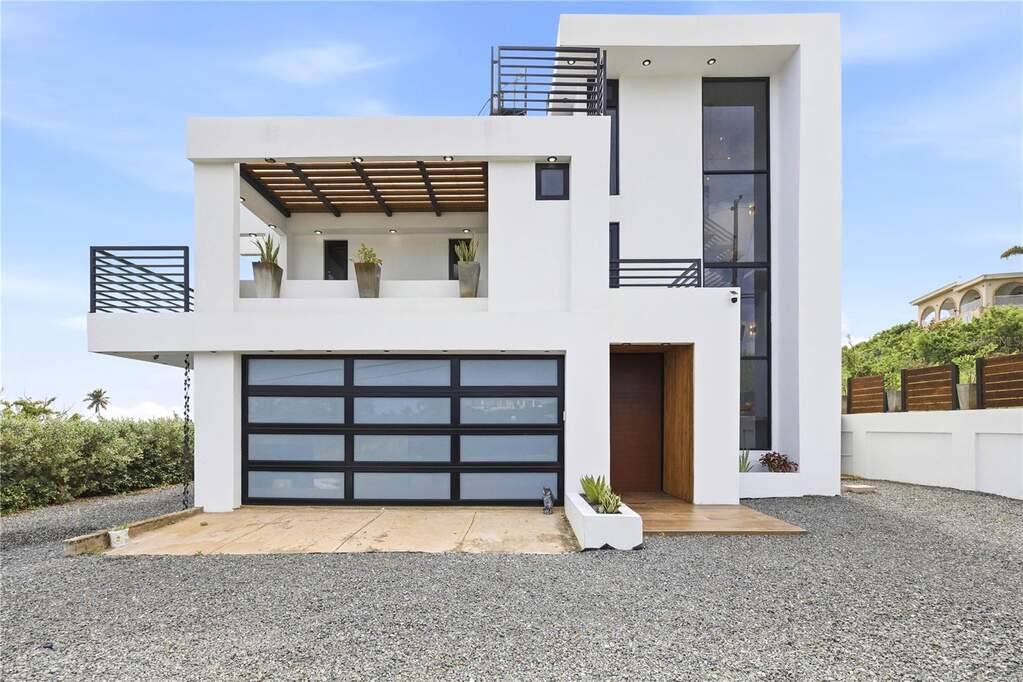
Bo. Membrillo Solar 1, Camuy, PR 00627
Located on Puerto Rico's north coast near Camuy's karst landscape, this property appeals to buyers seeking a quieter alternative to Dorado with strong natural surroundings. The area's terrain and lower density make it a compelling option for buyers who want space and privacy without giving up proximity to the coast.
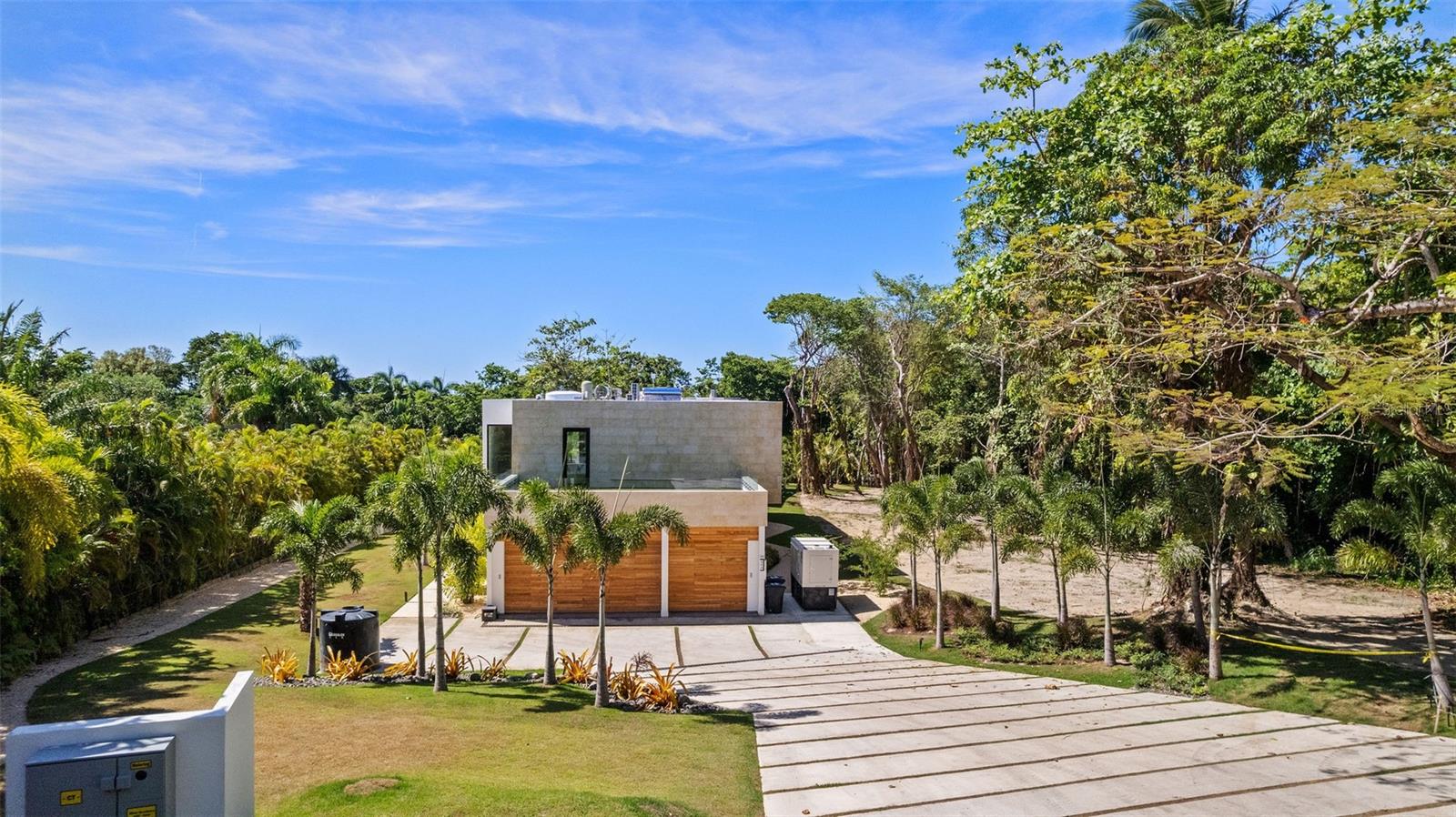
904 Villa Dorado Estates, Dorado, PR 00646
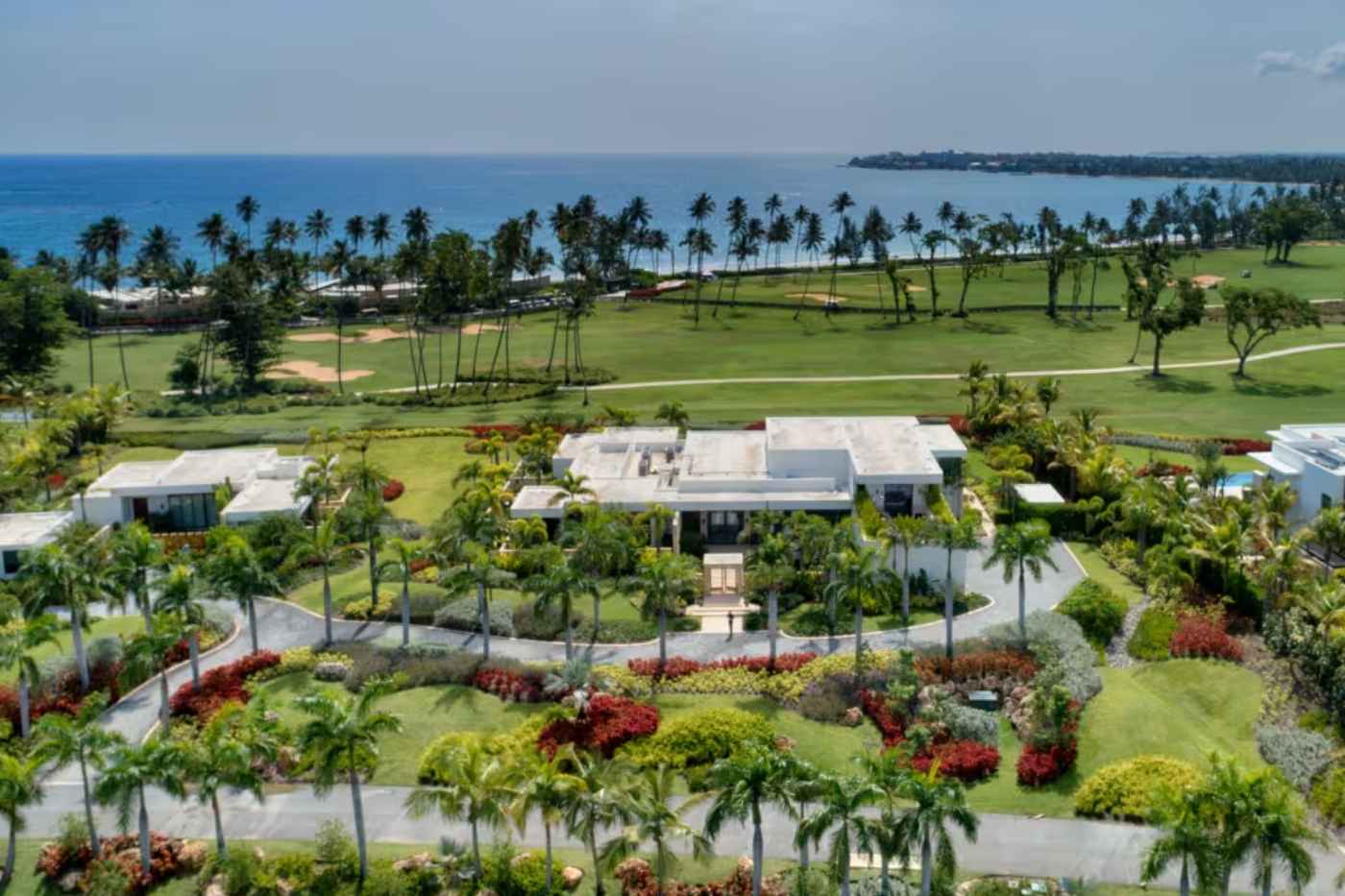
This newly built 2026 estate spans 9,069 square feet with 6 bedrooms, 9 bathrooms, and 6 garage spaces on a 1.3-acre lot, priced at $19,995,000. As new construction in Dorado, it's the type of property where a buyer can request the actual energy model, insulation specs, and solar-readiness documentation upfront, rather than relying on a general "eco-luxury" label after the fact.
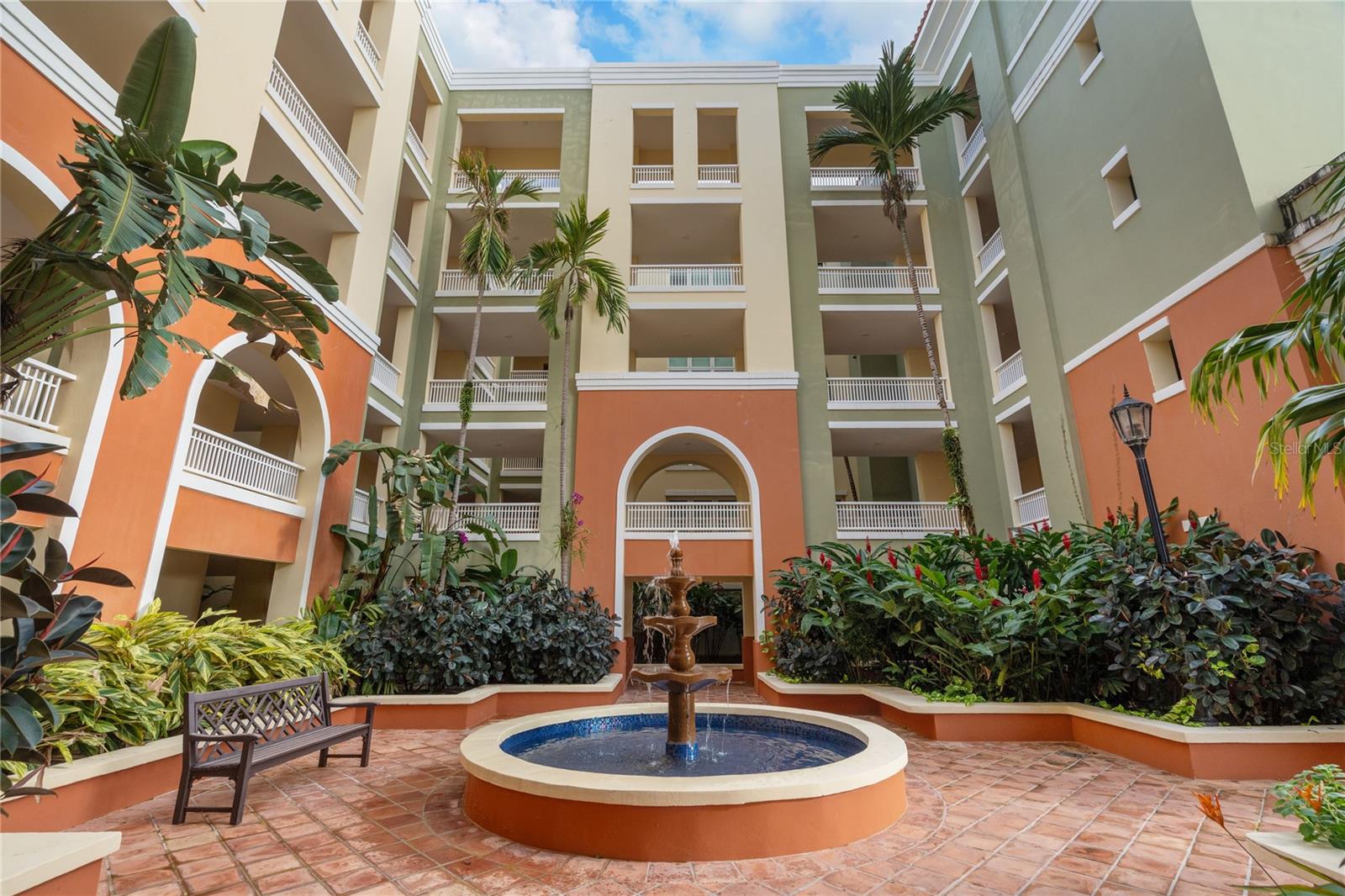
500 Ocean Drive #553, Palmas del Mar, Humacao, PR 00791
This 2,650-square-foot Mediterranean-style condo in Palmas del Mar offers 4 bedrooms, 4 bathrooms, and golf-course, mountain, and water views, listed at $1,995,000. Built in 2005 with a concrete roof, gated security, and full resort amenities including a fitness center and pool, it suits buyers prioritizing established infrastructure and community resilience features over new-build green certifications.
Conclusion
LEED certification in Puerto Rico delivers real value in specific circumstances — a documented Platinum project exists, verified fee schedules are transparent, and resilience-focused upgrades measurably cut energy costs—but the label itself isn't what drives savings. Buyers evaluating luxury properties in Puerto Rico should request the property's actual energy model, utility history, and equipment specs rather than relying on eco-luxury marketing language alone. The properties worth paying a premium for are the ones where documentation backs the claim, not the ones where a plaque stands in for it.
Whether you're buying, selling, or renting luxury properties in Puerto Rico, work with a brokerage that verifies energy systems and resilience infrastructure before you close, not after. Christie's International Real Estate Puerto Rico confirms exactly what a listing delivers across Dorado, Condado, Palmas del Mar, and the north coast. Contact our team today to explore current listings or get a property-specific evaluation.
FAQs
Does LEED certification lower home insurance premiums in Puerto Rico?
Nationally, several major carriers—including Travelers and Fireman's Fund—offer LEED-certified homeowners discounts of roughly 5%, translating to about $100–$250 in annual savings depending on coverage level and home value.
These discounts require documented proof of certification submitted directly to the insurer, and Puerto Rico buyers should confirm with their specific carrier whether a green-home discount applies locally, since named-storm and flood coverage are typically separate policies from standard hazard insurance on the island.pennypincher+2
Are there financing programs for energy-efficient homes in Puerto Rico?
Yes — Programa EcoHogar, Puerto Rico's first residential energy efficiency loan program, offers low-interest financing for solar water heaters, high-efficiency air conditioning, and solar-plus-battery systems, funded through a U.S. Department of Energy grant administered by Puerto Rico's Department of Economic Development and Commerce.
The program requires an energy efficiency evaluation first, which is free for income-qualified households, and separately, U.S. buyers can explore FHA Energy Efficient Mortgage options that finance green upgrades into the home loan itself.
Does Act 60 offer tax incentives specifically for green energy systems on residential property?
Act 60's Chapter 7 (Green Energy) provides a 4% fixed income tax rate on income from renewable energy activities, along with property tax exemptions of up to 100% for qualified green energy projects and a 100% sales-and-use-tax exemption on renewable energy equipment. These benefits require a formal grant approved through Puerto Rico's Office of Incentives and apply specifically to income and property tied to renewable energy activities, not to a home's overall value simply for having solar panels installed.


.png)


.png)