Buying pre-construction luxury homes in Puerto Rico offers 15-20% discounts compared to completed properties while securing prime inventory before the market opens. This approach carries higher developer and market risks but provides unmatched customization opportunities and potential tax advantages for Act 60 investors.
In this article, you will learn exactly how to navigate the end-to-end process of purchasing off-plan luxury properties in Puerto Rico's most exclusive markets.
Key Takeaways
- Pre-construction homes can offer early access to prime luxury inventory.
- Developer due diligence is critical before signing any contract.
- Dorado, Condado, and Rincón offer strong opportunities in the luxury market.
- Act 60 planning may strengthen the value of a well-structured purchase.
- Christie's International Real Estate Puerto Rico can guide buyers, sellers, and renters through the process.
The Complete Pre-Construction Buying Process in Puerto Rico

Pre-construction luxury home purchases in Puerto Rico follow a structured five-phase process that begins with comprehensive project evaluation and ends with property handover. Each phase contains specific milestones, documentation requirements, and decision points that determine investment success. Understanding this process allows buyers to secure the best units while minimizing risks associated with off-plan purchases.
The timeline typically spans 18-36 months from initial reservation to completion, depending on project complexity and permitting requirements.
Phase 1: Project Discovery and Initial Vetting
- Research active luxury developments through exclusive broker networks.
- Review architectural plans, renderings, and specification sheets.
- Analyze location advantages and infrastructure development plans.
- Assess the developer's reputation and previous project deliveries.
- Compare pricing against similar completed properties in the area.
Phase 2: Reservation and Due Diligence Period
- Submit the reservation deposit (typically $10,000- $50,000 for luxury units).
- Secure 30-60-day due diligence period for a detailed investigation.
- Conduct legal review of project permits and zoning compliance.
- Verify developer financial capacity and construction bonding.
- Negotiate unit selection, floor plans, and upgrade options.
Phase 3: Contract Execution and Payment Structure
- Finalize purchase agreement with completion guarantees and penalty clauses.
- Structure the payment schedule to align with construction milestones.
- Establish escrow accounts for deposit protection.
- Define specification change procedures and cost adjustments.
- Include Act 60 compliance language if applicable for tax benefits.
Phase 4: Construction Monitoring and Milestone Payments
- Track construction progress through regular site visits and updates.
- Release milestone payments upon verified completion of each stage.
- Review and approve any specification modifications or upgrades.
- Coordinate pre-delivery inspections and punch list items.
- Arrange financing pre-approval for final payment if needed.
Phase 5: Pre-Delivery and Handover
- Conduct a comprehensive property inspection with developer representatives.
- Verify all contracted specifications and upgrade installations.
- Complete final payment and mortgage funding if applicable.
- Execute deed transfer and property registration.
- Obtain occupancy permits and utility connections.
Moving from process understanding to practical implementation requires careful evaluation of specific developers and projects available in Puerto Rico's luxury markets.
Developer Due Diligence and Risk Assessment

Developer evaluation represents the most critical factor in pre-construction success, as project completion depends entirely on their financial stability and execution capability. Puerto Rico's luxury development landscape includes established international firms, local boutique developers, and resort-branded projects, each carrying different risk profiles. Thorough due diligence involves examining track records, current project portfolios, and financial backing to build confidence in delivery.
The island's regulatory environment requires developers to navigate complex permitting processes that can significantly impact timelines and costs.
Financial Stability Indicators
- Review audited financial statements for the past three years.
- Verify construction bonding and completion insurance coverage.
- Assess current debt levels and project financing arrangements.
- Examine cash flow projections and pre-sale requirements.
- Investigate any pending litigation or regulatory issues.
Track Record Analysis
- Document previous luxury projects completed on time and on budget.
- Interview past buyers about delivery quality and customer service.
- Evaluate construction quality standards and material specifications.
- Review warranty programs and post-delivery support services.
- Assess market reputation among local real estate professionals.
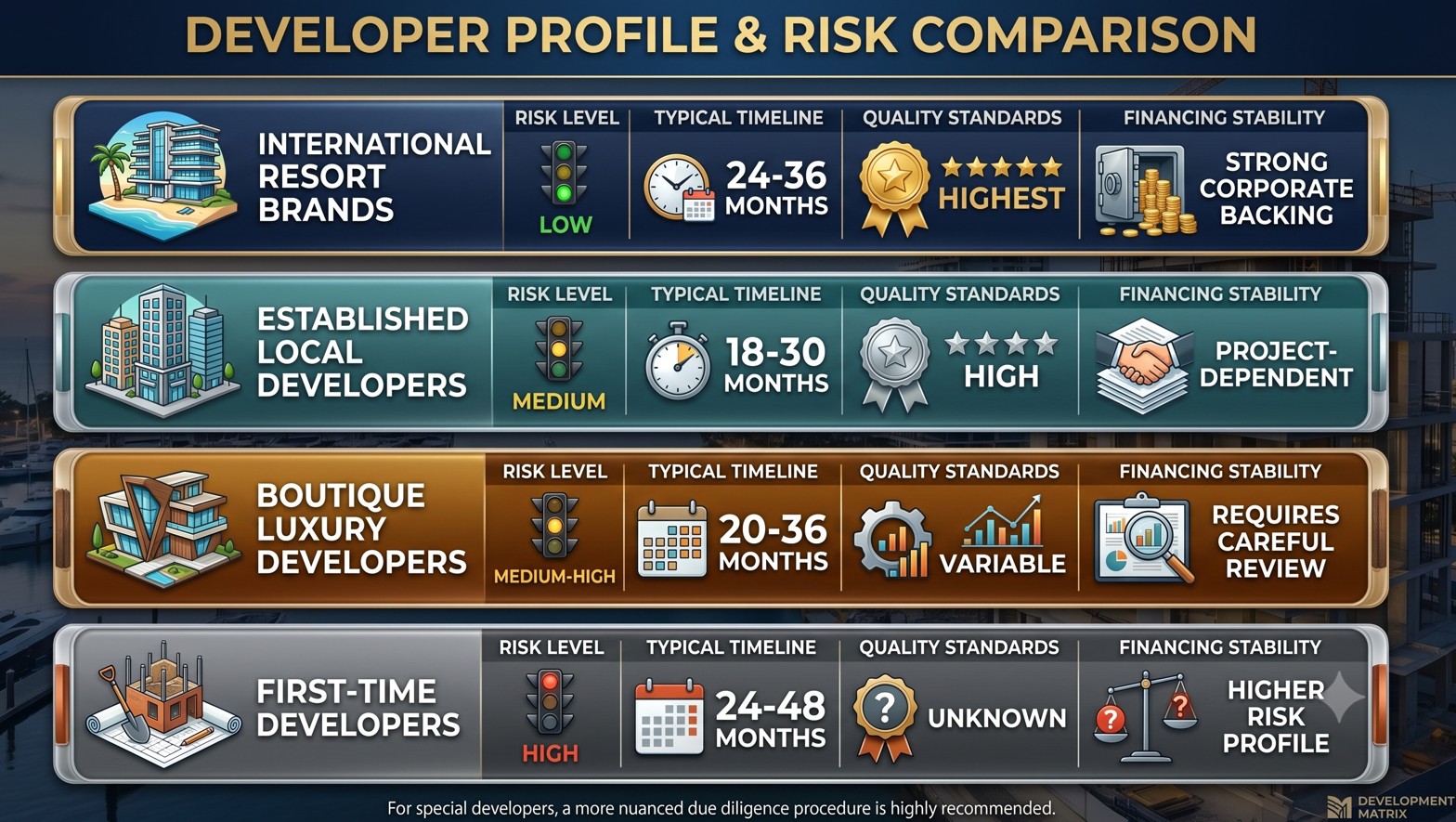
Beyond developer assessment, location selection determines long-term appreciation potential and rental income opportunities for luxury pre-construction investments.
Strategic Location Analysis for Maximum Returns
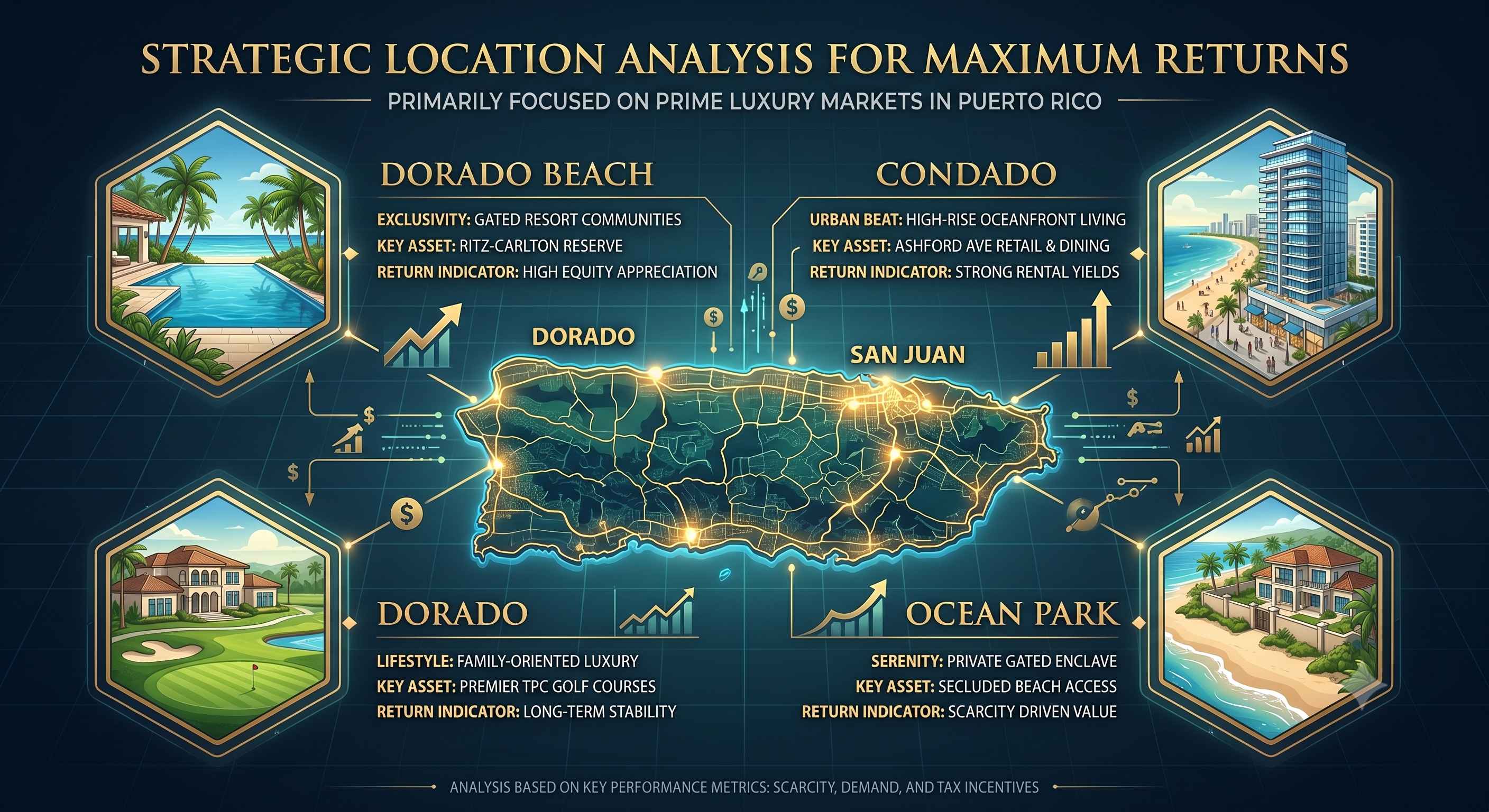
Location selection in Puerto Rico's luxury pre-construction market requires balancing immediate lifestyle preferences with long-term investment performance across distinct geographic markets. Dorado Beach, Condado, and emerging coastal communities each offer unique value propositions for different buyer profiles and investment strategies. Successful location analysis examines infrastructure development, tourism patterns, and regulatory changes that influence property values over time.
The concentration of Act 60 relocations in specific areas creates demand dynamics that significantly impact pre-construction pricing and appreciation potential.
Prime Luxury Markets
Prime luxury markets attract high-net-worth buyers seeking exclusive properties, premium locations, strong lifestyle appeal and long-term investment value.
Dorado Beach and Dorado
- Established luxury resort community with Ritz-Carlton and private golf courses.
- Strong rental demand from high-end vacation travelers.
- Limited new development opportunities due to land scarcity.
- Many luxury homes in Dorado Beach trade from the low‑to‑mid‑seven figures, with premier estates reaching well above $10 million.
Condado and Ocean Park
- Emerging luxury market with world-class surfing and sunset views.
- Lower entry prices with higher appreciation potential.
- Growing expat community and vacation rental demand.
- Pre-construction villas in Rincón typically range from the mid‑six to low seven figures, depending on size, views, and proximity to the beach.
Infrastructure and Development Catalysts
- Airport proximity and direct flight accessibility for rental guests.
- Planned resort developments and marina expansions.
- Road improvements and utility infrastructure upgrades.
- Zoning changes that restrict future development density.
- Government tourism promotion and marketing initiatives.
Location advantages must align with tax planning strategies, particularly for buyers seeking Act 60 benefits through their pre-construction investments.
Act 60 Tax Optimization for Pre-Construction Investments

Act 60 tax incentives can turn well‑structured pre-construction luxury home purchases into powerful wealth‑preservation tools for qualifying individuals and businesses relocating to Puerto Rico. For qualifying decree holders, a 4% corporate tax rate on eligible business income and significant exemptions on Puerto Rico‑sourced capital gains and property taxes can create compelling returns when properly structured with off‑plan property acquisitions. Pre-construction purchases allow buyers to establish Puerto Rico tax residency before property completion, maximizing the benefit period for subsequent appreciation and rental income.
Because Act 60 rules and IRS oversight continue to evolve, coordinating the timing of your decree approval and pre-construction contracts with specialized tax counsel is essential for compliance and benefit optimization.
Tax Benefit Integration Strategies
- Structure pre-construction purchase through Puerto Rico entity for maximum benefits.
- Coordinate Act 60 application timing with reservation and contract execution.
- Plan physical presence requirements around construction completion timeline.
- Optimize rental income treatment through proper entity structuring.
- Document business purpose and investment rationale for compliance.
Compliance Requirements and Timing
- Maintain 183+ days annual presence in Puerto Rico after Act 60 approval.
- Establish primary residence and business operations on the island.
- Document investment decision-making and management from Puerto Rico.
- File annual compliance reports and maintain detailed presence records.
- Coordinate with tax advisors familiar with Act 60 requirements.
Tax optimization strategies must integrate with contract negotiation tactics that protect buyer interests throughout the construction process.
Contract Negotiation and Legal Protection Strategies

Pre-construction contracts in Puerto Rico require specialized negotiation approaches that address local legal requirements, construction industry practices, and buyer protection mechanisms. Standard developer contracts typically favor the seller, making professional negotiation essential for securing completion guarantees, specification protections, and delay remedies. Effective contract terms establish clear performance standards, payment protections, and exit strategies that minimize buyer risk while preserving investment flexibility.
Puerto Rico's civil law system creates different legal frameworks compared to common law jurisdictions, requiring specialized legal counsel familiar with local property law.
Essential Contract Provisions
- Guaranteed completion date with meaningful delay penalties.
- Detailed specification schedules with brand names and model numbers.
- Escrow account requirements for deposit and milestone payment protection.
- Right to inspect and approve construction progress at key milestones.
- Clear procedures for specification changes and cost adjustments.
- Force majeure limitations that exclude routine construction challenges.
Payment Structure Optimization
- Limit initial deposits to 10-15% of the purchase price maximum.
- Tie milestone payments to verified construction completion stages.
- Retain 20-30% of the purchase price for final delivery and inspection.
- Establish independent escrow accounts with reputable financial institutions.
- Include interest provisions on deposits held for extended periods.
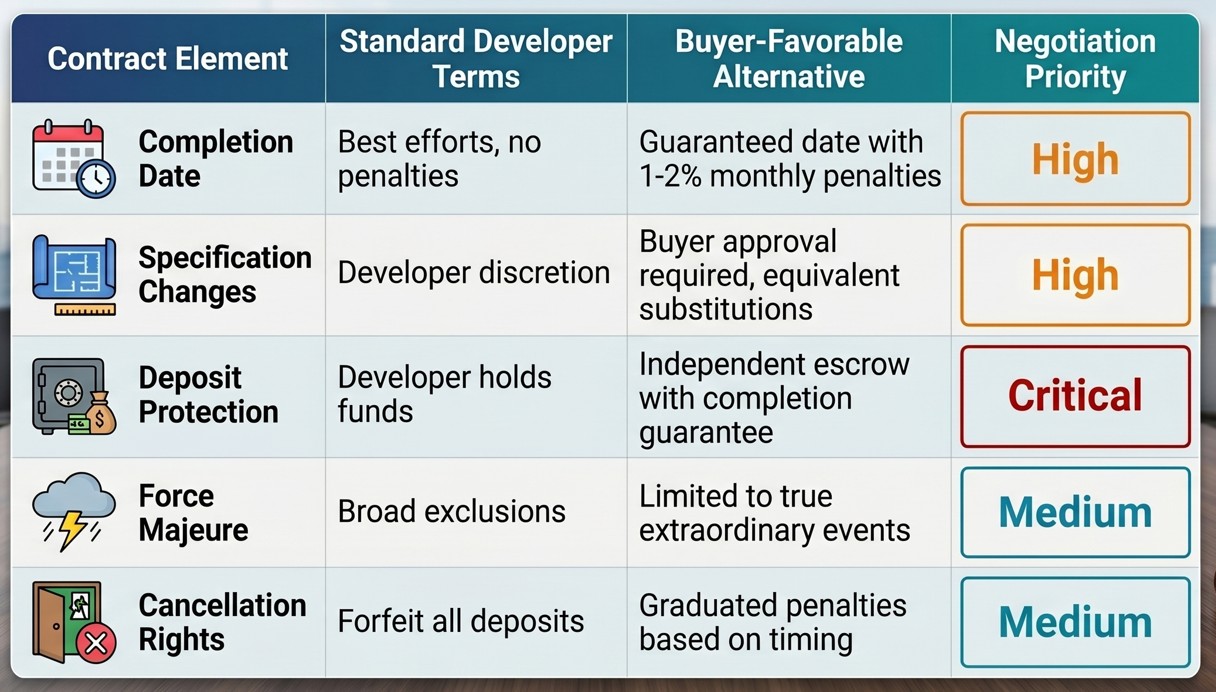
Contract protection strategies provide the foundation for successful pre-construction investments, but buyers must also understand the unique financing landscape for off-plan luxury properties in Puerto Rico.
Financing Pre-Construction Luxury Properties

Financing pre-construction luxury homes in Puerto Rico presents unique challenges and opportunities compared to traditional mortgage lending for completed properties. Local and international banks offer specialized construction-to-permanent loan products, while cash purchases remain common among high-net-worth buyers seeking Act 60 benefits. The financing landscape includes portfolio lenders familiar with luxury markets, international private banks serving relocating clients, and developer financing programs that can bridge funding gaps.
Interest rate environments and lending standards fluctuate significantly, making early pre-approval and rate lock strategies essential for budget planning.
Financing Options and Requirements
- Construction-to-permanent loans from local Puerto Rico banks.
- International private banking relationships for foreign buyers.
- Developer financing programs with competitive rates and terms.
- Portfolio lenders specializing in luxury and non-conforming properties.
- Bridge financing for buyers transitioning from mainland properties.
Qualification Criteria and Documentation
- Debt-to-income ratios typically limited to 40-45% for luxury properties.
- Minimum 25-30% downpayment requirements for pre-construction.
- Extensive documentation of income, assets, and source of funds.
- Credit score requirements generally are 720+ for optimal rates.
- Additional scrutiny for Act 60 applicants and recent relocations.
Understanding financing options enables buyers to make informed decisions about cash versus leveraged purchases, particularly when evaluating the luxury properties currently available in Puerto Rico's pre-construction market.
Puerto Rico Luxury Properties for Sale
Christie's International Real Estate Puerto Rico represents the island's most exclusive new construction luxury homes, offering pre-construction opportunities in prime beachfront and urban locations. The current portfolio includes architecturally distinctive developments that combine international design standards with Caribbean lifestyle amenities, targeting sophisticated buyers seeking turnkey luxury residences.
These pre-construction projects provide early access to limited inventory before public market availability, with pricing advantages and customization options unavailable in completed properties.

The Icon
The Icon represents ultra-luxury oceanfront living in Condado with expansive terraces and panoramic ocean views. This exclusive development offers only 12 residences with private elevators and resort-style amenities.
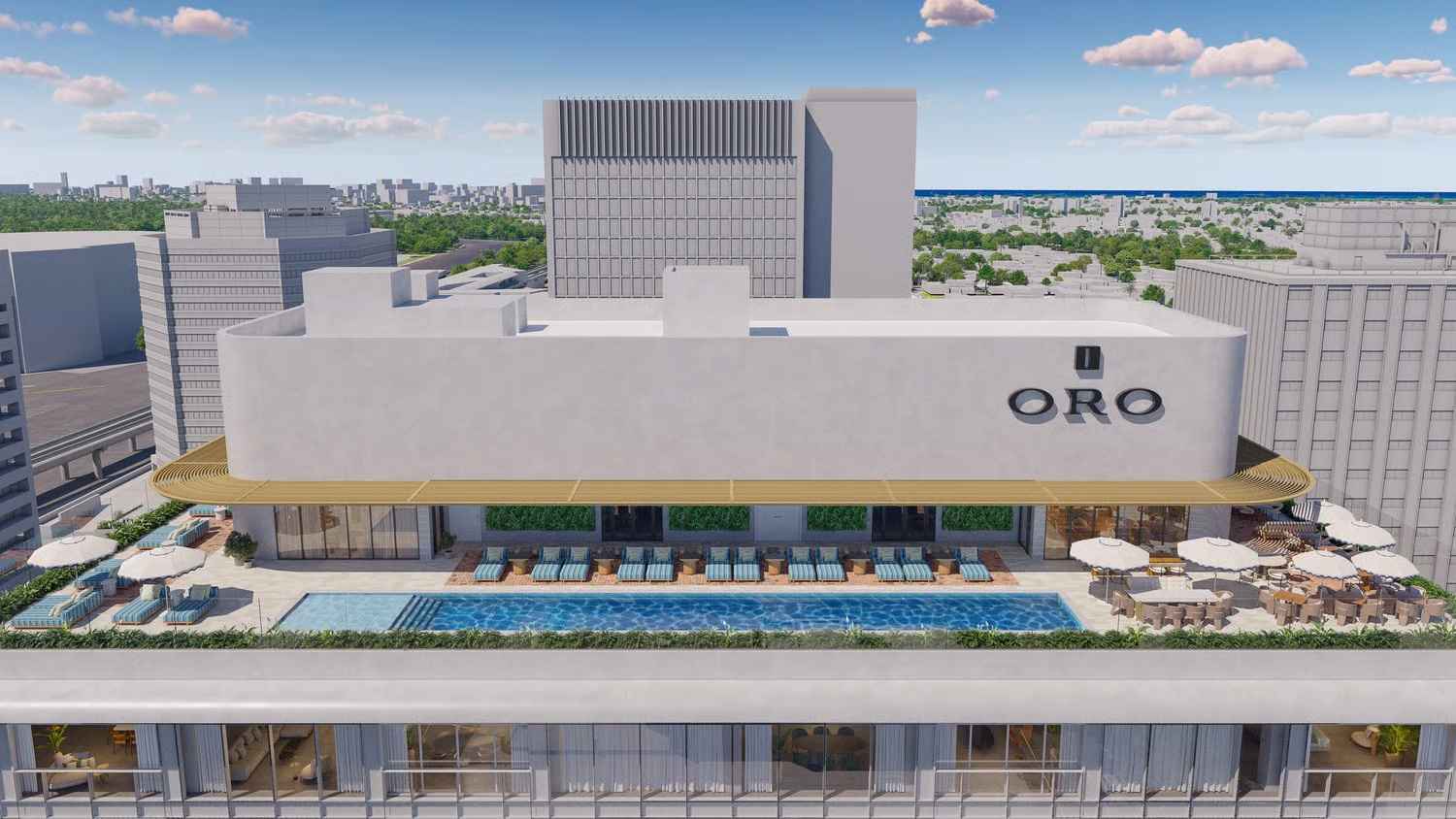
The Oro
The Oro features contemporary luxury condominiums in the heart of Condado's golden mile with sophisticated finishes and beachfront access. Each residence includes private balconies and access to exclusive rooftop amenities with 360-degree views.
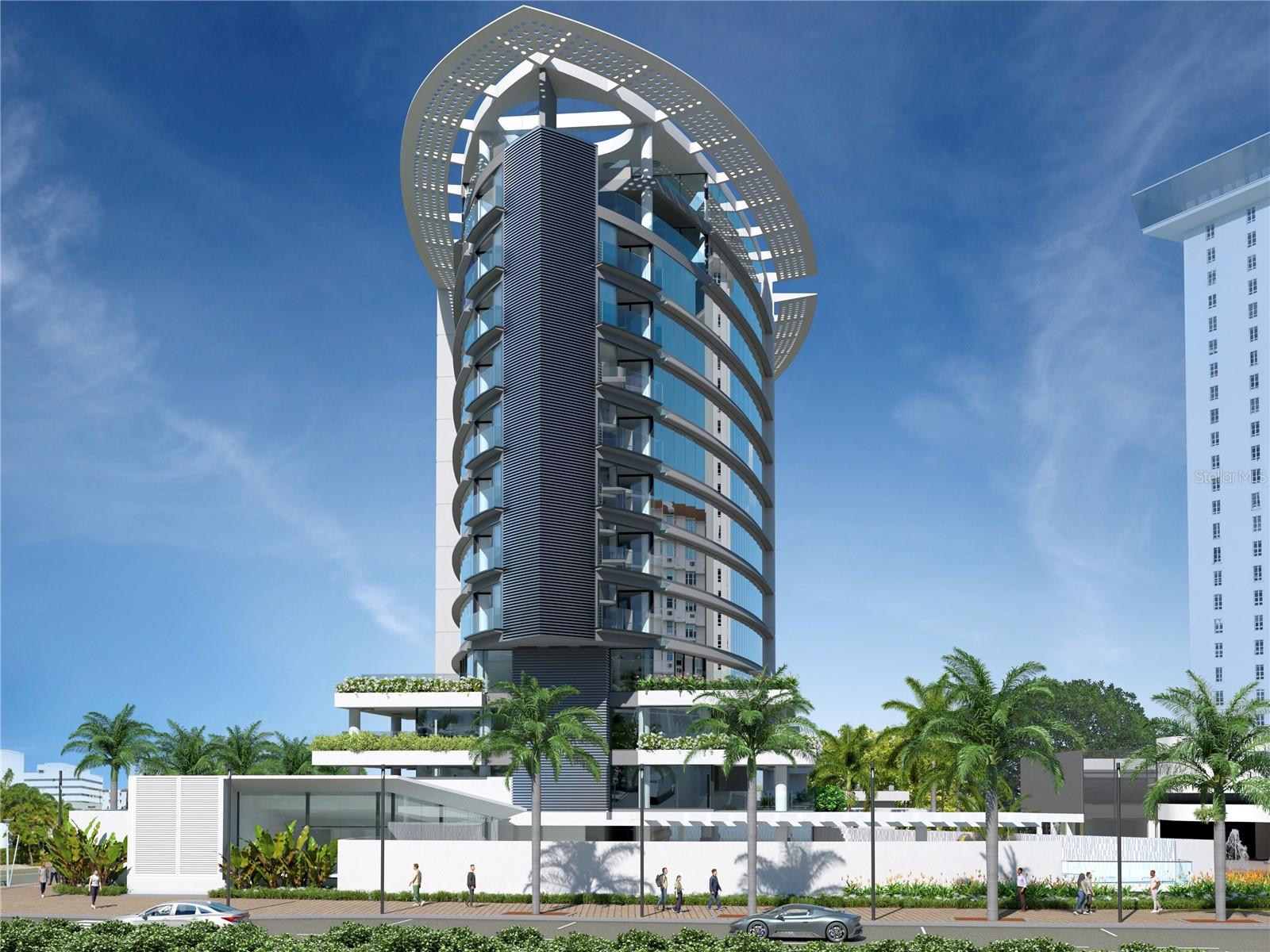
The Opus
The Opus delivers boutique luxury living with only eight exclusive residences featuring floor-to-ceiling windows and premium interior specifications. This intimate development emphasizes privacy and personalized service with concierge-level amenities.
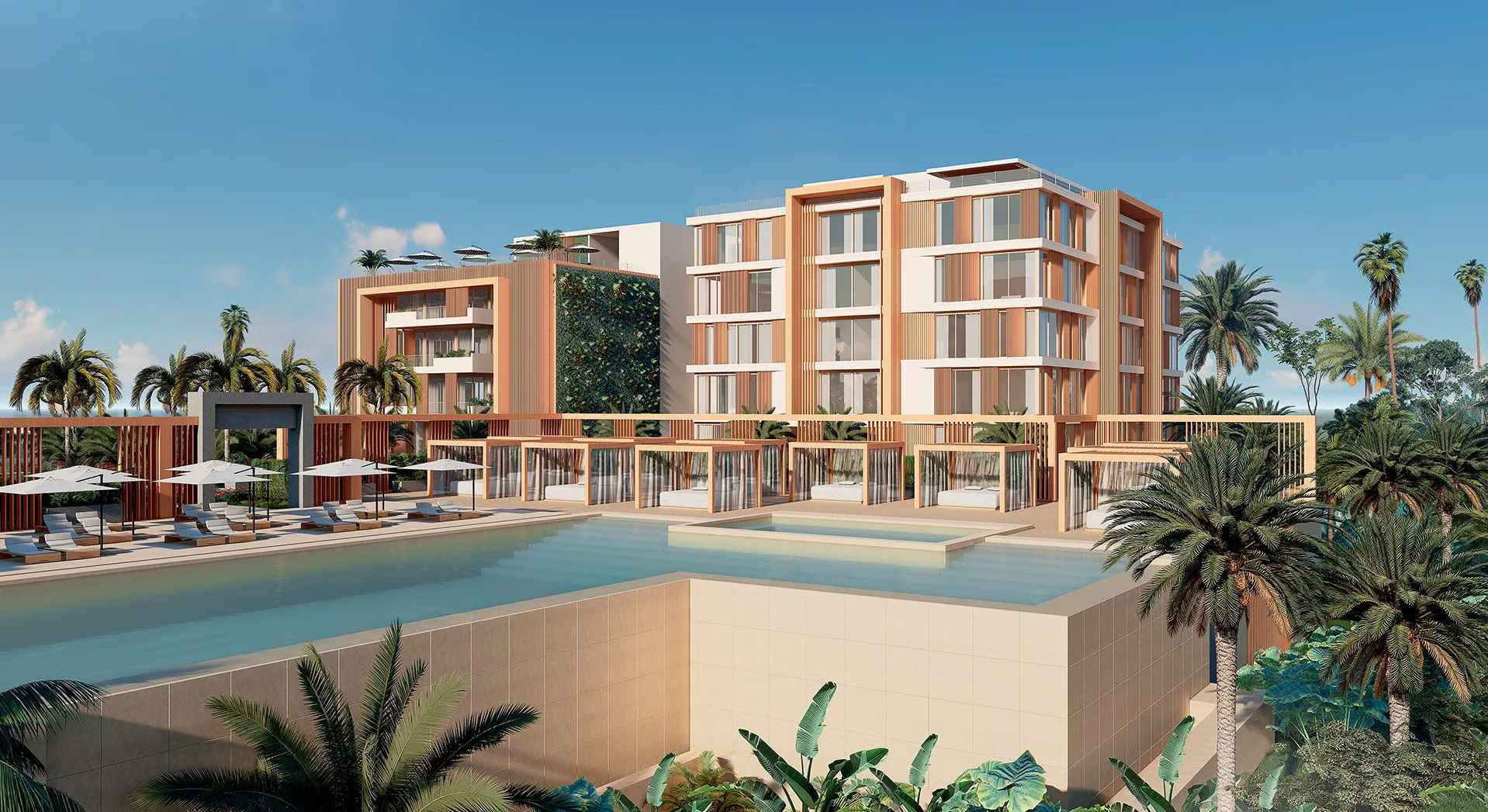
The Grove
The Grove offers tropical luxury living, lush landscaping, and resort-inspired amenities in a prime location. These residences feature open-concept designs that seamlessly blend indoor and outdoor Caribbean living spaces.
Final Thoughts
Pre-construction luxury homes in Puerto Rico offer compelling opportunities for buyers who understand the process, risks, and rewards of off-plan purchases. Success requires thorough developer due diligence, strategic location selection, and professional contract negotiation to secure optimal terms and protection. The combination of pricing advantages, customization options, and potential Act 60 tax benefits creates attractive investment scenarios for qualified buyers willing to navigate the structured acquisition process.
Christie's International Real Estate Puerto Rico specializes in pre-construction luxury homes in Puerto Rico throughout the island's most exclusive areas. Our team provides exclusive access to off-market developments and new construction projects before they reach public sales. Contact us today to learn more about securing your dream property.
FAQs
What closing costs and ongoing ownership expenses should I budget for?
Plan for transfer taxes/stamps, title/registry fees, notary and legal costs, plus lender fees if financing. After closing, budget for HOA/condo dues, property insurance (often higher in coastal zones), property taxes, utilities, and a reserve for hurricane preparedness and maintenance.
How do I verify the unit’s final size, view, and finishes match what I reserved?
Require a developer “spec book” and exhibit package (floor plan, finish schedule, appliance list, ceiling heights, terrace areas) attached to the contract, plus a tolerance clause for area changes and a right to cure/credit if substitutions occur. Confirm view corridors with a site plan and request written confirmation of floor level, orientation, and any future phases that could impact views.
What should I know about renting the home after delivery (short-term vs. long-term)?
Before signing, confirm the HOA bylaws and building rules on minimum lease terms, guest policies, and licensing requirements for short-term rentals. Also, verify parking/storage allocations, front-desk/concierge policies, and whether the developer offers (or restricts) on-site property management, as these factors can materially affect rental income and ease of operations.




.png)