Puerto Rico Mortgage & Home Loan Requirements: The Complete Guide to Credit Scores, Down Payments, Financing & Buying Property
Buying a home in Puerto Rico is an exciting opportunity, whether you're purchasing your first property, relocating from the mainland United States, or investing in a Caribbean residence. However, understanding Puerto Rico mortgage requirements is essential before applying for financing.
While Puerto Rico follows many of the same mortgage lending practices as the mainland United States, local banks and mortgage companies may have different underwriting standards, property documentation requirements, and loan programs.
The basic requirements for getting a mortgage in Puerto Rico typically include proof of income, an acceptable credit history, sufficient funds for a down payment and closing costs, employment or income verification, and valid identification.
Your eligibility will ultimately depend on your financial profile, the type of mortgage you're applying for, and the property you intend to purchase.
This guide explains the basic home loan requirements in Puerto Rico, available financing options, and practical steps to improve your chances of mortgage approval.
1. Proof of Income: How Much Do You Need to Earn?
One of the most important requirements for getting a loan in Puerto Rico is providing proof of reliable income.
Mortgage lenders need to establish that you can afford your monthly payments while continuing to meet your existing financial obligations.
Common documents used to verify income include:
- Recent pay stubs from your employer.
- W-2 forms and federal income tax returns.
- Bank statements showing deposits and available funds.
- Employment verification letters.
- Business tax returns for self-employed applicants.
- Documentation of retirement, investment, or other qualifying income.
Lenders generally evaluate income consistency, available assets, and existing debt rather than relying exclusively on your salary.
Can Self-Employed Buyers Qualify for a Mortgage in Puerto Rico?
Yes. Business owners, freelancers, and independent contractors may qualify for mortgage financing in Puerto Rico.
However, the documentation process can be more involved.
Self-employed borrowers may need to provide business financial statements, tax returns, bank statements, and supporting records demonstrating sustainable income.
A lender may also evaluate the length of time you've operated your business and whether your earnings have remained consistent.
Preparing these documents early can reduce delays during the mortgage approval process.
2. Credit Score Requirements for Puerto Rico Mortgages
Your credit score plays a significant role in determining your eligibility for a home loan in Puerto Rico.
Credit scores help lenders evaluate your history of managing debt, making payments, and meeting financial obligations.
Common FICO credit scores range from 300 to 850. Higher scores generally indicate lower credit risk and may help borrowers qualify for more favorable mortgage terms.
However, there is no single minimum credit score required for every mortgage in Puerto Rico.
Requirements vary depending on the loan program and lender.
What Credit Score Do You Need to Buy a House in Puerto Rico?
Mortgage typeCredit score considerationsConventional mortgageRequirements vary; stronger credit generally improves financing optionsFHA loanFHA policy allows scores of 580+ for maximum financing and 500–579 with at least 10% downVA loanVA does not impose a universal minimum credit score, but lenders assess creditworthinessUSDA loanCreditworthiness and underwriting requirements applyJumbo mortgageLenders may require stronger credit profiles and additional financial reserves
Meeting a program's minimum credit score does not guarantee approval. Individual lenders may impose stricter requirements.
How to Improve Your Credit Before Applying
If you're planning to apply for a mortgage in Puerto Rico, improving your credit profile can strengthen your application.
Consider paying bills on time, reducing outstanding credit card balances, correcting credit report errors, and avoiding unnecessary new debt.
It's also worth reviewing your credit reports several months before beginning your property search.
Even modest improvements may expand your financing options or help you qualify for more competitive loan terms.
3. Down Payment Requirements in Puerto Rico
One of the most common questions among prospective homebuyers is: How much down payment do you need to buy a house in Puerto Rico?
The answer depends on the mortgage program, purchase price, property type, and borrower qualifications.
A 20% down payment is not universally required.
Certain conventional mortgage programs offer down payments as low as 3%, while qualifying FHA borrowers may be able to purchase a home with 3.5% down.
Eligible VA borrowers may qualify without a down payment, and USDA financing can provide no-down-payment options for eligible properties and applicants.
Puerto Rico Mortgage Down Payment Comparison
Loan typePotential down paymentConventional mortgageAs low as 3% for qualifying programsFHA mortgageAs low as 3.5% for eligible borrowersVA mortgagePotentially 0%USDA mortgagePotentially 0%Jumbo mortgageVaries by lender, property, and borrower
These figures represent potential program options, not guaranteed offers from Puerto Rico lenders.
Buyers purchasing vacation homes, investment properties, or luxury residences may face different requirements.
A larger down payment can reduce the amount financed and potentially lower monthly mortgage payments.
However, buyers should also preserve funds for inspections, insurance, closing expenses, and unexpected homeownership costs.
4. Debt-to-Income Ratio: How Lenders Evaluate Affordability
Your debt-to-income ratio, commonly called DTI, measures how much of your gross monthly income goes toward debt payments.
Lenders use this calculation to determine whether taking on a mortgage would create an unreasonable financial burden.
Your DTI includes qualifying monthly obligations such as car payments, student loans, credit card payments, and your proposed mortgage payment.
How Is Debt-to-Income Ratio Calculated?
The formula is straightforward:
Total monthly debt payments ÷ gross monthly income × 100 = DTI percentage
For example, someone earning $6,000 per month before taxes with $2,100 in combined monthly debt obligations would have a 35% debt-to-income ratio.
Different mortgage programs have different allowable DTI limits.
Some borrowers may qualify with higher ratios depending on credit history, available savings, loan characteristics, and automated underwriting results.
A lower DTI generally gives buyers more financial flexibility and may improve mortgage affordability.
Before applying, evaluate whether reducing credit card debt or paying off an existing loan could strengthen your application.
5. Collateral and Property Requirements
Collateral is an asset pledged to secure a loan.
For a mortgage in Puerto Rico, the property being purchased generally serves as collateral. If the borrower defaults, the lender may have the right to pursue foreclosure under applicable law.
However, collateral requirements differ by financing type.
Unsecured personal loans do not necessarily require pledged property, while secured personal loans, auto loans, and mortgages typically involve collateral.
Property Appraisals and Inspections
Mortgage lenders commonly require an appraisal to evaluate the property's value.
The appraisal helps determine whether the property supports the amount being financed.
Depending on the mortgage program, lenders may also assess the property's condition, habitability, legal documentation, and eligibility.
In Puerto Rico, buyers should pay particular attention to property registration, ownership records, construction documentation, and potential title issues.
Properties with unpermitted improvements or incomplete legal records may create financing complications.
Obtaining appropriate inspections and legal guidance before closing can help buyers identify concerns early.
6. Employment History and Job Stability
Employment history is another important factor in the Puerto Rico mortgage approval process.
Lenders want evidence that borrowers have sufficient income to make their mortgage payments consistently.
A stable employment record can strengthen an application, although borrowers are not universally required to remain with the same employer for a specific number of years.
Lenders may review employment gaps, recent job changes, income variability, and career history.
If you've recently changed jobs but remain in the same profession with comparable or higher earnings, financing may still be possible.
Borrowers with irregular or seasonal income should prepare additional documentation explaining how their earnings are generated.
7. Residency and Identification Requirements
A common misconception is that you must already be a Puerto Rico resident to purchase a home or obtain mortgage financing on the island.
U.S. citizens living on the mainland may be eligible to finance a home purchase in Puerto Rico without first establishing Puerto Rico residency.
However, mortgage eligibility depends on the lender, loan program, borrower qualifications, and intended property use.
Applicants generally need valid identification and appropriate tax identification documentation.
Non-U.S. citizens may face additional documentation requirements depending on their immigration status and financing program.
Some lenders also offer specialized financing for foreign-national buyers.
Can You Get a Mortgage in Puerto Rico While Living in the United States?
Yes. Eligible mainland U.S. residents may obtain financing for property in Puerto Rico.
However, lenders may distinguish between primary residences, second homes, vacation properties, and investment properties.
A home purchased for permanent relocation may qualify for financing terms that differ from those available for a vacation residence or income-producing investment.
Before applying, explain how you intend to use the property so the lender can recommend appropriate financing options.
8. Types of Mortgage Loans Available in Puerto Rico
Understanding available loan programs is essential when comparing Puerto Rico mortgage companies and financing options.
Conventional Mortgage Loans
Conventional mortgages are not insured or guaranteed by the federal government.
These loans may appeal to buyers with stable income, established credit histories, and sufficient funds for a down payment.
Certain conventional programs permit lower down payments, while others may require additional reserves or stronger financial qualifications.
FHA Loans in Puerto Rico
Federal Housing Administration loans are designed to expand access to homeownership for qualifying borrowers.
FHA financing may appeal to first-time buyers and applicants who do not meet the underwriting standards of certain conventional mortgages.
Eligible borrowers may qualify with down payments as low as 3.5%.
FHA loans generally require mortgage insurance and must meet applicable borrower, occupancy, property, and loan-limit rules.
VA Loans in Puerto Rico
Eligible veterans, active-duty service members, and certain surviving spouses may qualify for VA-backed home financing.
VA loans can offer favorable terms, including potentially no down payment and no private mortgage insurance.
Borrowers must satisfy applicable service eligibility, credit, income, and occupancy requirements.
USDA Home Loans
USDA Rural Development programs provide financing opportunities for eligible low- and moderate-income homebuyers purchasing qualifying primary residences in designated rural areas.
Some eligible borrowers can obtain financing without a down payment.
Both the property location and household qualifications must satisfy program requirements.
Jumbo and Luxury Home Mortgages
Buyers purchasing high-value homes in Puerto Rico may need jumbo or specialized mortgage financing.
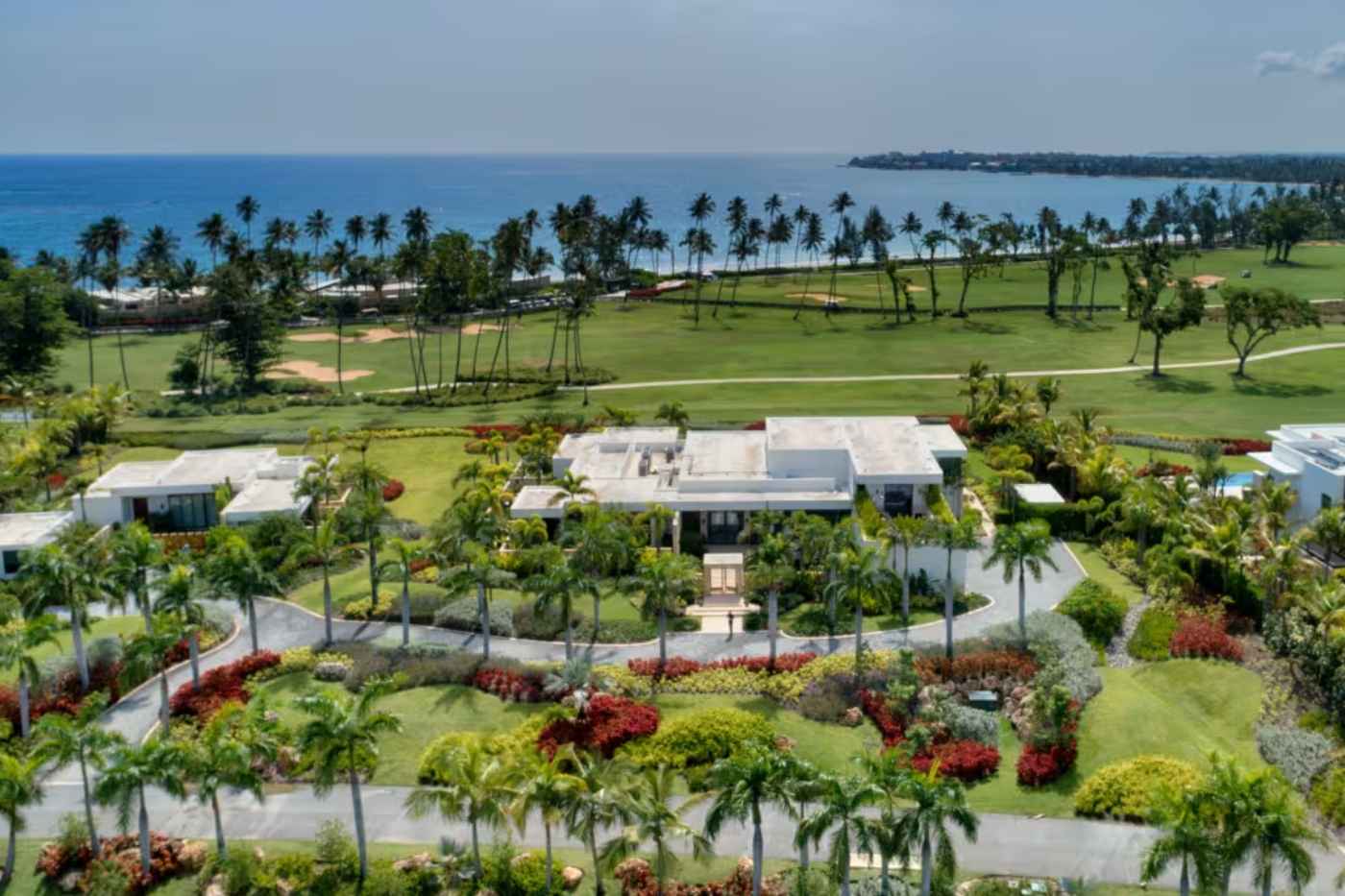
Luxury properties in areas such as Dorado, Condado, and Río Grande can involve higher loan amounts and additional underwriting considerations.
Jumbo mortgage lenders may review substantial liquid assets, investment income, credit history, and financial reserves.
Requirements differ by institution, making direct lender comparisons especially important.
9. Mortgage Closing Costs in Puerto Rico
The down payment is only one component of the money needed to purchase a home.
Additional expenses may include appraisal fees, lender charges, title-related services, legal documentation, property insurance, and transaction registration costs.
Puerto Rico real estate closings may involve local notarial and property-registration procedures that buyers should review with qualified professionals.
Certain borrowers may also need mortgage insurance, association documentation, or property-specific inspections.
Closing costs vary by transaction, so buyers should request a detailed estimate rather than relying on a fixed percentage.
For many standard consumer mortgages, lenders must provide a Loan Estimate after receiving the required application information.
Before closing, buyers generally receive a Closing Disclosure outlining final mortgage terms and costs.
Review these documents carefully and ask for explanations of unfamiliar charges.
10. How to Apply for a Mortgage in Puerto Rico
Applying for a home loan becomes more manageable when you prepare in advance.
Step 1: Review Your Credit and Financial Position
Check your credit history, existing debt, monthly income, and savings.
Determine how much you can comfortably allocate toward housing without exhausting your emergency funds.
Step 2: Gather Your Financial Documents
Prepare identification, tax returns, income records, employment documentation, and relevant financial statements.
Self-employed applicants should organize additional business records.
Step 3: Compare Puerto Rico Mortgage Lenders
Research multiple banks, mortgage companies, and loan programs.
Ask about interest rates, annual percentage rates, financing limits, down payments, loan terms, and estimated closing expenses.
For an overview of available lenders, explore our guide to mortgage companies in Puerto Rico.
Step 4: Get Preapproved
Mortgage preapproval can help establish a realistic purchase budget.
A preapproval may also demonstrate financial preparedness when submitting an offer.
However, preapproval is not the same as final underwriting approval.
Step 5: Find a Property
Once you understand your financing options, begin comparing properties that meet your needs and budget.
Evaluate neighborhood amenities, commuting distances, insurance considerations, and long-term ownership costs.
Step 6: Complete the Appraisal and Underwriting Process
The lender will assess your financial documentation, evaluate the property, and determine whether the application meets its requirements.
Additional documents or clarifications may be requested.
Step 7: Review Your Closing Documents
Before completing the purchase, review the final mortgage terms, financing costs, and legal documentation.
Confirm that the property and financing arrangements meet your expectations.
11. Frequently Asked Questions About Puerto Rico Loan Requirements
What is the minimum credit score for a mortgage in Puerto Rico?
There is no universal minimum credit score. FHA policy permits certain applicants with credit scores of 580 or higher to qualify for maximum financing, while conventional and other loan programs have different eligibility standards.
Can I buy a house in Puerto Rico with a 600 credit score?
Potentially. Eligibility depends on the loan program, lender requirements, income, existing debt, down payment, and overall credit profile. A score of 600 does not automatically guarantee or prevent approval.
Do I need 20% down to purchase a home in Puerto Rico?
No. Some qualifying buyers may be eligible for conventional loans with as little as 3% down, FHA loans with 3.5% down, or certain government-backed programs offering no-down-payment financing.
Can foreigners get mortgage loans in Puerto Rico?
Some lenders offer financing to eligible foreign-national buyers. Documentation, credit verification, down payments, and eligibility requirements may differ from those applying to U.S. citizens.
Can I finance a vacation home in Puerto Rico?
Yes, financing options may be available for qualifying second homes and vacation properties. However, primary-residence mortgage programs and related benefits generally have occupancy requirements.
Can self-employed individuals qualify for Puerto Rico home loans?
Yes. Self-employed applicants can qualify, but lenders may request additional tax returns, business records, and income verification.
How long does mortgage approval take in Puerto Rico?
The timeline varies according to lender processing, borrower documentation, appraisal scheduling, property condition, title review, and underwriting requirements.
Incomplete documentation or property registration issues may extend the process.
Which Puerto Rico mortgage company should I choose?
The best lender depends on your financial profile, property type, and financing objectives. Compare multiple lenders based on total borrowing costs, program availability, communication, and experience handling Puerto Rico real estate transactions.
Final Thoughts: Preparing for Mortgage Approval in Puerto Rico
Understanding the basic loan requirements in Puerto Rico is the first step toward making an informed real estate purchase.
Whether you're a first-time homebuyer, a mainland resident planning to relocate, or an investor evaluating a second property, mortgage approval generally depends on your ability to demonstrate financial stability and meet the lender's underwriting requirements.
Proof of income, credit history, down payment funds, debt-to-income ratio, property eligibility, and identification all play important roles in the financing process.
By preparing your financial documents early, exploring appropriate loan programs, and comparing lenders, you can approach Puerto Rico's housing market with greater confidence.
For buyers considering luxury real estate, understanding financing options before selecting a property can also help clarify purchasing power in neighborhoods such as Dorado, Condado, and Río Grande.
Explore available properties through Christie's International Real Estate Puerto Rico as you evaluate your next move.
Ultimately, the right mortgage should do more than help you purchase a property. It should support your financial goals and the lifestyle you want to build in Puerto Rico.
Disclaimer: Mortgage programs, qualification standards, interest rates, and eligibility requirements vary by lender and may change. This guide is for general educational purposes and does not constitute financial, legal, or lending advice.