


When sophisticated buyers evaluate Caribbean luxury real estate, they often default to names like Barbados, the Bahamas, or the Dominican Republic. Puerto Rico, though, presents a fundamentally different investment case — one built on U.S. jurisdiction, a deep luxury inventory, a proven tax incentive framework, and price-per-square-foot tiers that still offer meaningful upside. In this article, we break down these advantages category by category, comparing Puerto Rico directly against its Caribbean peers on the metrics that matter most to high-net-worth and ultra-high-net-worth buyers.
Key Takeaways
- Puerto Rico offers U.S. legal protections that other Caribbean markets cannot match.
- Act 60 gives qualified buyers a powerful tax advantage.
- Puerto Rico has stronger healthcare, airlift, and professional infrastructure than many Caribbean competitors.
- Barbados and the Bahamas offer exclusivity, but Puerto Rico offers broader legal and financial simplicity.
- Puerto Rico luxury real estate remains attractive for U.S.-connected buyers seeking long-term value.
Why Puerto Rico Beats Other Caribbean Luxury Markets

The clearest reason Puerto Rico outperforms Barbados, the Bahamas, and the Dominican Republic for a specific buyer segment is jurisdiction. Puerto Rico sits inside the U.S. legal system — buyers close with title insurance, transact in U.S. dollars, and hold property under a framework governed by U.S. federal law. No other Caribbean island offers that combination to American buyers without foreign ownership restrictions, currency risk, or unfamiliar legal exposure.
Beyond jurisdiction, the tax environment sets Puerto Rico apart in a way that directly affects holding strategy and total return.
The Act 60 Advantage
- Qualifying residents pay 0% tax on capital gains accrued after establishing residency — a direct impact on exit strategy for property investors.
- The 4% corporate tax rate under Act 60's export services decree benefits buyers who structure business operations alongside property ownership.
- Puerto Rico tax incentives for real estate investors also include a property tax assessment system (CRIM) that typically runs 0.5%–1.2% of assessed value annually — low by any standard.
- These incentives apply to U.S. citizens without triggering expatriation rules, which is structurally impossible to replicate in Barbados, the Bahamas, or the Dominican Republic.
- Recent legislative updates have extended Puerto Rico’s incentives framework for Individual Resident Investors and export service businesses through 2055, giving long‑term planners a wider horizon for modeling tax outcomes.
- At the same time, increased IRS scrutiny of Puerto Rico residency and income‑sourcing rules means buyers should treat Act 60 as a sophisticated tax planning tool rather than a simple headline rate and should work closely with experienced tax counsel.
Depth of Luxury Inventory
- Recent listings on JamesEdition show Puerto Rico luxury homes with an average asking price of around $2.4 million, ranging roughly from the mid‑$500,000s to more than $22 million, and with average pricing near $600 per square foot.
- High‑end finishes in top enclaves such as Dorado and Condado commonly trade in the $500–$1,000 per‑square‑foot band.
- Realtor.com typically shows several thousand active homes for sale across Puerto Rico at any given time, giving buyers meaningful market depth and a broad set of comparison points.
- Off-market inventory — properties not publicly listed — adds another layer of opportunity that Christie's International Real Estate Puerto Rico accesses through its global network.
The combination of legal clarity, tax structure, and inventory depth is what makes Puerto Rico vs Caribbean real estate comparisons consistently favor the island for U.S.-connected buyers.
Comparing Price Levels and Value Across Markets
Price-per-square-foot comparisons across Caribbean luxury markets reveal meaningful differences in entry cost, value density, and growth trajectory. Puerto Rico's luxury pricing sits in a competitive band — not the cheapest, but arguably the most defensible given the legal and tax framework supporting it. The Dominican Republic offers lower entry points, while Barbados and the Bahamas push higher at the ultra-luxury tier, but neither market delivers the same structural upside for U.S. buyers.
The table below summarizes key pricing and ownership metrics across the four markets.
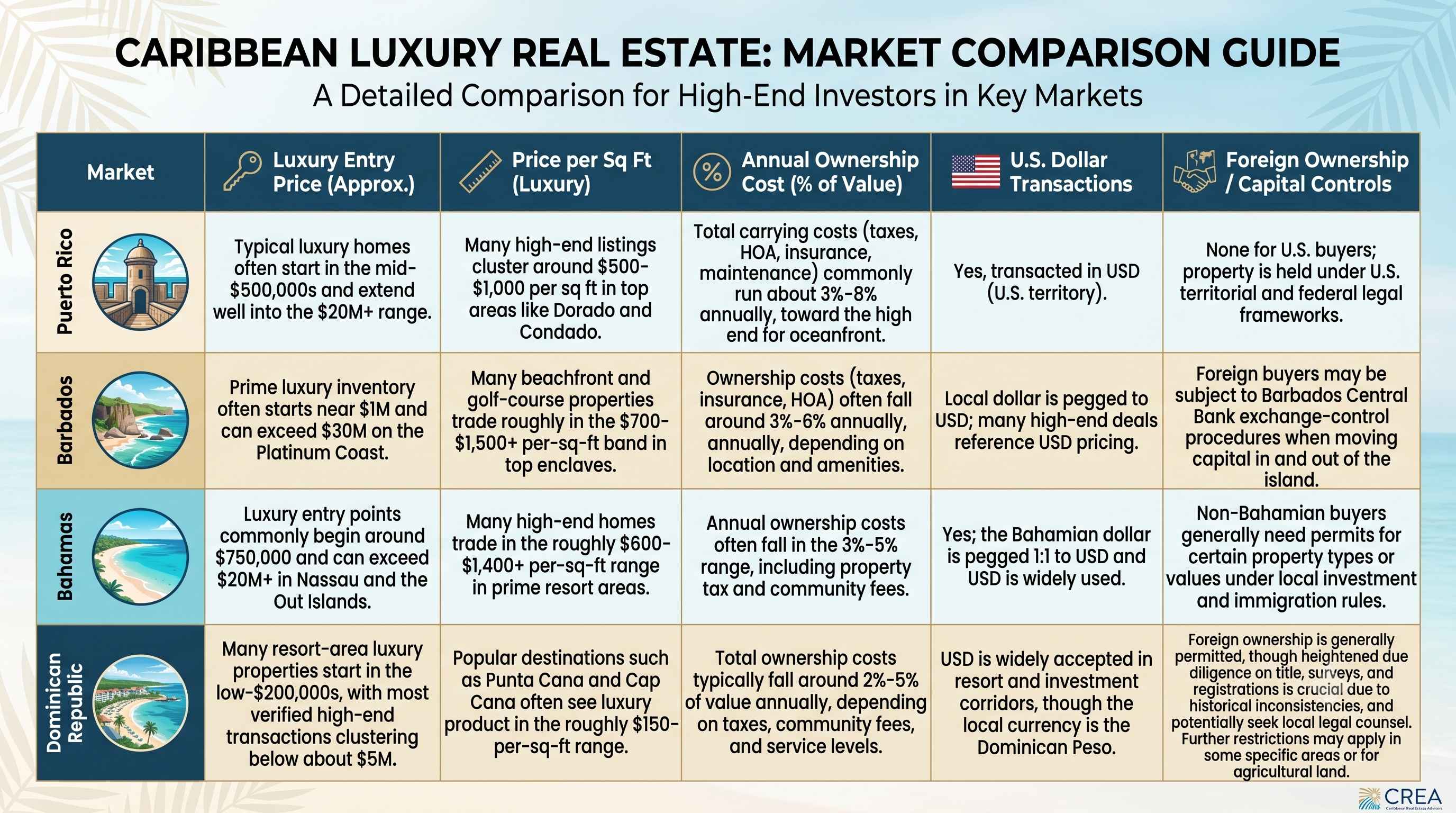
Foreign ownership is generally permitted, but buyers should perform heightened due diligence on title, surveys, and registrations given historical inconsistencies in some areas.
Puerto Rico vs Barbados Real Estate
- Barbados commands some of the highest prices in the Caribbean, particularly on the Platinum Coast, where luxury villas regularly exceed $5M and price-per-square-foot can surpass $1,500.
- For ultra-high-net-worth buyers seeking exclusivity above all else, Barbados delivers — but U.S. buyers face Barbados Central Bank exchange control requirements when moving capital in and out.
- Puerto Rico vs Barbados real estate comparisons favor Barbados for pure exclusivity at the top 1% tier, but Puerto Rico wins clearly on legal simplicity, tax efficiency, and resale liquidity for the broader UHNW segment.
- Puerto Rico luxury real estate also offers newer construction stock in markets like Dorado Beach, which competes directly with Barbados's Sandy Lane corridor on finish quality.
Puerto Rico vs Bahamas Real Estate
- The Bahamas — particularly Nassau and the Out Islands — attracts significant ultra-luxury demand, with no income tax and a well-established foreign buyer market.
- Puerto Rico vs Bahamas real estate comparisons often hinge on infrastructure depth: Nassau has strong airlift and professional services, but the Out Islands require private aviation and lack the healthcare and educational infrastructure Puerto Rico provides.
- The Bahamas requires non-Bahamian buyers to obtain a permit for properties above a certain value threshold — a step Puerto Rico eliminates entirely for U.S. buyers.
- For buyers who want a no-income-tax environment with U.S. legal protections, Puerto Rico's Act 60 framework arguably delivers more structured, long-term certainty than the Bahamas's tax regime.
Puerto Rico vs Dominican Republic Real Estate
- Dominican Republic affordable Caribbean real estate attracts a different buyer profile — entry-level luxury starts well below $500,000 in markets like Cap Cana and Punta Cana, making it accessible to a wider range of investors.
- Puerto Rico vs Dominican Republic real estate comparisons consistently show a gap in title security, resale market depth, and professional services infrastructure — areas where Puerto Rico holds a structural lead.
- The Dominican Republic's luxury ceiling is also lower: few properties exceed $5M in verified market transactions, limiting upside for buyers targeting appreciation at the top of the market.
- For investors prioritizing legal clarity and exit liquidity over low entry cost, Puerto Rico presents the stronger long-term case.
Pricing tells part of the story. The regulatory and tax environment tells the rest — and that's where Puerto Rico's advantage becomes most concrete.
Regulatory and Tax Advantages That Change the Investment Math

Puerto Rico's position as a U.S. territory means buyers transact under a legal system they already understand — title insurance, escrow, RESPA-style disclosures, and U.S. federal court access. For domestic buyers, this eliminates the legal due diligence burden that comes with purchasing in a foreign jurisdiction. That alone changes the risk profile of a luxury property acquisition in ways that don't show up in price-per-square-foot comparisons.
The tax incentive framework adds another dimension that directly affects holding cost and exit returns.
Act 60 and Property Ownership Strategy
- Capital gains exemption: Gains on assets — including real property — acquired after establishing Puerto Rico residency face 0% capital gains tax at the Puerto Rico level, which directly improves net returns on appreciation.
- CRIM property tax: Annual property tax assessments typically run 0.5%–1.2% of assessed value, which tends to run below market value — keeping annual holding costs lower than comparable U.S. mainland markets.
- HOA and carrying costs: Luxury oceanfront communities like Dorado Beach carry HOA fees in the $800–$3,500 monthly range. Total annual ownership costs for oceanfront homes can reach 6%–8% of property value, so buyers should model these numbers carefully.
- No foreign investment approval: Unlike Barbados (Central Bank approval) or the Bahamas (permit system), Puerto Rico imposes no acquisition approval process on U.S. buyers.
Legal Framework Benefits for U.S. Buyers
- Transactions close with U.S.-style title insurance, reducing the title risk that affects markets like the Dominican Republic where chain-of-title gaps remain common.
- Mortgage financing from U.S. banks applies to Puerto Rico purchases — buyers can access conventional, jumbo, and portfolio loan products that don't exist for foreign Caribbean acquisitions.
- Estate planning integrates directly into U.S. federal estate structures, avoiding the cross-border complexity that comes with owning property in a foreign nation.
- The best Caribbean islands for real estate investment for U.S. buyers consistently include Puerto Rico at the top of the list precisely because of this legal integration.
Legal and tax structure matters, but for UHNW buyers making a relocation or long-term investment decision, lifestyle infrastructure often becomes the deciding factor.
Lifestyle and Infrastructure That Support Long-Term Commitment

Caribbean real estate for ultra-high-net-worth buyers involves more than a beautiful property. It involves access to healthcare, reliable airlift, quality schools, and a professional services ecosystem that can support complex financial and legal needs. Puerto Rico runs deeper on all of these dimensions than most Caribbean competitors, and that depth matters when buyers consider whether a property becomes a primary residence, a long-term second home, or simply a vacation asset.
The infrastructure gap between Puerto Rico and its Caribbean peers is real, and it shows up in ways that directly affect quality of life and property values.
Airlift and Connectivity
- Luis Muñoz Marín International Airport in San Juan offers direct flights to over 40 U.S. cities, including New York, Miami, Boston, Chicago, and Los Angeles — a connectivity profile no other Caribbean island matches.
- Barbados and the Bahamas have strong airlift to the U.S. East Coast, but the Out Islands of the Bahamas require private aviation for access.
- The Dominican Republic's major airports — Punta Cana and Las Américas — serve strong tourist routes but lack the breadth of U.S. business-class connectivity San Juan provides.
- For buyers who travel frequently for business, Puerto Rico's airlift profile is a practical advantage that compounds over time.
Healthcare and Education
- Puerto Rico operates U.S.-accredited hospitals, including Hospital Auxilio Mutuo and the Medical District in San Juan — providing a level of care unavailable in most Caribbean markets without medical evacuation.
- International and U.S.-curriculum schools operate across the San Juan metro area, including in Dorado and Condado, supporting families relocating with children.
- Barbados has reasonable healthcare for the region, but complex procedures still require travel to the U.S. or UK — a gap that matters for full-time residents.
- The Dominican Republic's healthcare infrastructure, while improving, remains below the standard most UHNW buyers expect for primary or long-term residence.
Professional Services and Market Depth
- Puerto Rico supports a full ecosystem of U.S.-trained attorneys, CPAs, financial advisors, and real estate professionals — critical for buyers managing complex transactions and tax strategies.
- The island’s residential and luxury real estate market has produced verifiable multi‑billion‑dollar transaction volume in recent years, with total island‑wide sales exceeding $4 billion annually in several recent periods. That level of activity signals real market depth rather than purely aspirational pricing at the top end.
- Caribbean luxury real estate prices per square foot in Puerto Rico reflect a market with genuine institutional participation, not just a thin pool of discretionary buyers.
- For buyers who want the Caribbean lifestyle without sacrificing the professional infrastructure of a U.S. market, Puerto Rico is perhaps the only market in the region that delivers both.
With the market context established, the next step is identifying where specific Puerto Rico luxury properties for sale fit into this investment picture.
Puerto Rico Luxury Properties for Sale
Christie's International Real Estate Puerto Rico connects serious buyers to the island's most compelling luxury properties for sale — including both publicly listed and off-market opportunities in Dorado, Condado, Rincón, and Old San Juan. Our team combines deep local market knowledge with the global Christie's network to match buyers with properties that align with their investment and lifestyle objectives. Below are four current listings in Rincón that represent the range of Puerto Rico luxury real estate available through our portfolio. Read more in this real estate outlook.
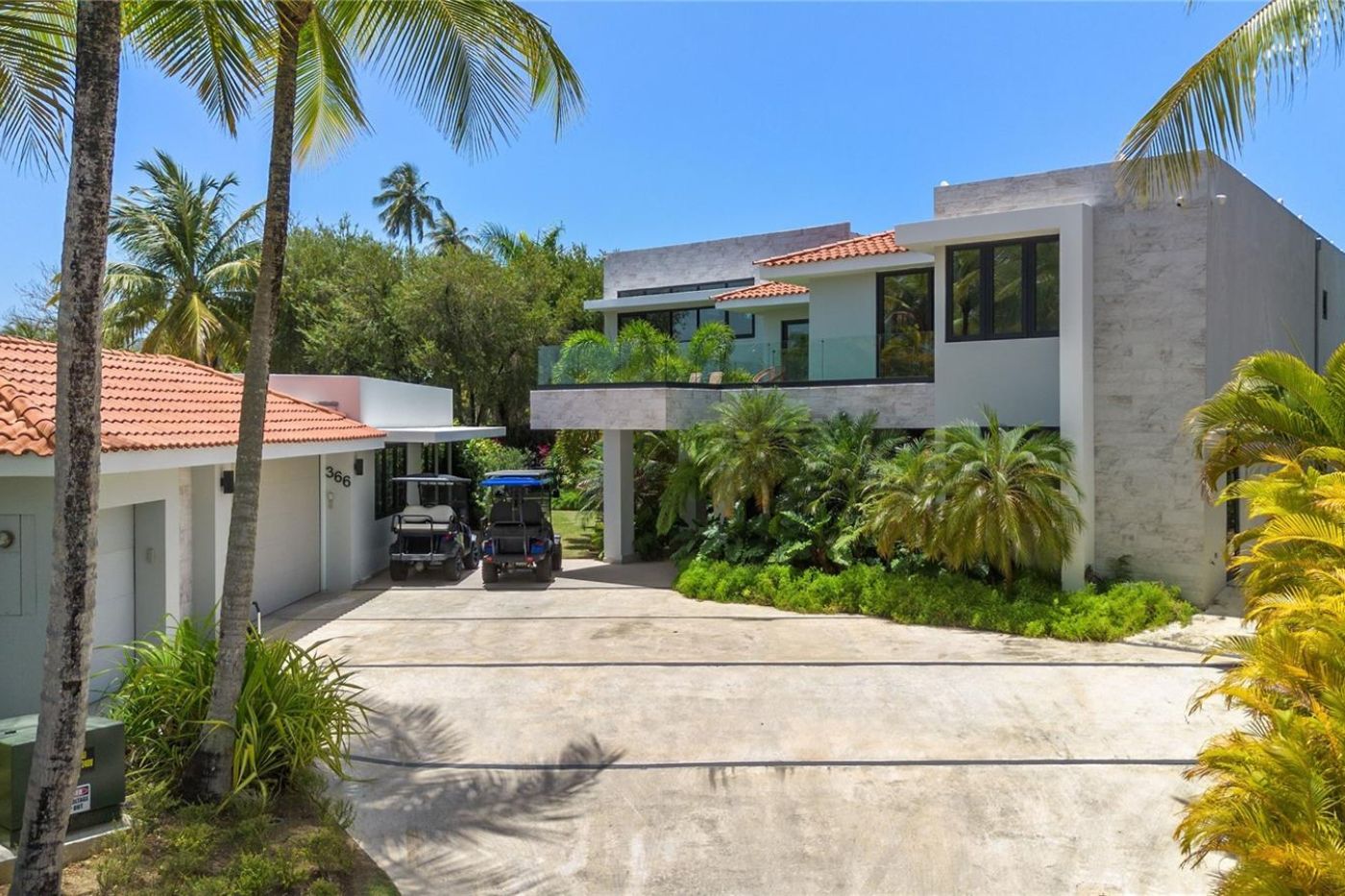
366 Dorado Beach East, Dorado
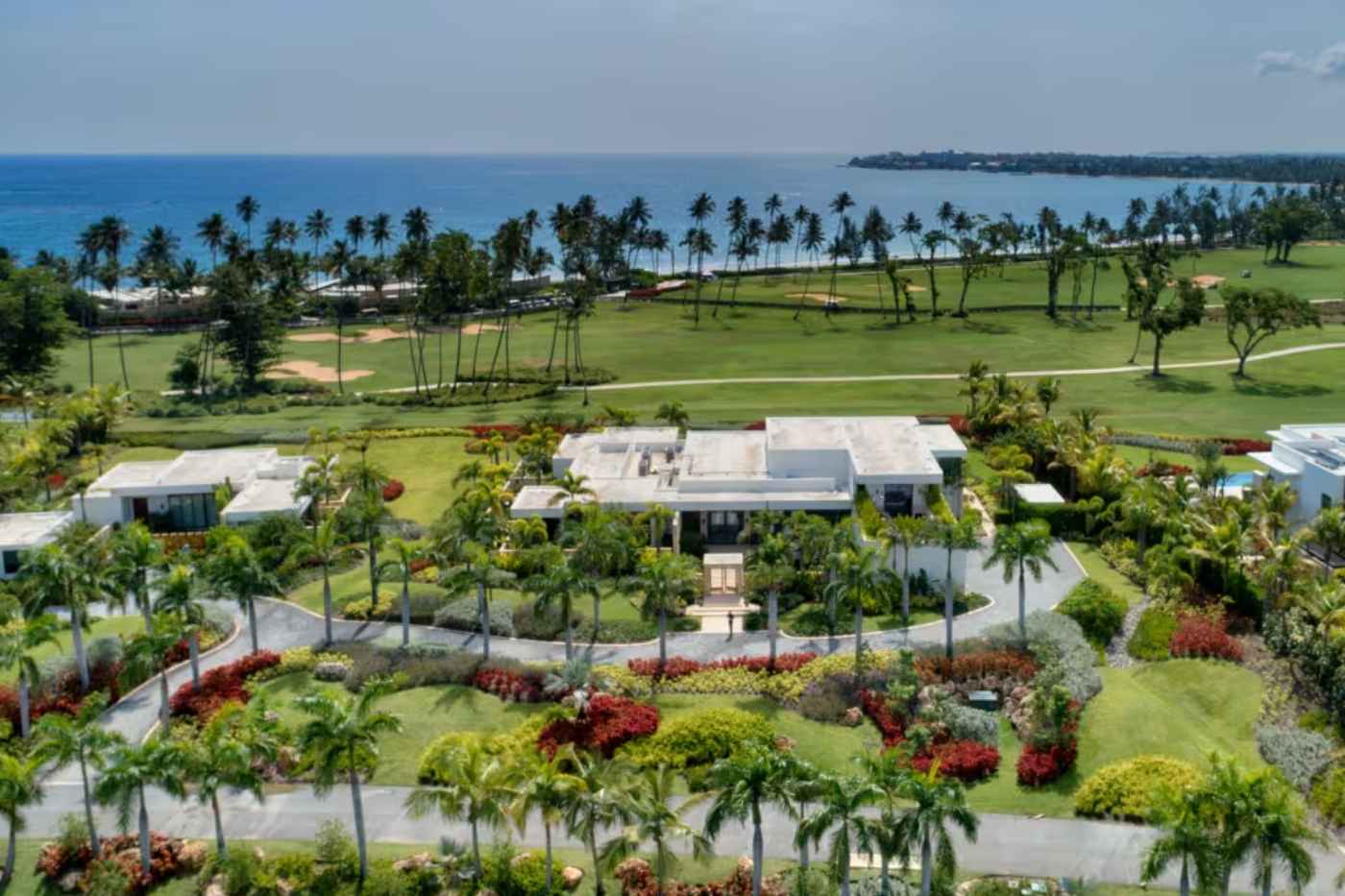
Set in one of Puerto Rico’s most prestigious communities, 366 Dorado Beach East showcases the island’s strength as a true Caribbean trophy market. With 9 bedrooms, 11 baths, 9,330 square feet, and a $12.8M asking price, it offers resort-level exclusivity with U.S.-market familiarity.
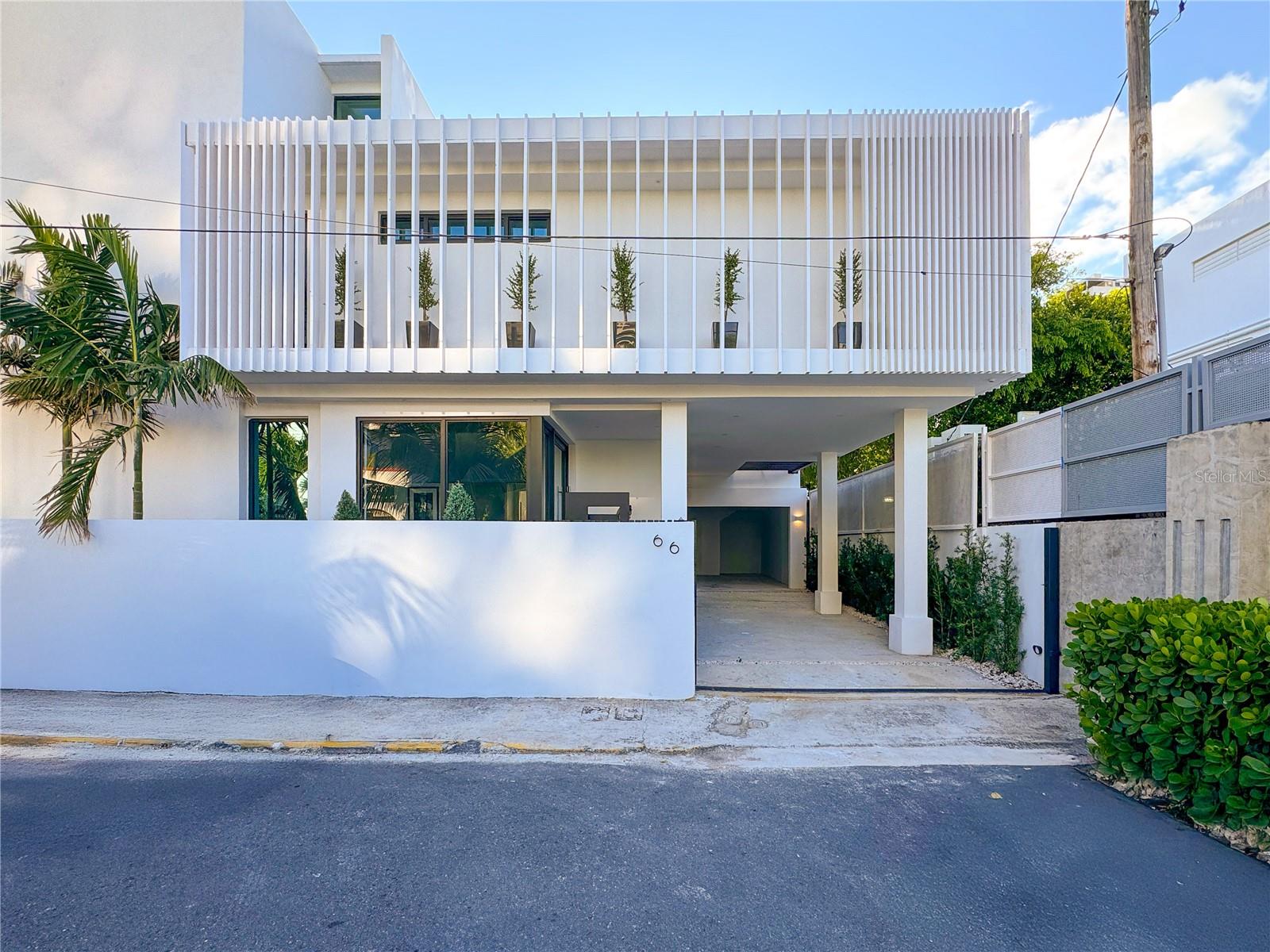
66 Placid Court, San Juan
66 Placid Court offers refined San Juan living with privacy, convenience, and access to the island’s strongest infrastructure. With 4 bedrooms, 7 baths, 3,827 square feet, and a $3.7M asking price, it reflects Puerto Rico’s appeal for luxury buyers who value both lifestyle and practicality.
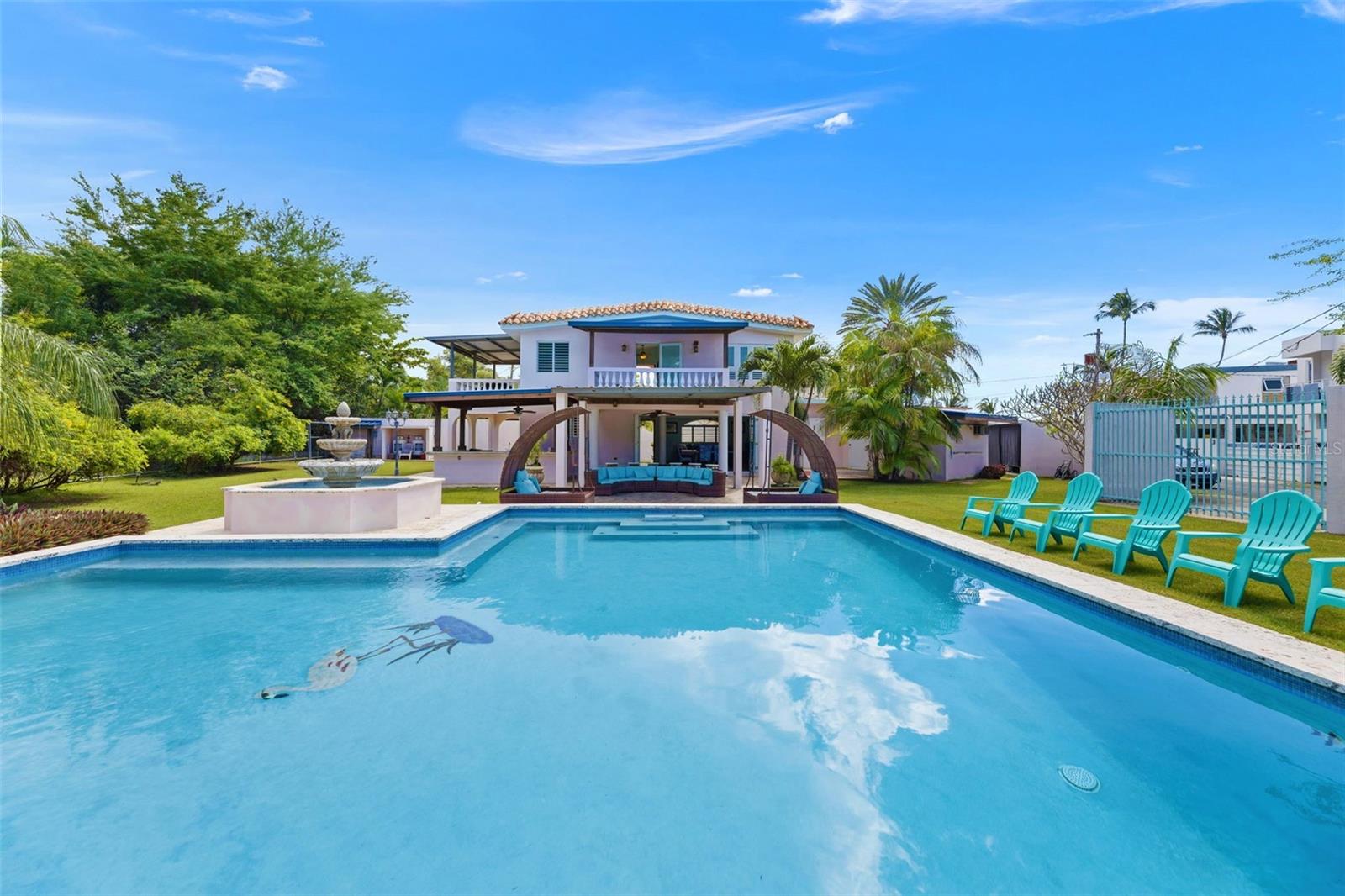
23 Casa Canal, Rincón
23 Casa Canal captures the relaxed west coast lifestyle that makes Rincón one of Puerto Rico’s most desirable coastal markets. With 3 bedrooms, 5 baths, 2,200 square feet, and a $2.385M asking price, it offers boutique Caribbean living with strong ownership confidence.
.jpeg)
425 Sol St #Penthouse, San Juan
425 Sol St #Penthouse brings rare Old San Juan penthouse living into the luxury conversation. With 3 bedrooms, 3 baths, 2,110 square feet, and a $3.98M asking price, it blends historic charm, urban convenience, and Caribbean appeal.
Final Thoughts
Puerto Rico stands out from other Caribbean luxury markets because it combines U.S. legal protections, tax advantages, strong infrastructure, and deep luxury inventory. While Barbados, the Bahamas, and the Dominican Republic each appeal to certain buyer profiles, Puerto Rico offers a stronger overall case for U.S.-connected investors. For buyers seeking long-term value, lifestyle quality, and transaction confidence, Puerto Rico remains one of the region’s most compelling luxury real estate markets.
Looking to buy, sell, or rent luxury property in Puerto Rico? Christie's International Real Estate Puerto Rico helps discerning clients access premier homes, investment properties, and off-market opportunities across the island. Connect with our team today to explore Puerto Rico luxury properties that match your lifestyle, investment goals, and Caribbean market strategy.
FAQs
Do I need a U.S. bank account or a local entity to buy property in Puerto Rico?
No local entity is required for most purchases. Many buyers close in their personal name (or a trust/LLC for planning purposes), and funds are typically wired through escrow/title. A U.S. bank account is helpful for wiring, utilities, and ongoing expenses, but not always mandatory.
What due diligence should luxury buyers prioritize beyond the standard inspection?
Confirm survey boundaries and coastal setbacks, review HOA/condo financials and rules (rentals, pets, renovations), verify permits and certificate of occupancy, and assess resilience items like flood zone, windstorm coverage, backup power, and water systems—especially for oceanfront homes. Read more in this housing market analysis.
How liquid is the Puerto Rico luxury market if I need to resell?
Liquidity varies by submarket and price band. Turnover is generally strongest in established luxury nodes (e.g., Dorado and prime San Juan areas) and for homes with modern finishes, reliable utilities, and clear comparables; unique trophy properties typically require longer marketing timelines and pricing discipline.




.png)


